Question 1 of 9
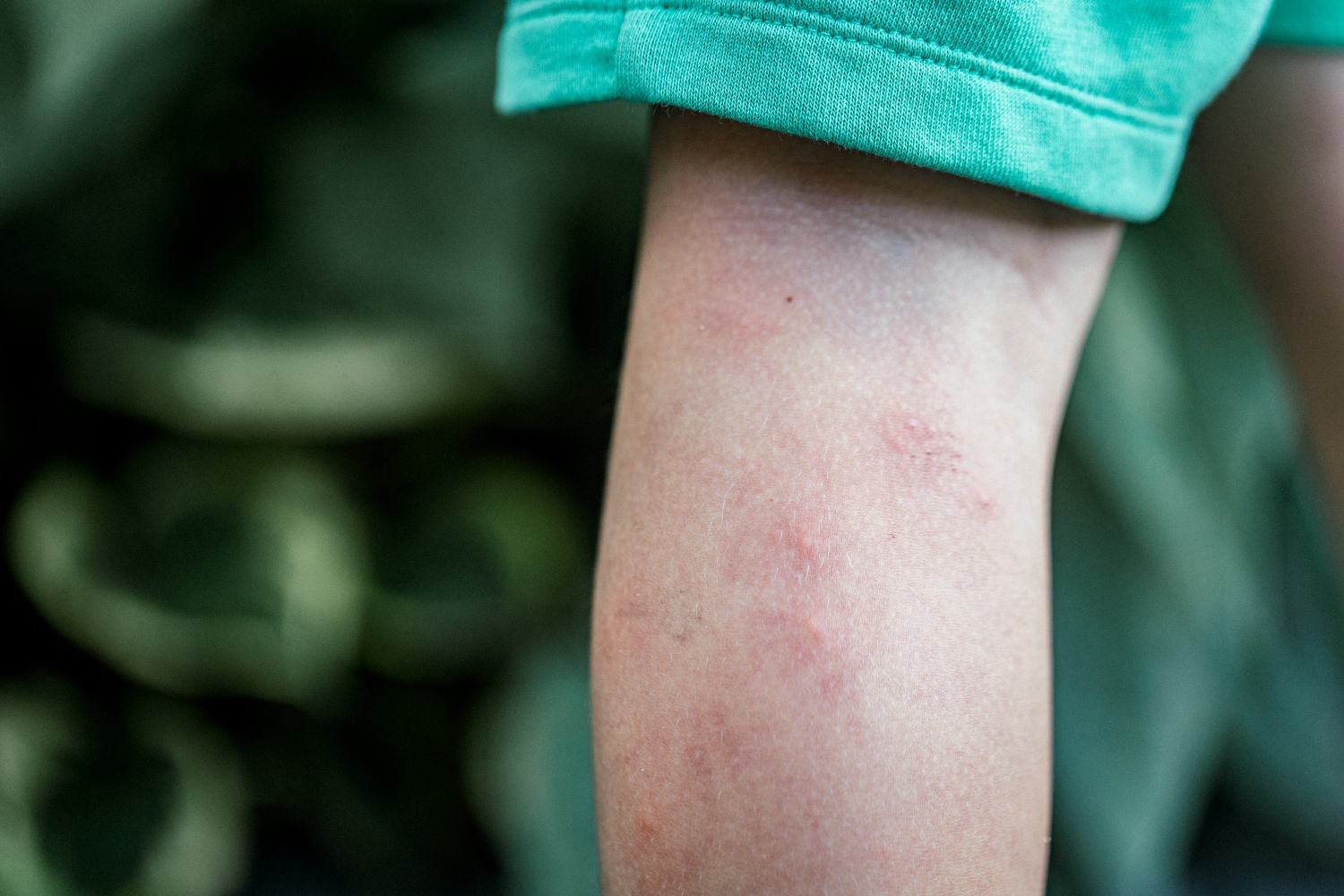
Regardless of what color you’re wearing, exposed skin is still inviting to mosquitoes.
-
Red and orange
It’s best to avoid wearing red and orange. To mosquitoes, those colors resemble human skin, according to a 2022 study. On the other hand, mosquitoes tend to ignore white, blue, green and purple. So you might opt for clothing in those colors on your next outing.
- Rainbow iridescent
- White and purple
- Blue and green
Question 2 of 9
Scents are important to mosquitoes. To find you, they home in on the carbon dioxide you exhale and chemicals like ammonia and lactic acid from your sweat. Which of the following foods might make your body odor MORE attractive to mosquitoes?
- Macaroni salad and fruit punch
- Green grapes and water
-
Bananas and beer
Researchers have found that your body odor after drinking beer and eating bananas is a lot more attractive to little suckers. On the other hand, the studies found that water and green grapes didn’t produce a body odor that attracted mosquitoes.
- Cronuts and matcha tea
Question 3 of 9
True or false: Mosquitoes can bite through fabric.
-
True
Some species can bite through thin, tight-fitting athletic clothes, says Brian Byrd, a professor of environmental health sciences at Western Carolina University. So opt for loose-fitting clothes, and cover your skin as much as possible. “That’s a tough ask in the middle of summer, but it can add some level of protection against the bites.”
- False
Question 4 of 9
True or false: Mosquitoes tend to bite more at dawn and dusk.
-
True
True. While mosquito activity will vary by species and location, mosquitoes are generally most active around sunrise and sunset, possibly because light and temperature conditions are most ideal then. However, a recent study showed the global increase in artificial light at night has caused a large increase in biting in certain mosquito populations. Ouch!
- False
Question 5 of 9

How much standing water is too much?
-
Less than a coffee cup of water
“Even a small coffee cup that’s a third of the way full of water can produce a lot of mosquitoes,” Byrd says. Reduce the population of mosquitoes in your backyard by draining standing water in containers like birdbaths, buckets and planters once a week.
- A bucketful of water
- At least 4 gallons of water
- A kiddie-pool amount of water
Question 6 of 9
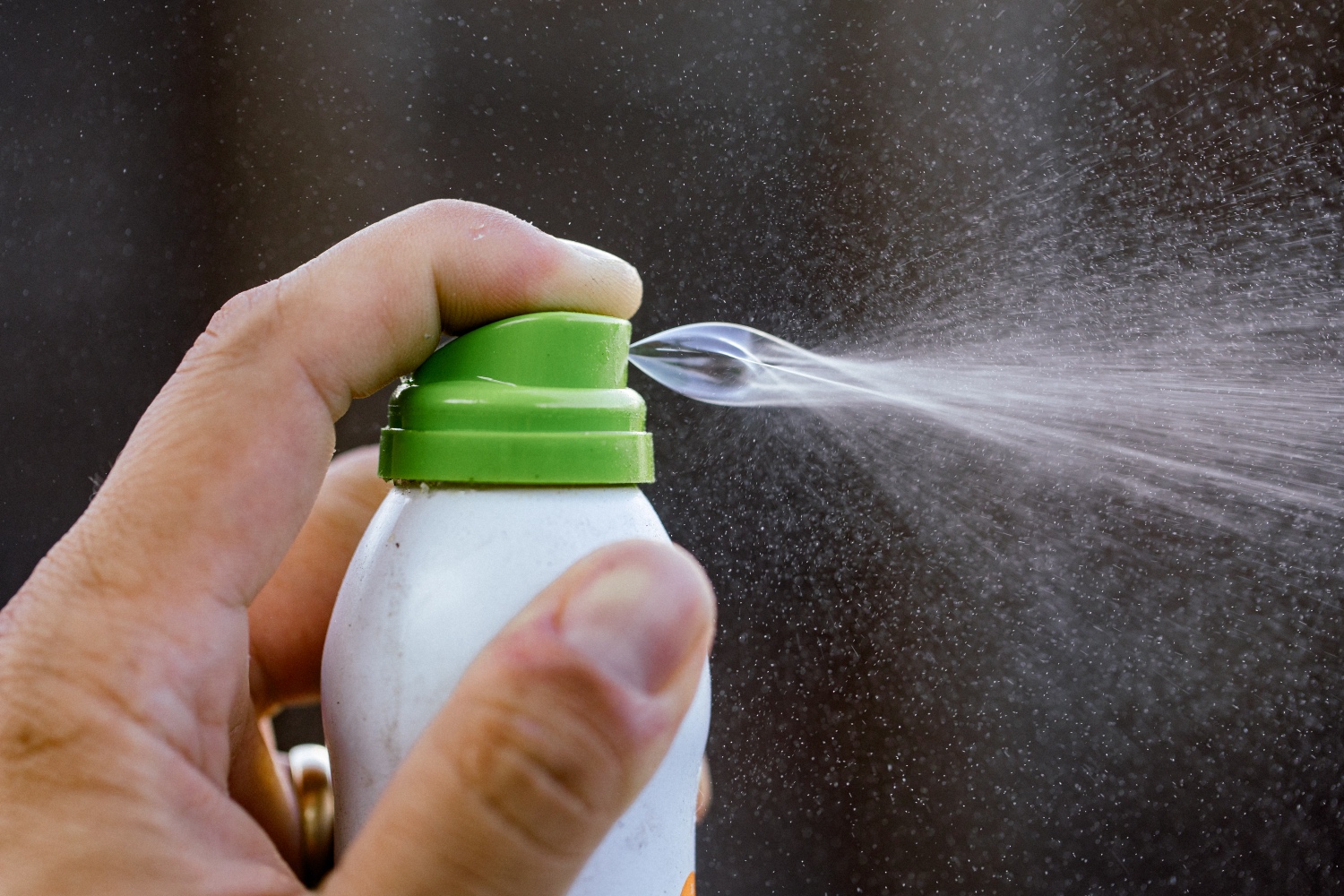
How much do you know about how mosquito repellent works?
- It melts mosquitoes on contact.
-
It masks your body odor, which mosquitoes use to find humans, and produces a yucky taste on your skin that mosquitoes don’t like.
In general, bug sprays “basically camouflage your chemical scent so you don’t actually smell like a human” to mosquitoes, says Sammy Ramsey, an entomology professor the University of Colorado, Boulder. “And if they can’t smell you, they can’t locate you.” Mosquitoes are also repelled by DEET on contact, either with their mouthparts or their feet.
- The smell of the repellent is unpleasant for mosquitoes to be around.
- It induces pheromonal esters that block the mosquito’s smell receptors.
Question 7 of 9
What’s the best way to apply mosquito repellent?
- Spritz a little here and there like it’s cologne. Then rub it in.
- Spray it only on exposed areas of your body.
-
Spray repellent in a sweeping motion across your whole body, including on clothes and skin.
The goal is to apply enough repellent to mask your body odor, Ramsey says. By spraying it in a sweeping motion across your body, you ensure that “the chemical is landing in well-distributed amounts instead of piling up in one area.”
- Focus on spraying the parts of your body that mosquitoes tend to be drawn to, like your feet and ankles.
Question 8 of 9
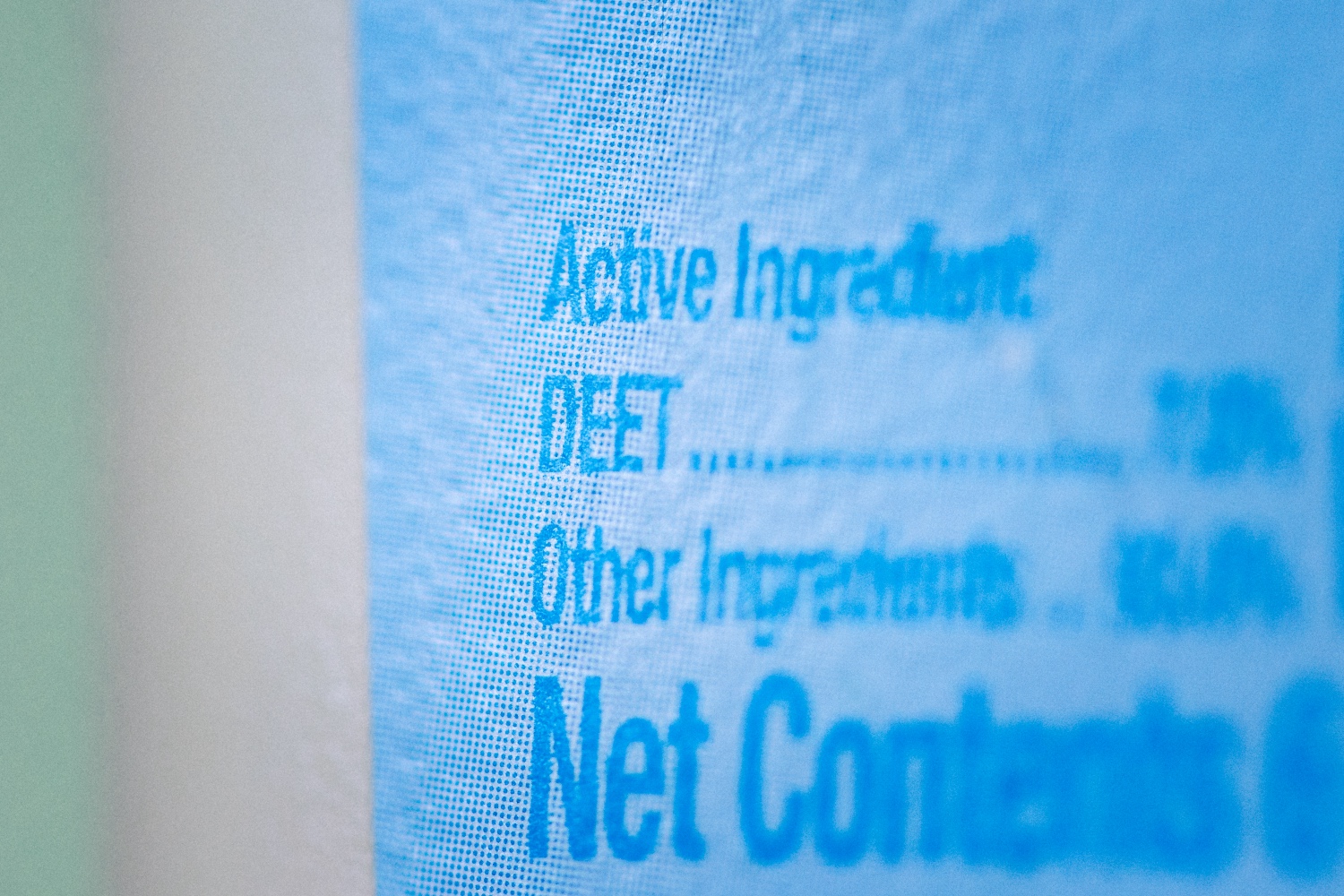
To DEET or not to DEET?
- True
-
False
DEET, shorthand for N,N-diethyl-meta-toluamide, has been deemed safe for humans and the environment by the Environmental Protection Agency. DEET is, however, often confused with DDT, an insecticide that was banned from use in the U.S. in the 1970s.
Question 9 of 9
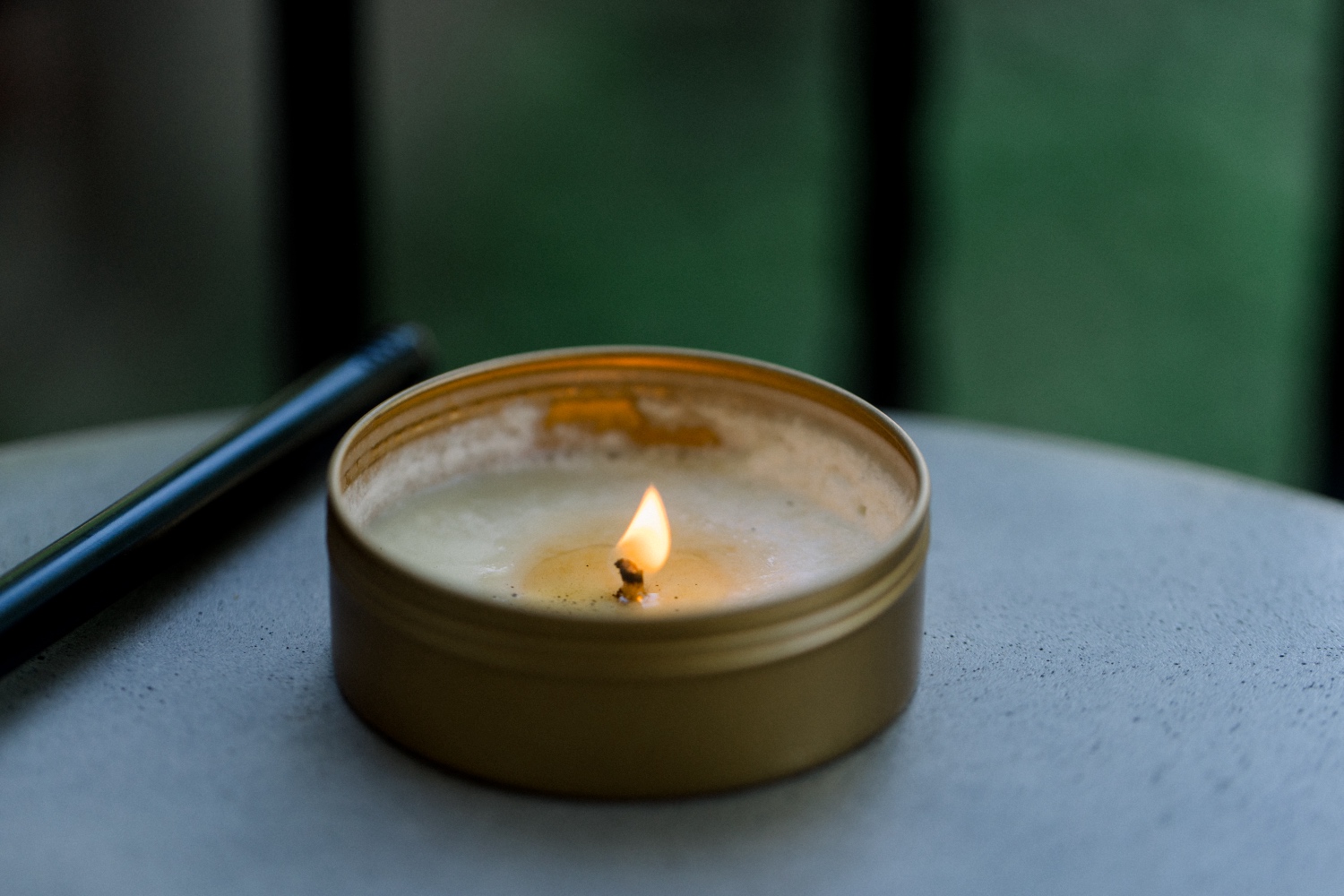
Citronella candles have long been marketed as mosquito-repelling products, but research doesn’t really back up their ability to do so. What about these other products?
- Lemongrass-scented stick-on patches
- A citronella candle
- Sonic mosquito-repeller devices
-
None of these
None of these products uses ingredients that have strong data showing they protect against mosquitoes, Byrd says.
Opt for products that contain DEET, picaridin, oil of lemon eucalyptus and the synthetic repellent IR3535 (ethyl butylacetylaminopropionate). These have all been shown to be effective in warding off mosquitoes. Find the repellent that’s right for you with the Environmental Protection Agency’s search tool.
You've answered of 9 questions. Keep going!