Dirty nickel

The cost of mining in Indonesia

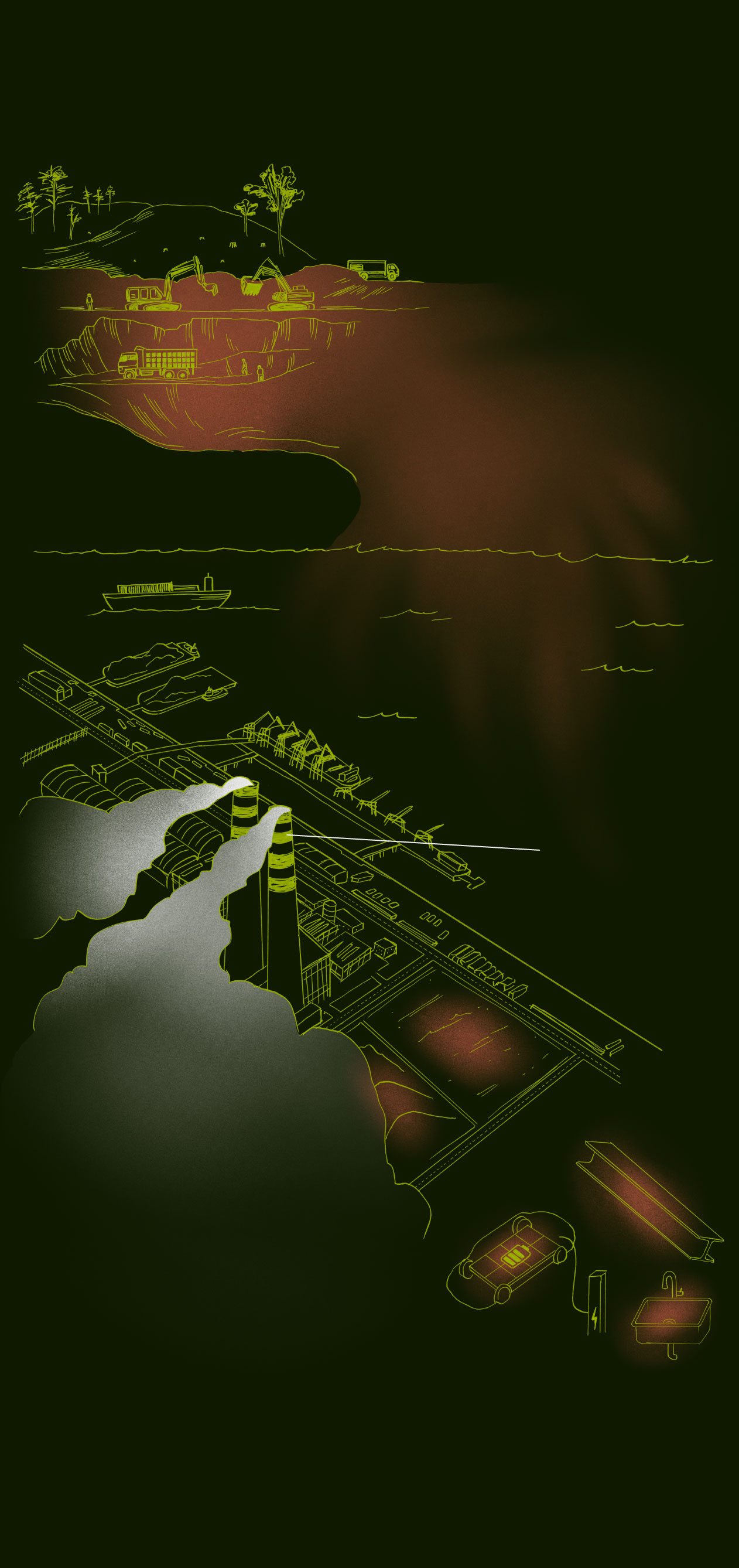
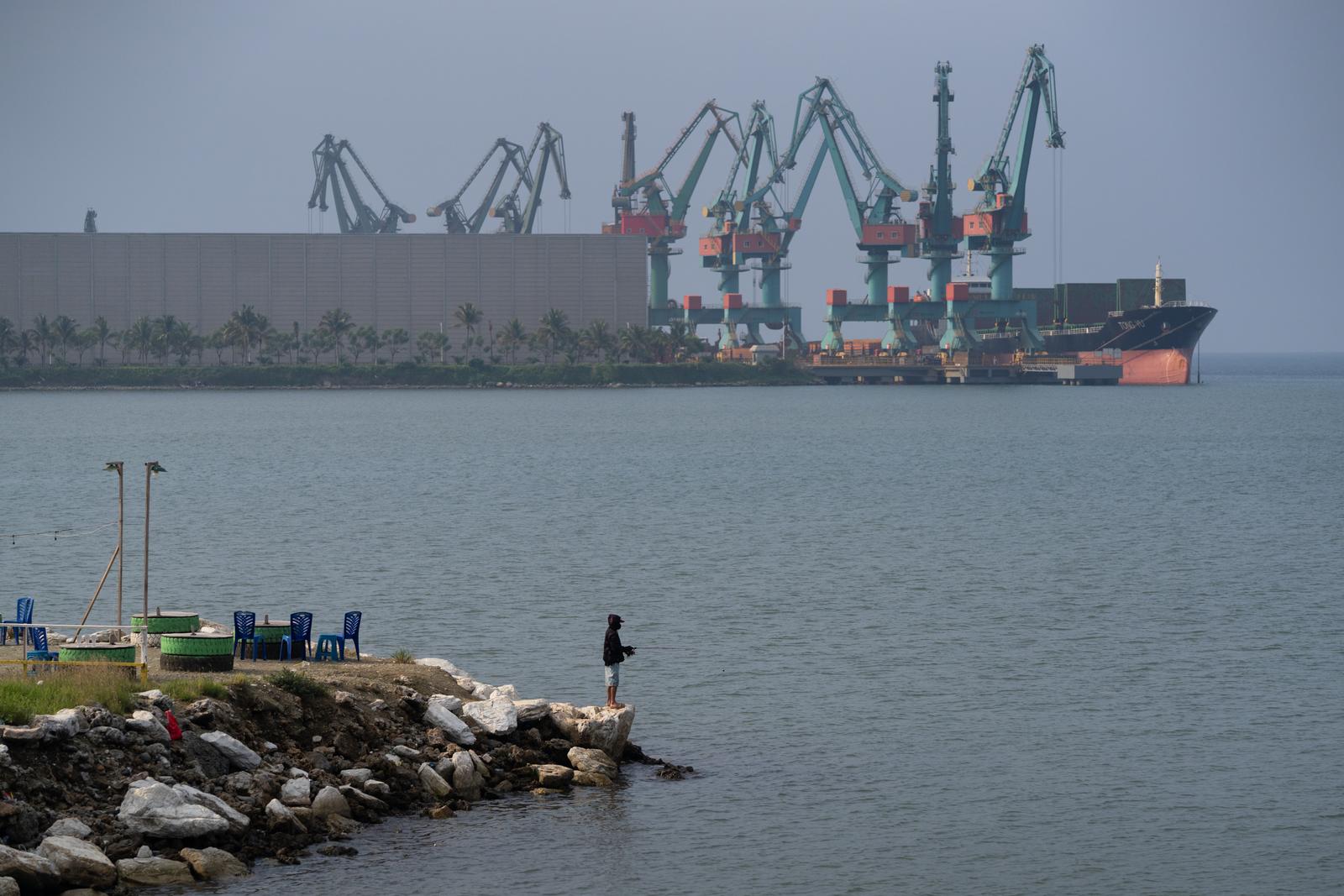
Over the past decade, Indonesia has rapidly grown its nickel industry and now produces more than half the world’s nickel supply. The majority of Indonesia’s nickel is currently used for stainless steel production, with the rest going to battery supply, like those in electric vehicles (EVs) and data centers.

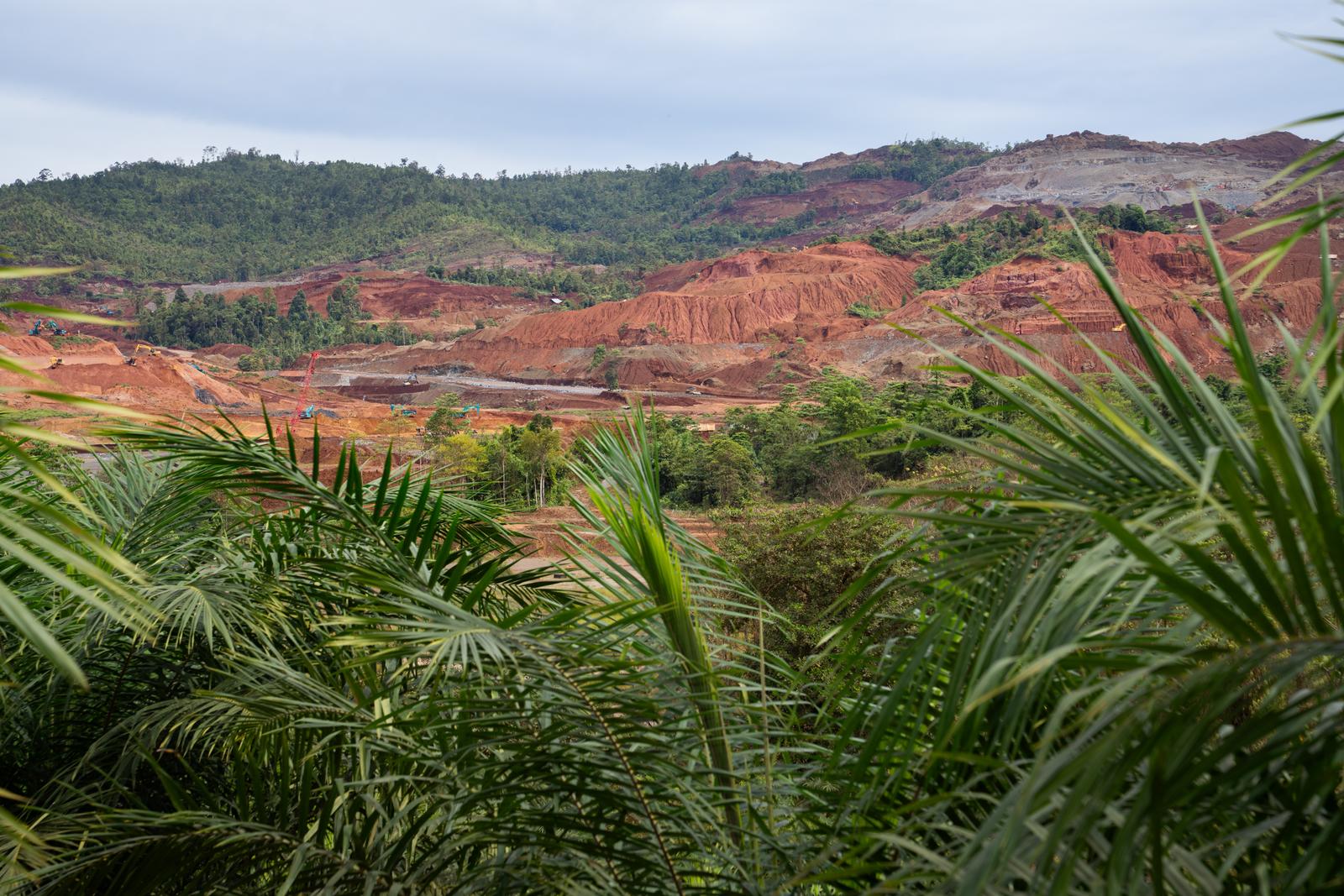
Indonesia’s government has big ambitions for the country to become a giant in the green-energy transition, but its nickel mining remains far from clean and has come at a cost to the environment and the livelihood of locals.
Indonesia’s nickel industry relies heavily on foreign investment, mainly from Chinese companies, which control a majority of the country’s refining capacity. The U.S., seeking to reduce reliance on China, has recently struck a trade deal securing access to Indonesian nickel.

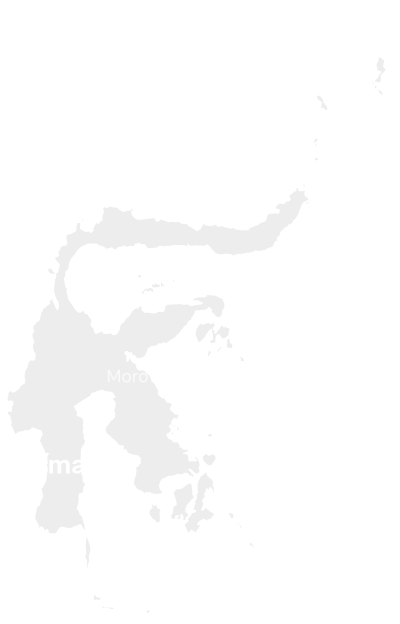
Most of the country’s nickel mining is concentrated on the island of Sulawesi, transforming once-small villages into hubs for mining and processing nickel.

The annual number of active nickel-mining licenses in Sulawesi has shot up from one license in 2005 to a peak of 408 in 2022, according to the most recently available government data.

The Indonesian government issues a license for each mining site. The slight drop in 2023 is due to increased government efforts to regulate the mining sector and manage oversupply.

Across six locations in Sulawesi, a team from NPR spoke with residents about how nickel mining is reshaping both the land and daily life.

In some communities, the industry has brought jobs, but also pollution; in others, the industry faces resistance.

We’ll start with two villages that have very different realities and end with one place where protests and a lawsuit forced a mine to close.

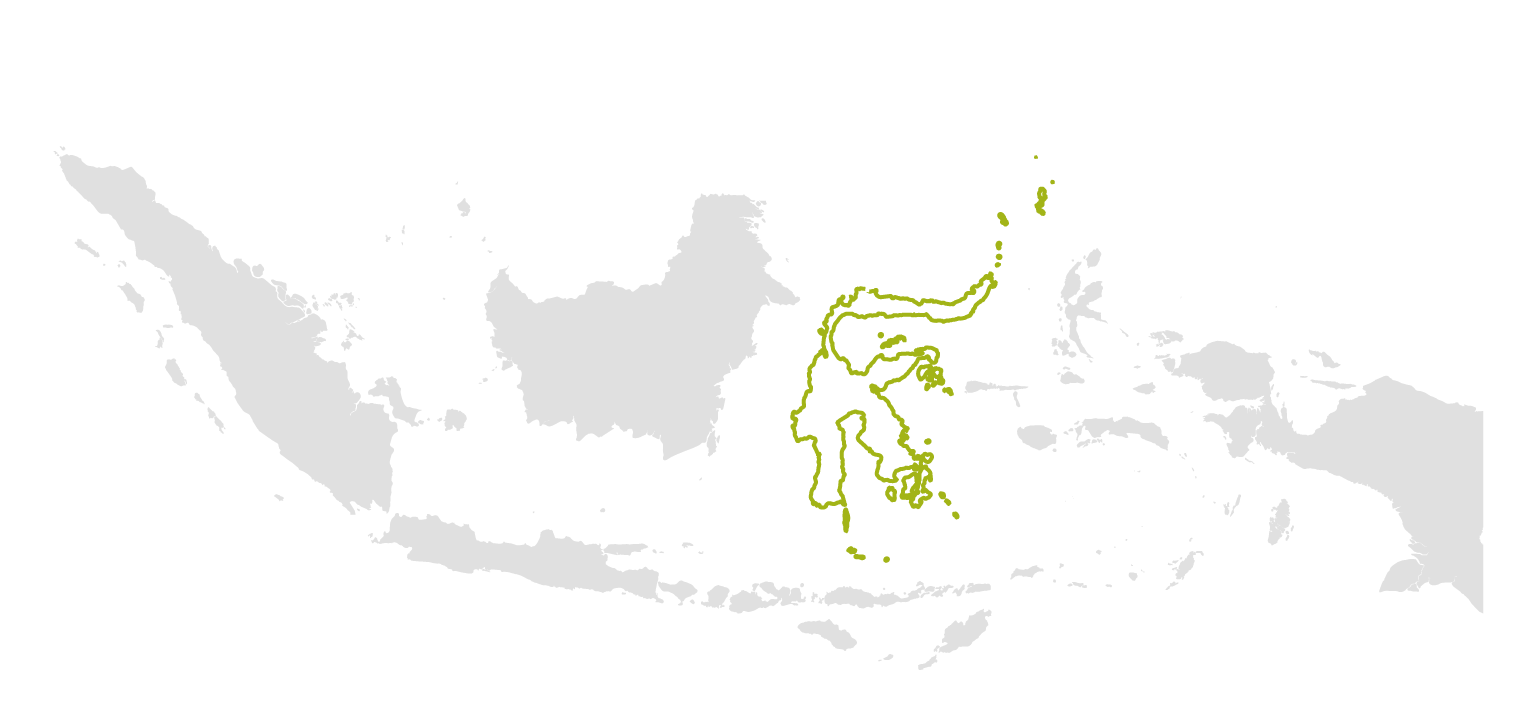
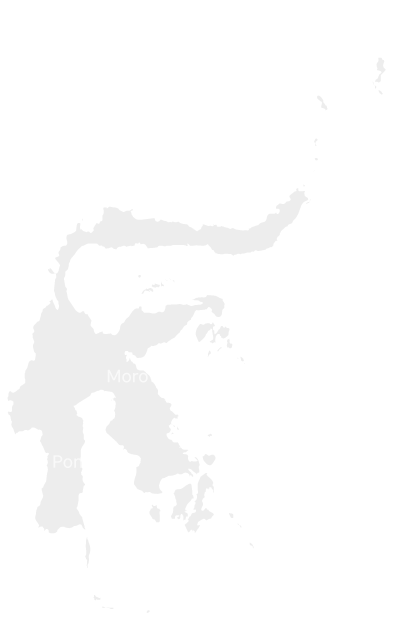
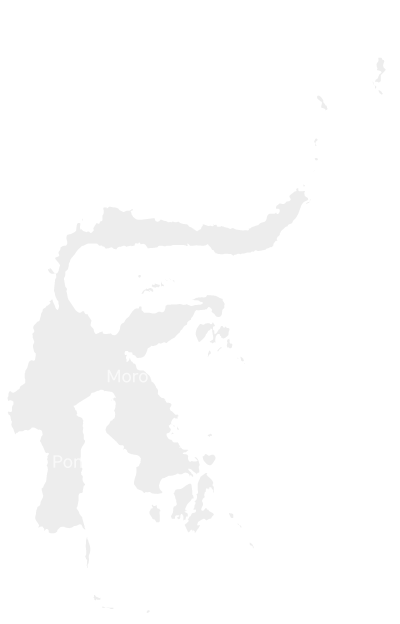
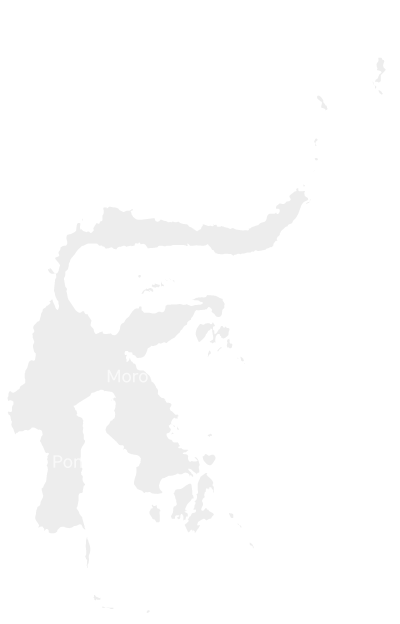
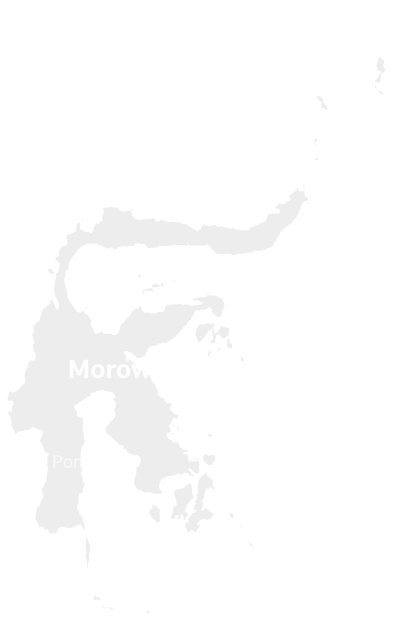
Map of where Labengki is located on Sulawesi.
An area still untouched by mining
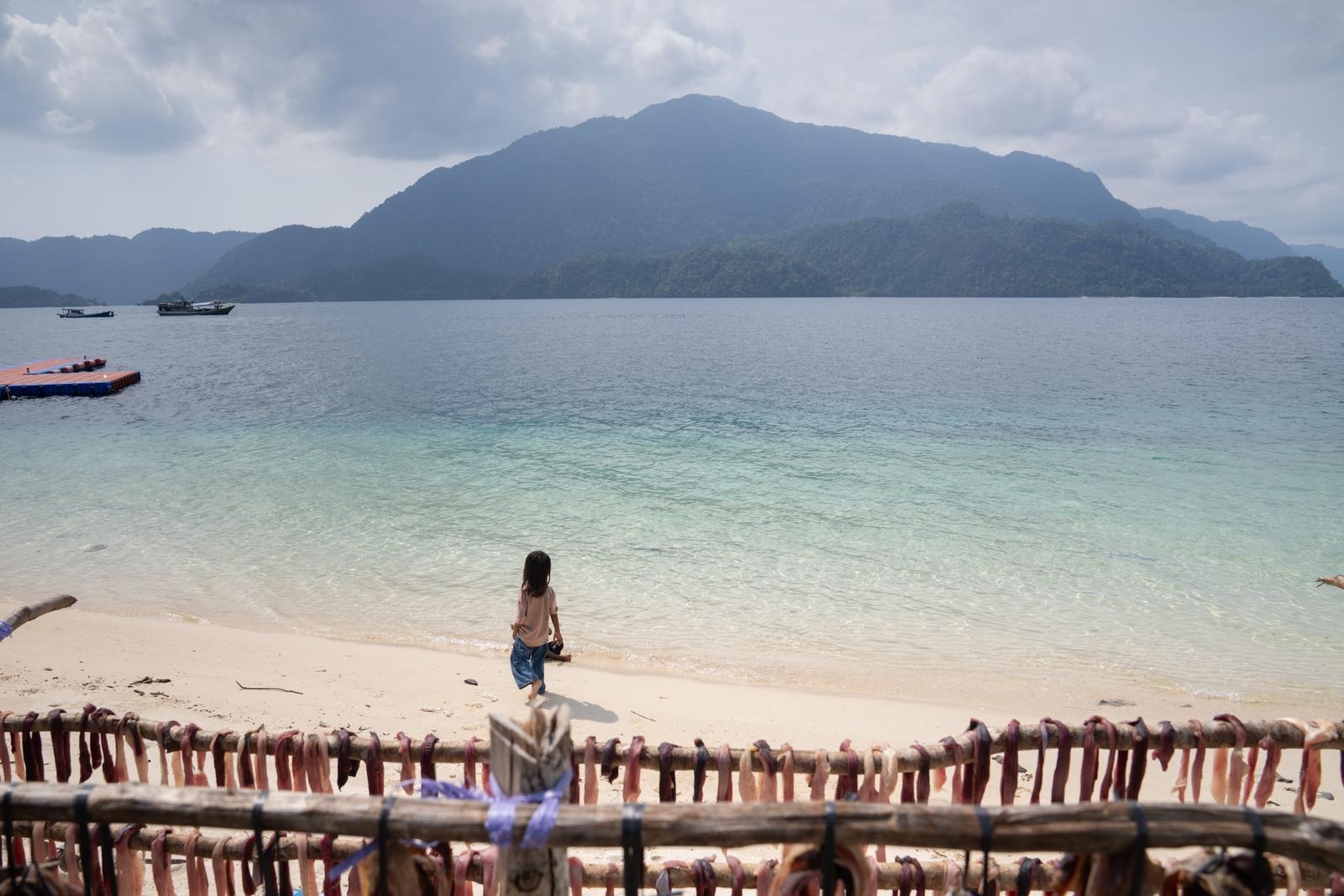
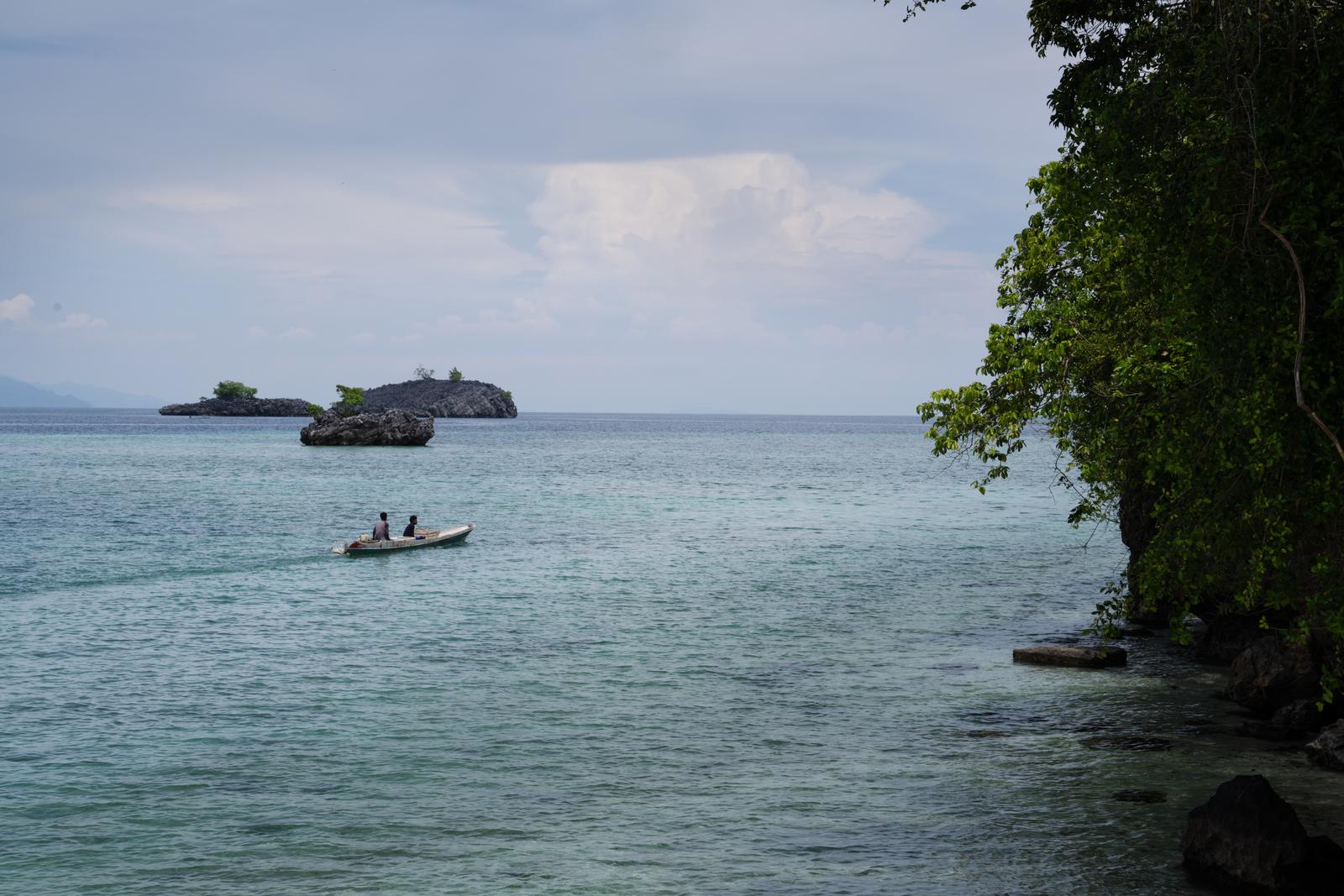
Labengki Island is an off-the-beaten-path tourist destination off the coast of Southeast Sulawesi.

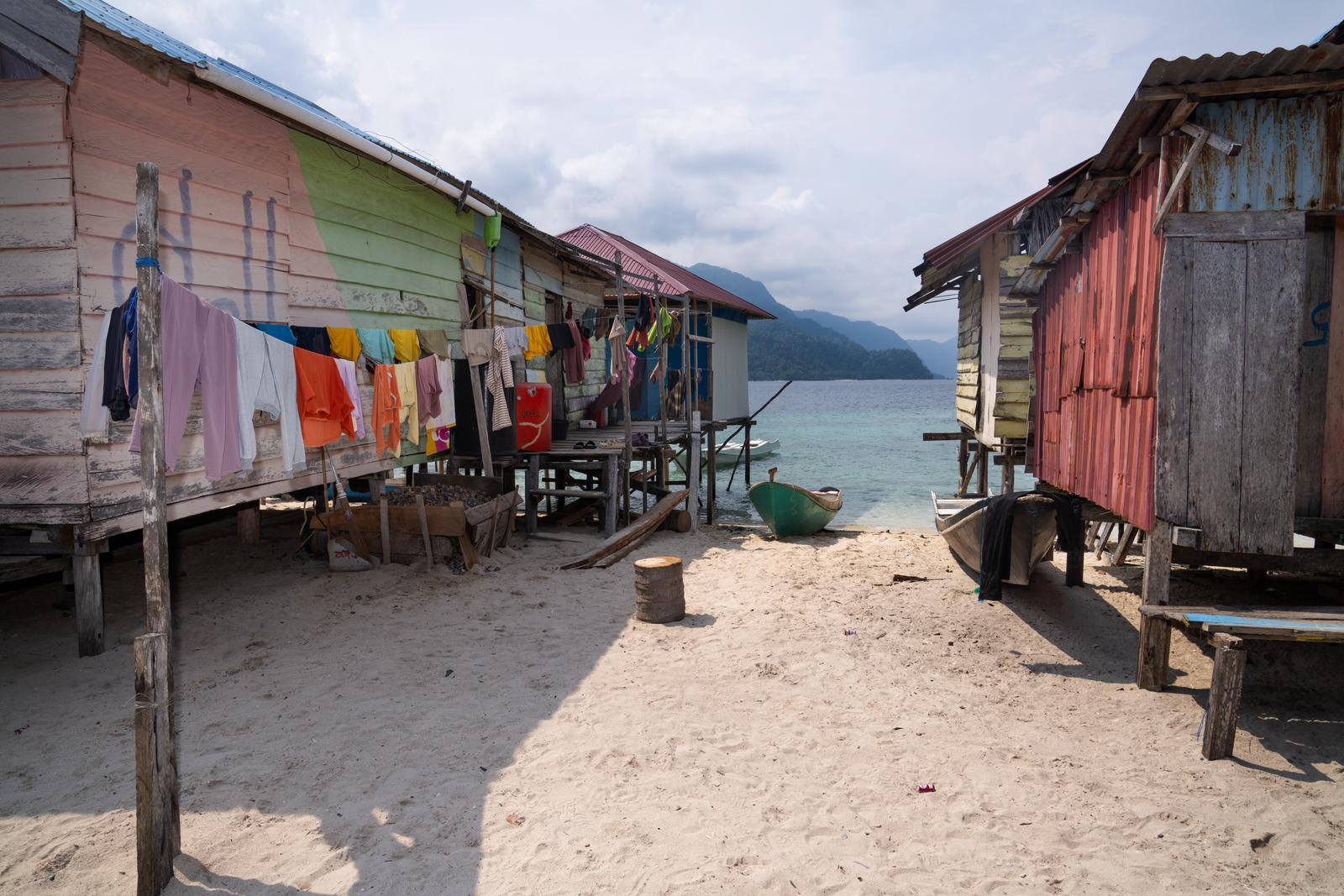
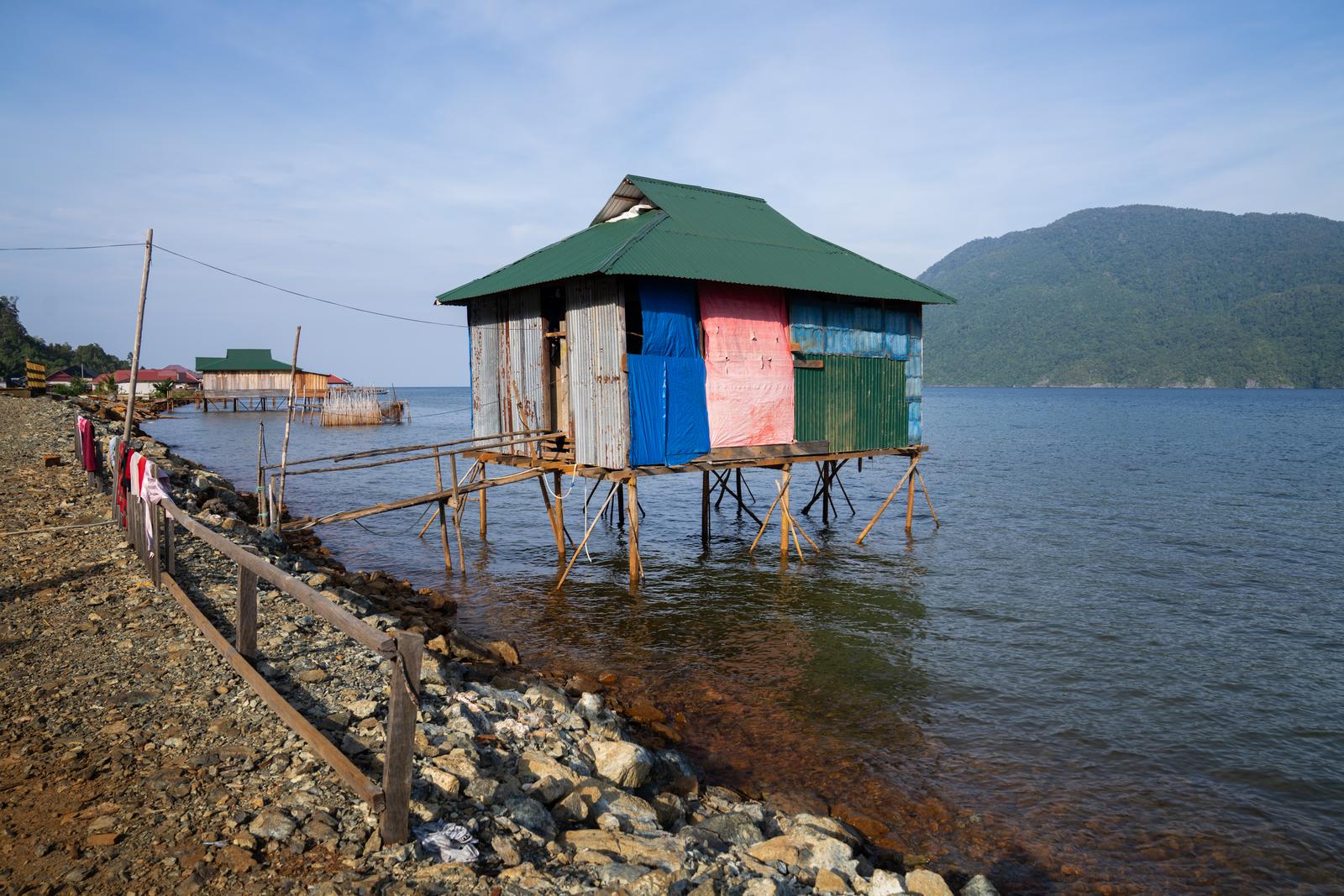
Around 500 people live in the only village on the small island. Many are Bajau, an Indigenous people in Indonesia historically known as nomadic sea fishermen, who have now settled in stilted houses above coastal waters.

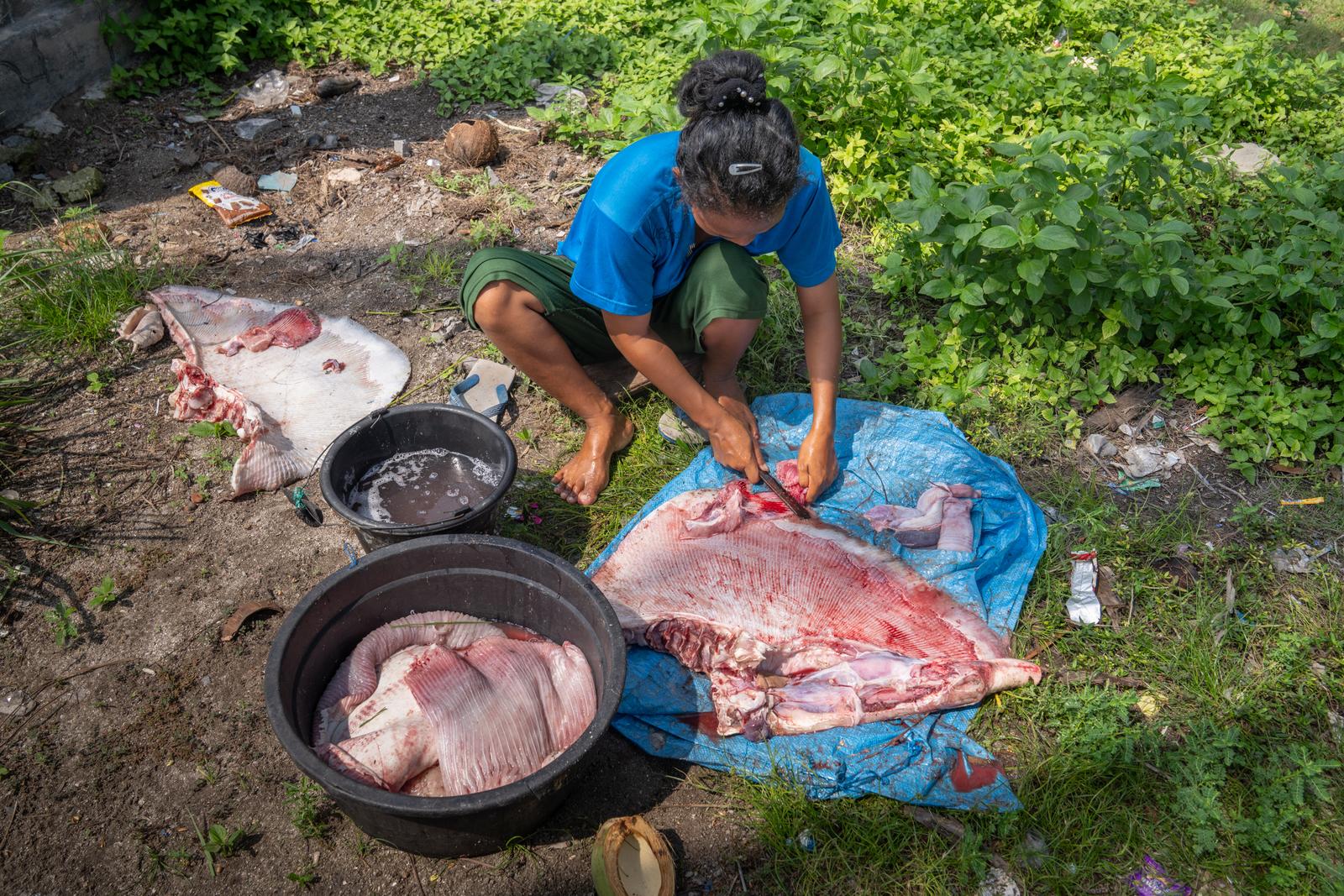
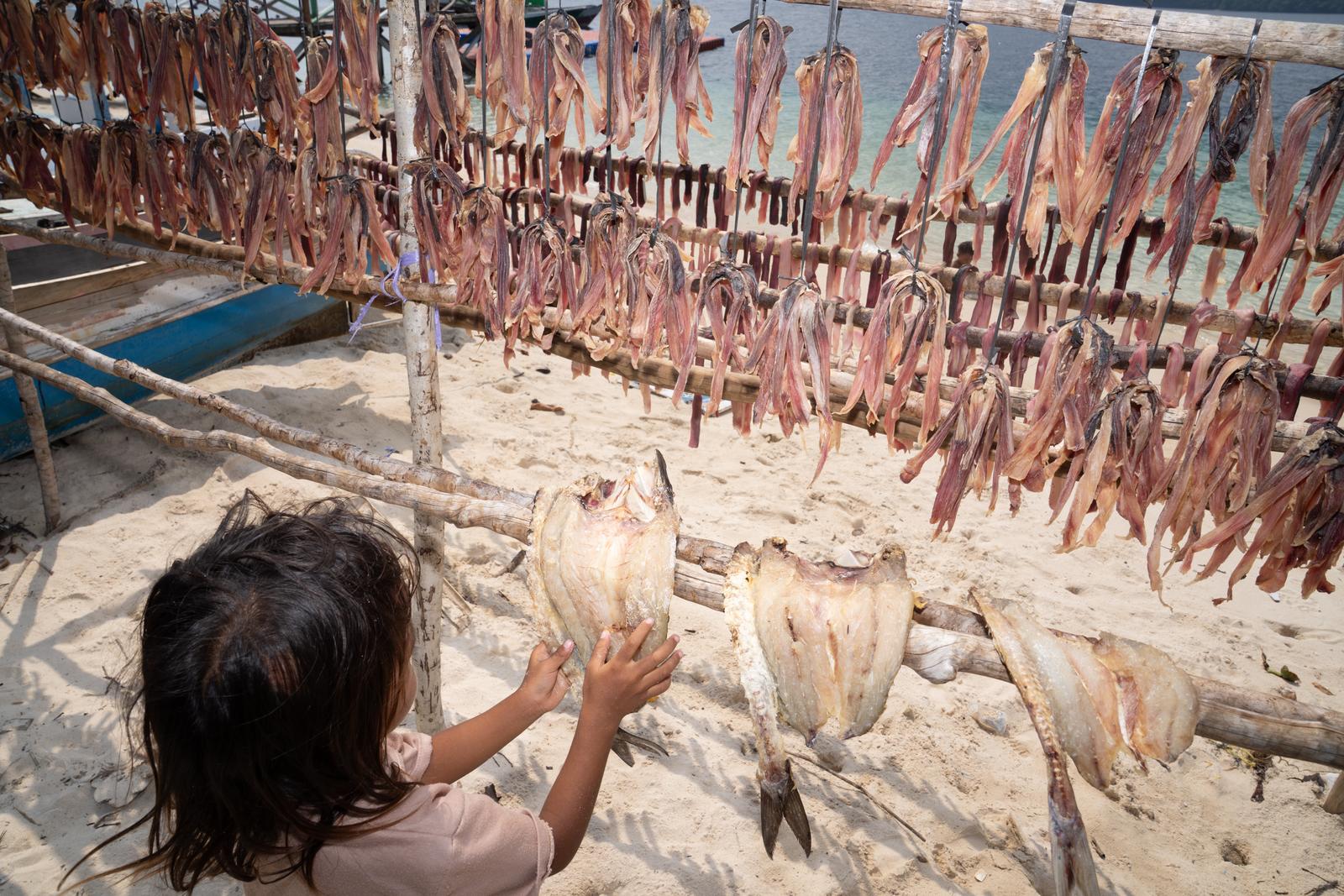
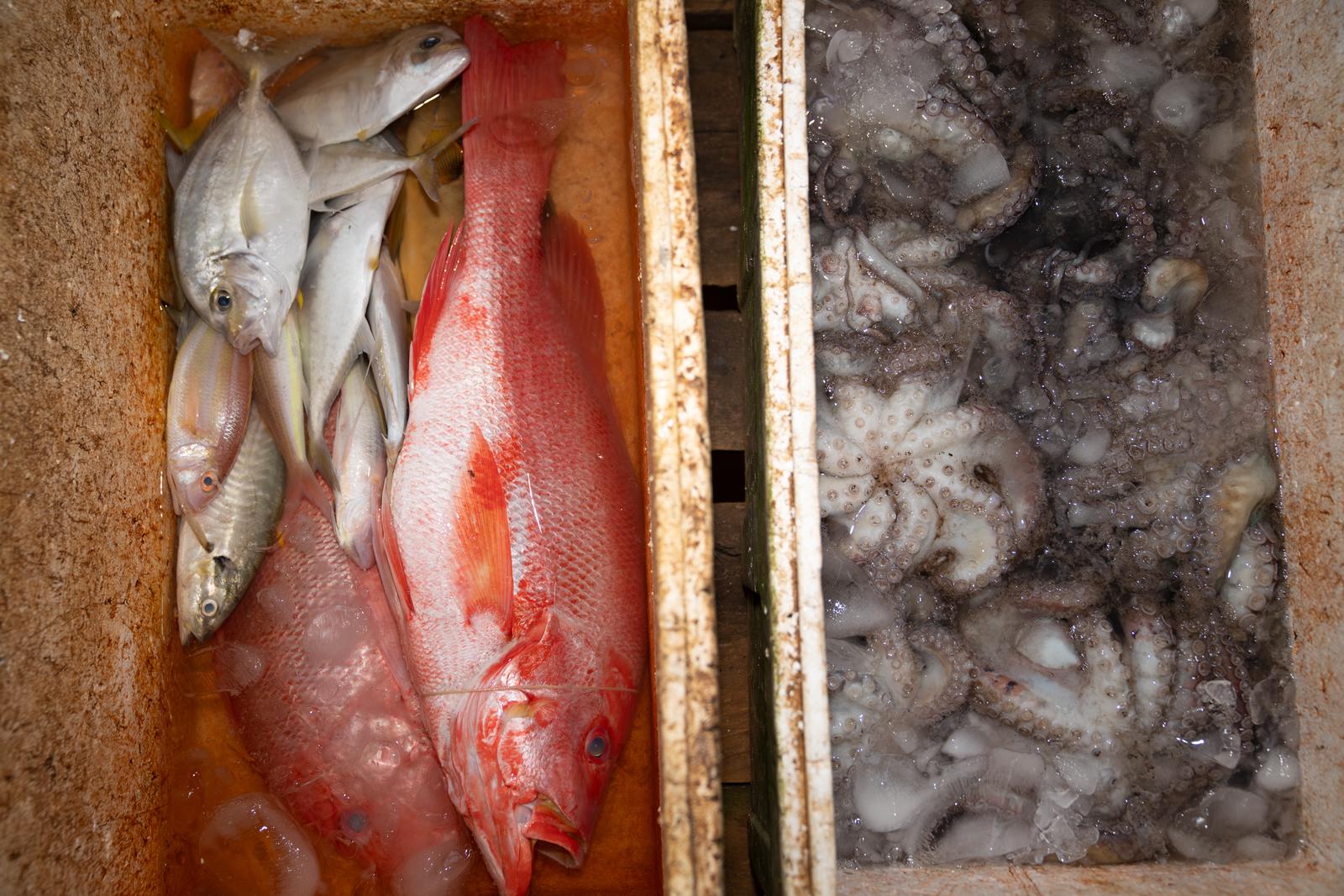
People here still live traditional lifestyles. They fish for their own food and, to make a living, catch sea life just off the shore.

Caption: A villager cuts strips of manta ray to dry in the sun and later sell.

The village is far enough from the mainland of Sulawesi that they haven’t seen the full effects of nickel mining.

Caption: Dried manta ray bakes in the sun.

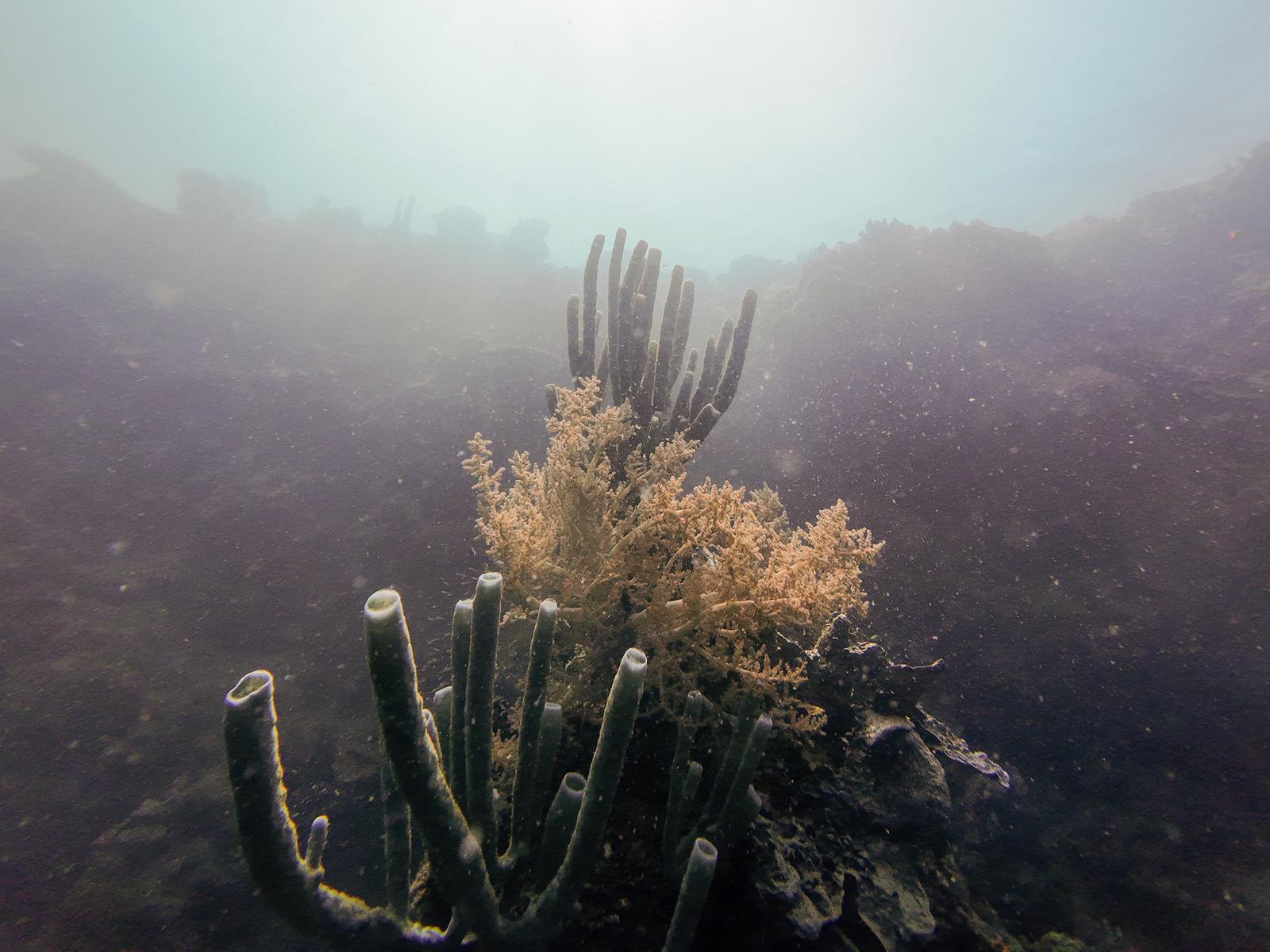
The waters near Labengki are still clear and rich with coral and marine life, but just an hour’s boat ride away, the effects of mining become apparent.

Adi Renaldi for NPR
Map of where Boenaga is located on Sulawesi.
A nearby village, a stark contrast
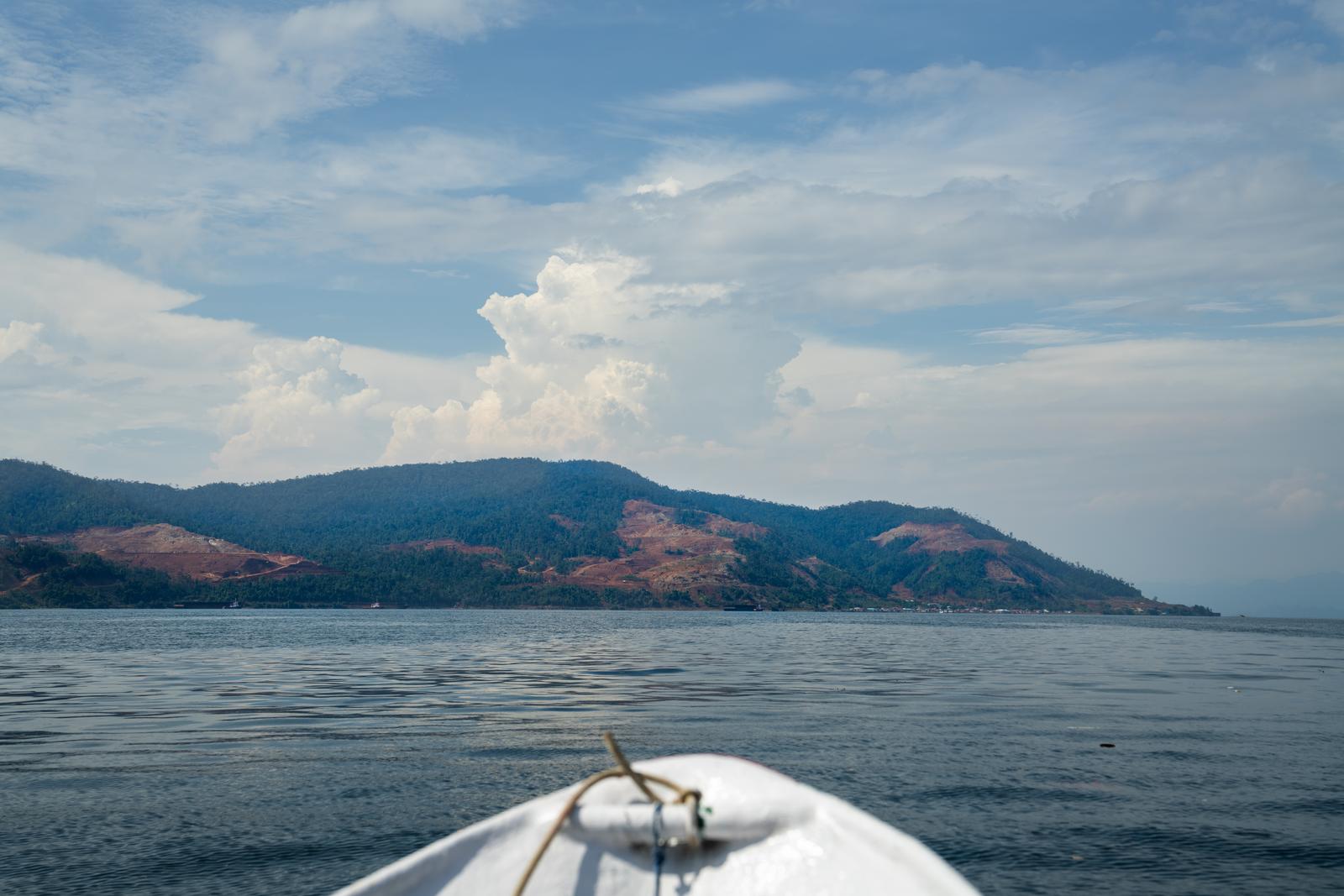
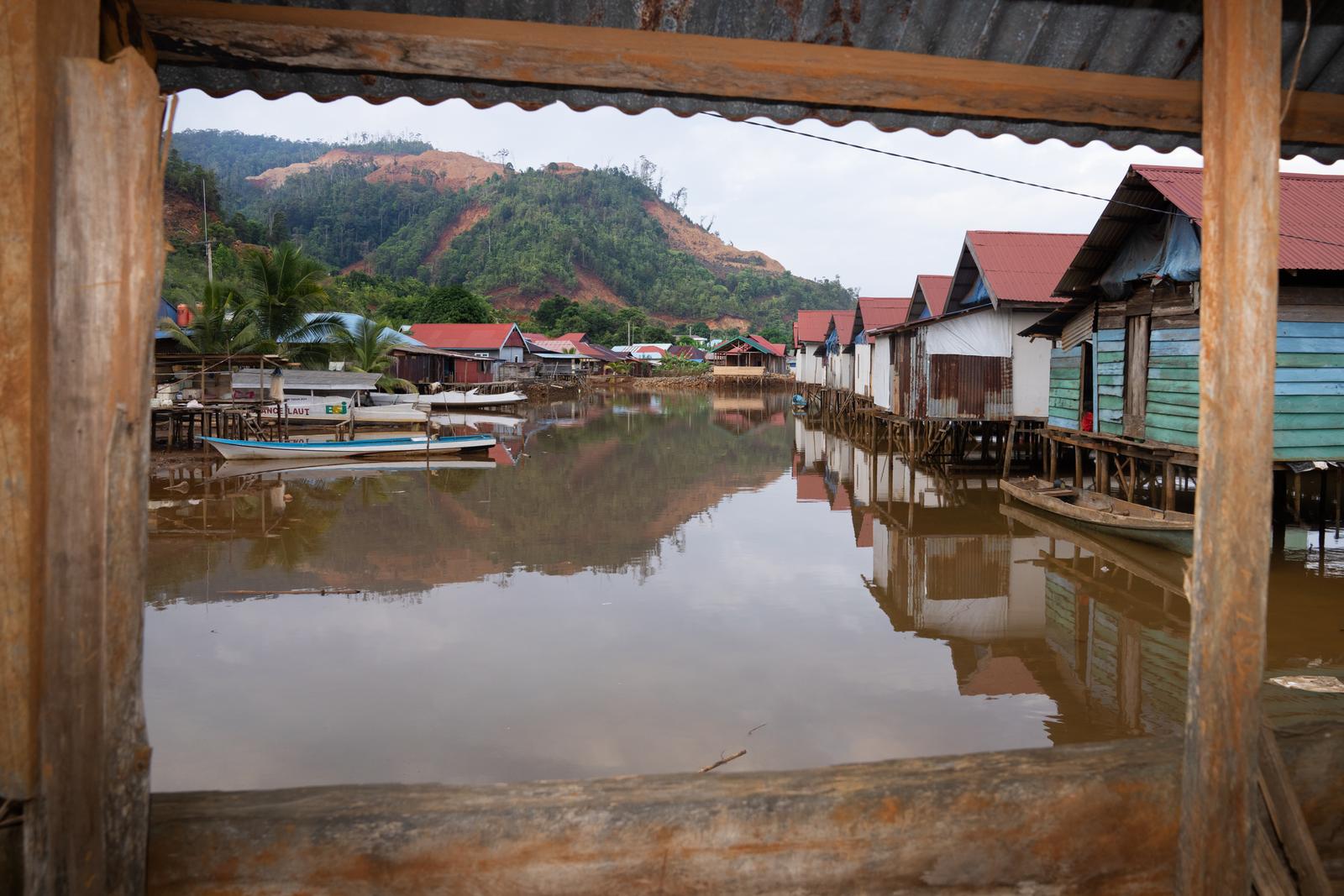
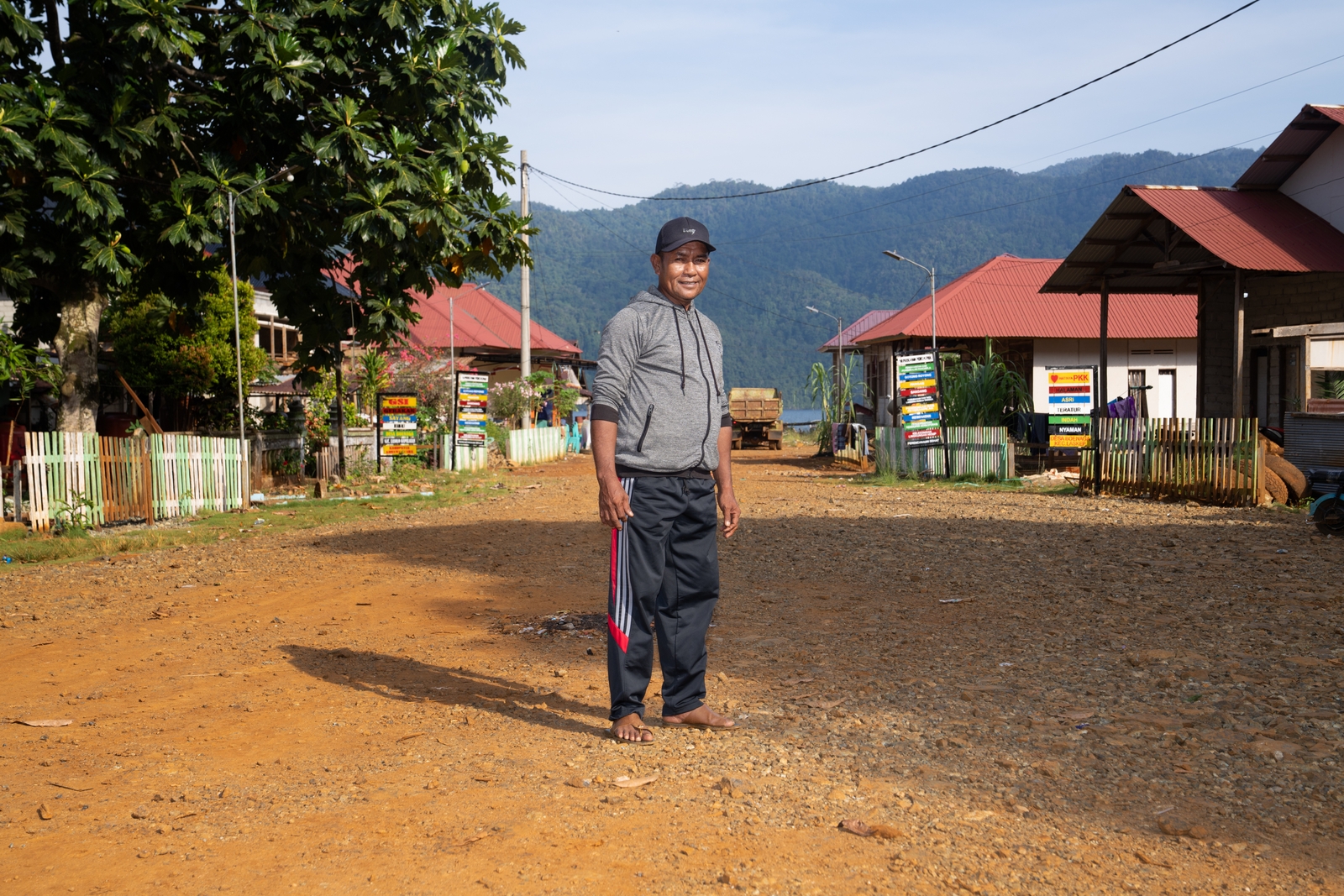
Boenaga, a similar-sized Bajau village, is closest to Labengki from the mainland. It’s surrounded by nickel mines, deforested hills and exposed red dirt.

Mining has taken over, and village officials say this has boosted the economy.

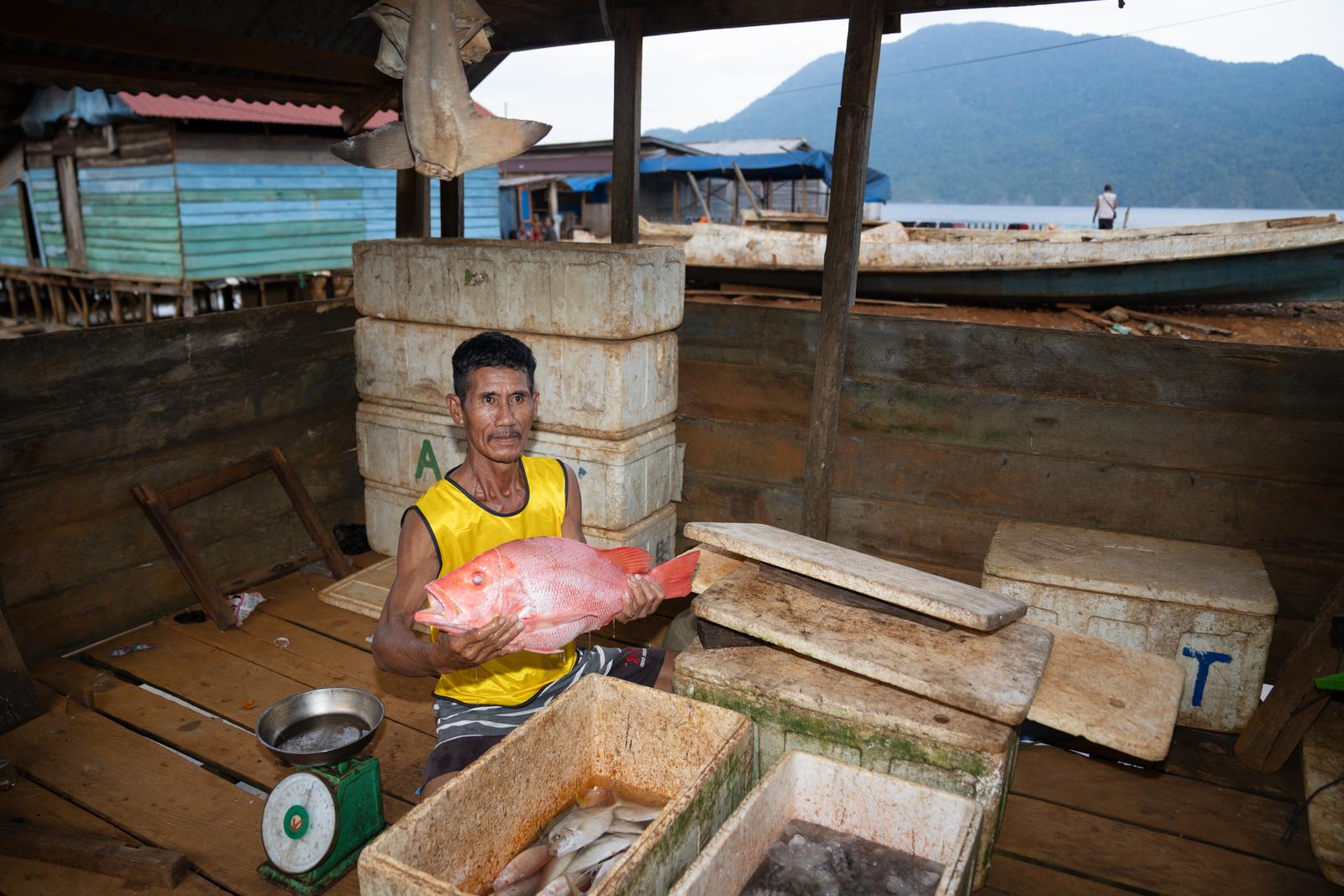
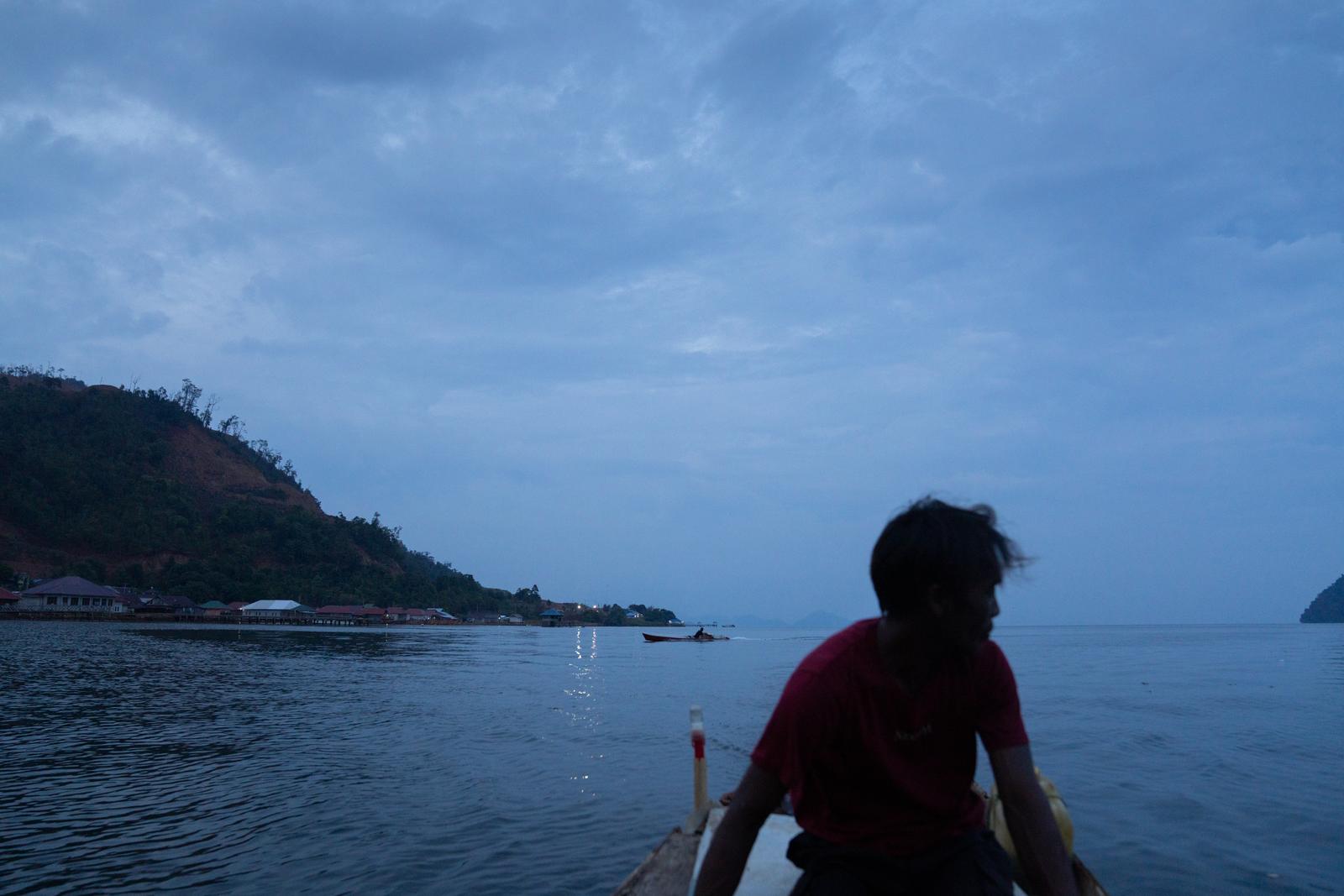
Local fishermen say that before the mining, they fished in front of their village. Now, they have to fish farther away and spend more money on fuel to get there.

Caption: Suherman, 50, sometimes travels up to an hour to Labengki to fish or goes even farther.

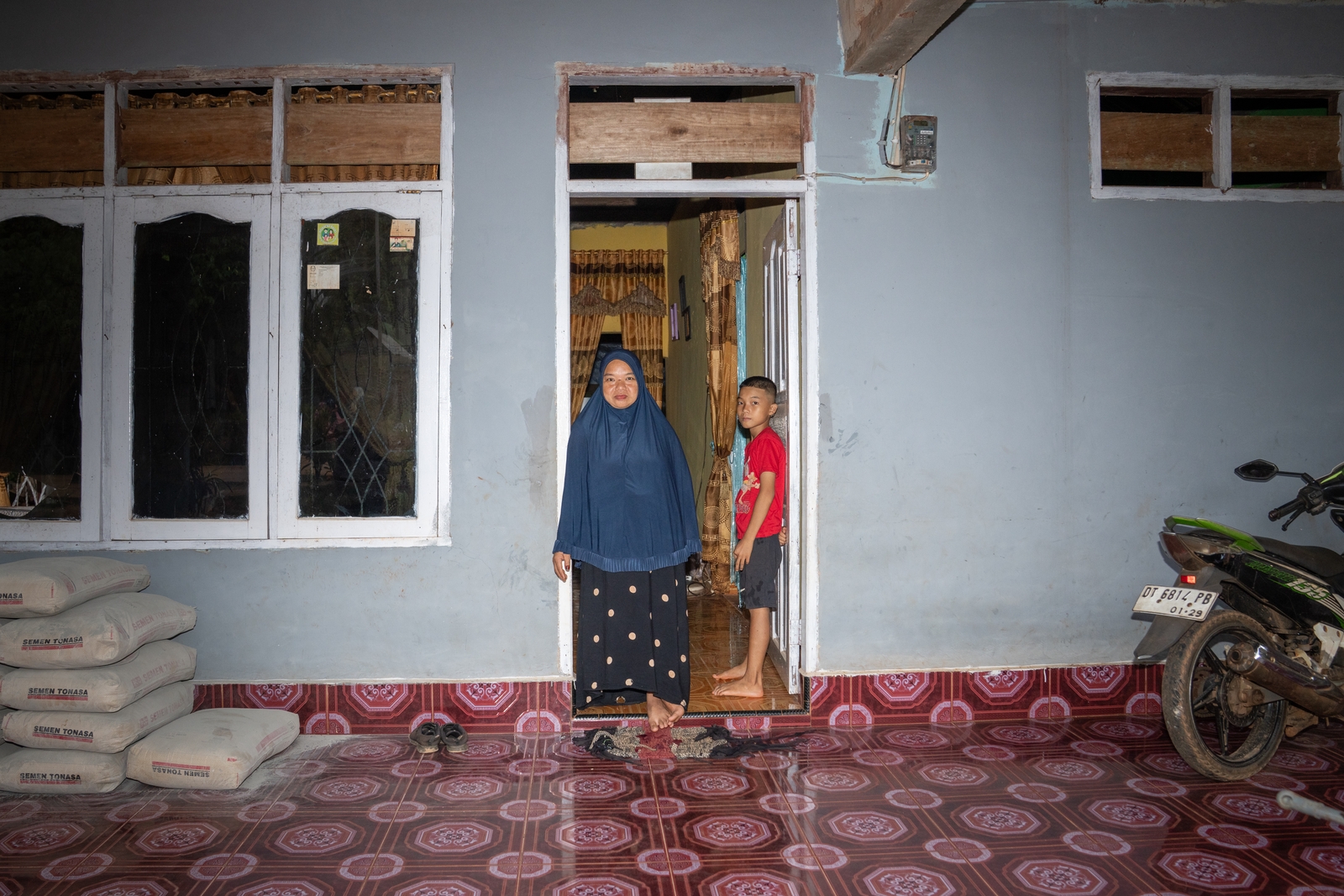
The village secretary, Agussalim, 50, who, like many Indonesians, has one name, says most villagers work in mining — he is also a spokesperson for one of several nearby mining companies. He adds that companies cover villagers’ utility bills, provide monthly payments from nickel shipments and offer other benefits, which is not the case in many other villages with mining nearby.

Villagers we talked to say they don’t feel like they have a right to complain about the damage to the environment because of the benefits they receive.

For those who still rely on fishing for a living, every day is a struggle.

“If I can’t buy gas, I can’t go fishing,” says a fisherman in Boenaga. “Sometimes I can’t even afford to buy cigarettes,” he adds.

Caption: This fisherman requested we not use his name because he feared retaliation by village officials and mining companies for talking to the press.

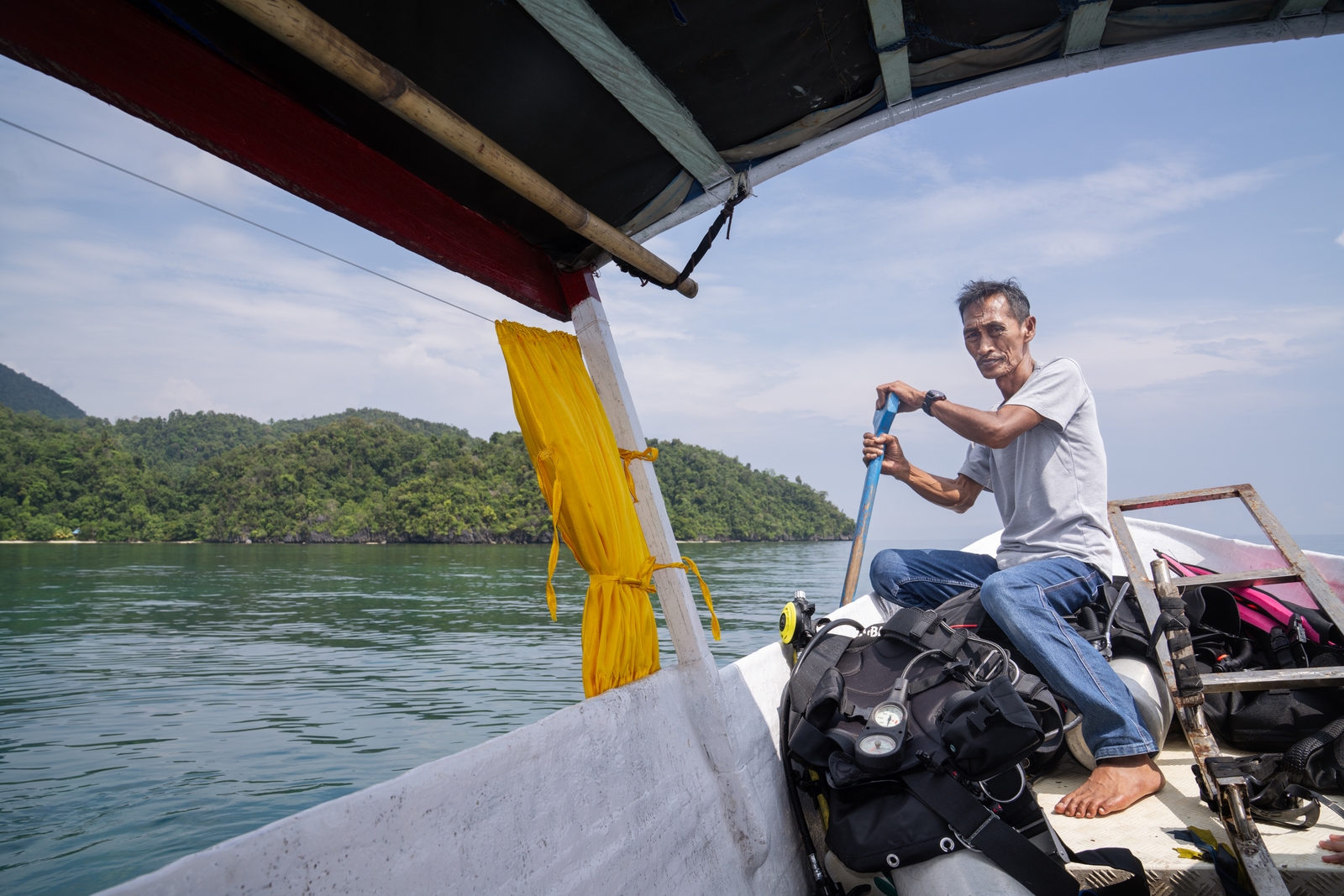
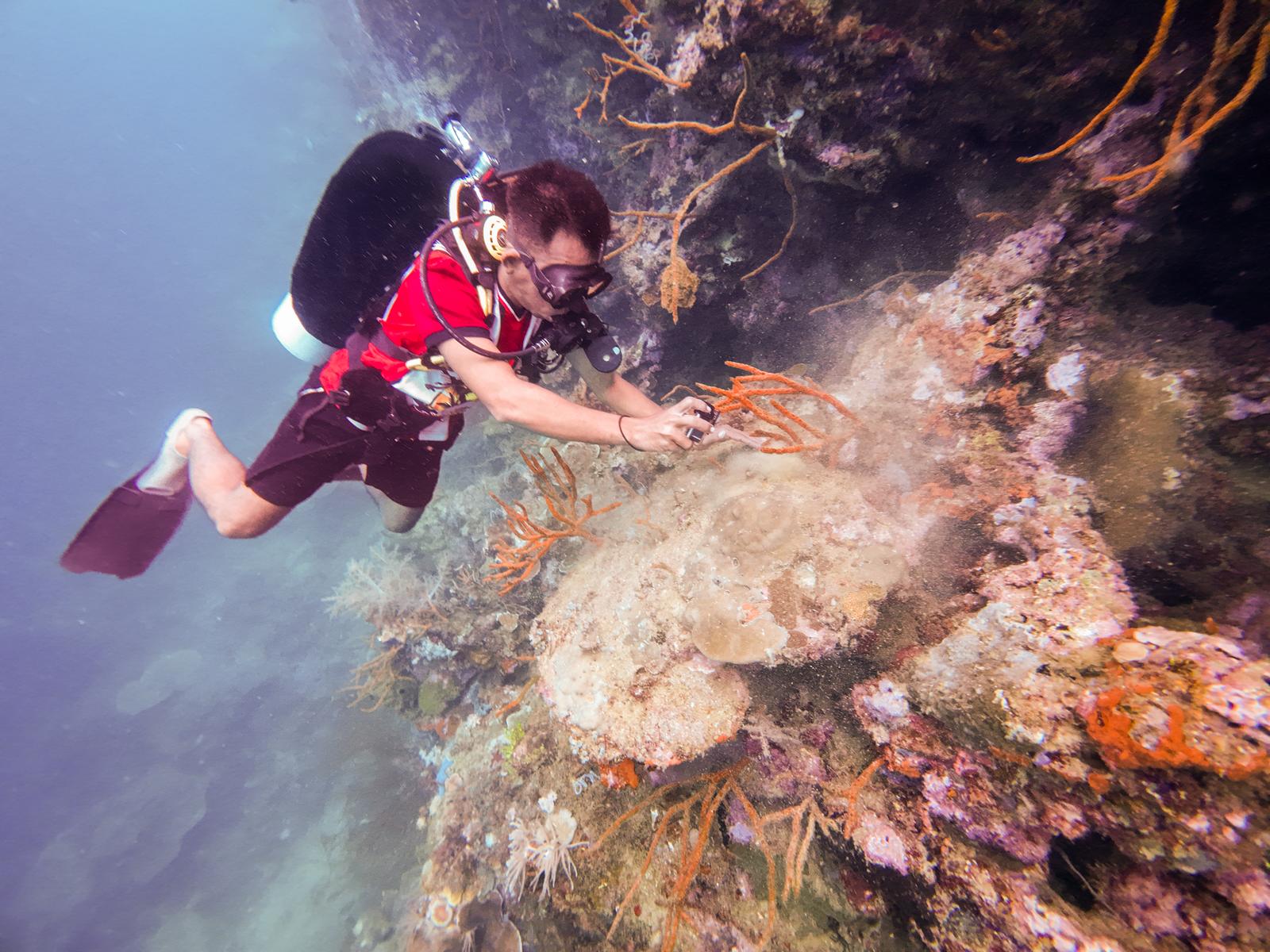
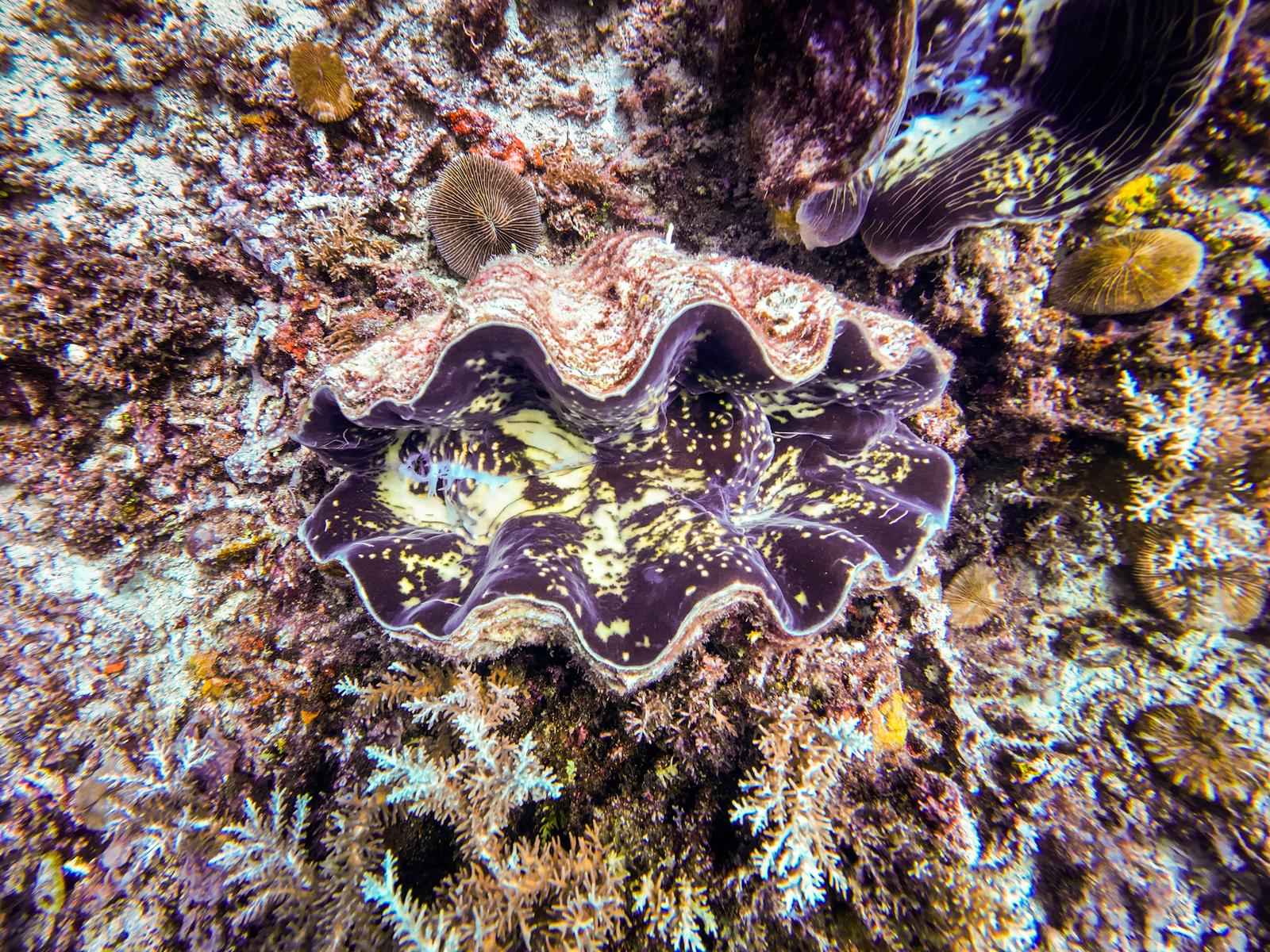
Between the waters of Boenaga and Labengki, local conservationist Habib Nadjar Buduha, 61, documents how mining is changing the water, making it murkier and stressing an already critically endangered species, the giant clam.

Over the past decade, he has seen giant clam populations decline in the area.

Caption: Habib Nadjar Buduha founded Toli Toli Giant Clam Conservation in 2009.

Even 5 miles away from the closest mine, the waters have become cloudy, and sediment has settled over coral reefs.

Habib hopes sharing his findings will make companies take better care of the environment. “We have to find another way, because actually it can be balanced between mining and the sustainability of the marine ecosystem,” says Habib.

Caption: Tawing, a 31-year-old fisherman from Labengki, works with Habib to document some of the sediment he sees settling on coral reefs near clam habitats.

Giant clams are filter feeders. Covering their gills could suffocate them, and heavy metals in sediment could put them at high risk for toxic metal buildup.

Caption: Some species of giant clam can measure more than 4 feet in length and weigh up to 700 pounds, though the species here, Hippopus porcellanus, grows up to 16 inches.

The stark contrast between Boenaga and Labengki shows how nickel mining has left a mark on villages along the coast of Sulawesi.

Adi Renaldi for NPR
Map of where Pomalaa is located on Sulawesi.
New mining projects continue to spread
The nickel industry continues to expand across Sulawesi. In Southeast Sulawesi, the construction of Indonesia Pomalaa Industrial Park is being promoted as a new EV‑battery production hub.

Indonesia produces more than half the global supply of nickel. Here’s how it goes from being mined to final products:

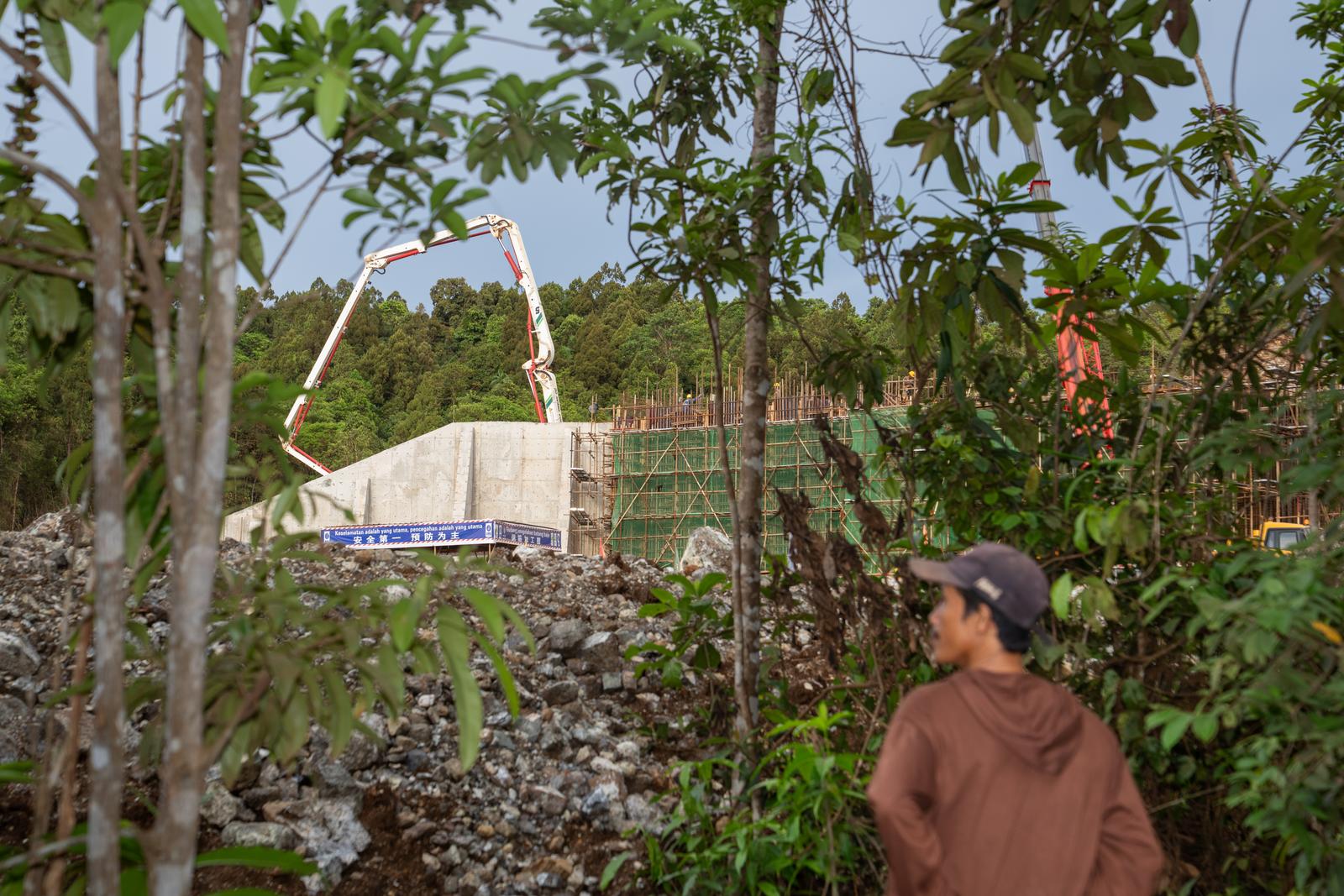
Currently under construction, Indonesia Pomalaa Industrial Park (IPIP) is set to become a major processing hub for lithium battery materials.
In 2024, Arman, a 46‑year‑old farmer who lives and works near the site, received a call telling him his cashew trees had been cut down.

“I came back, and everything was already gone,” he says, adding that some of his land was cleared to build a hauling road that will connect IPIP to a seaport.

NPR spoke with eight farmers who accuse an IPIP investor, Rimau New World, of taking their land without compensation and polluting local water sources.
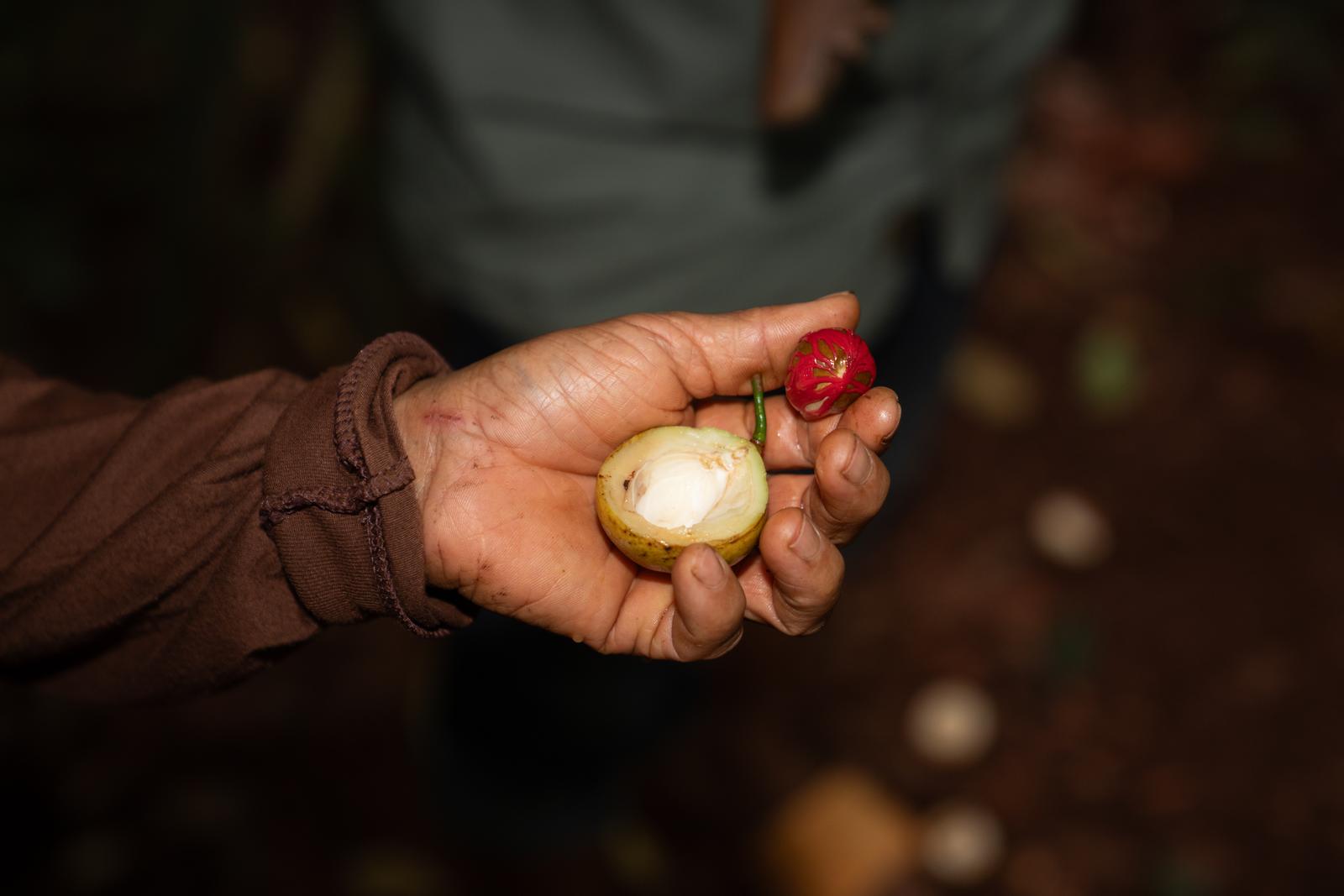
Caption: Arman still grows nutmeg on what’s left of his farm. Holding a nutmeg fruit, he explains that the spices nutmeg and mace are made from the inner seed and its waxy red coating.
The two main investors in IPIP are Huaxing Nickel Indonesia (a Zhejiang Huayou Cobalt subsidiary) and Rimau New World. NPR has reached out to these companies by email and phone and has not received comment.

Separately, the processing plant for lithium battery materials located inside the industrial park includes investment from Huayou Indonesia (a Zhejiang Huayou Cobalt subsidiary), Vale Indonesia and Ford Motor Co., the American automobile manufacturer.

In response to a request for comment, Ford emailed NPR the following: “While Ford is not an investor in the broader Indonesia Pomalaa Industrial Park, we are committed to respecting human rights and protecting the environment.”

Additionally, Vale emailed NPR a response that reads in part: “Land acquisition processes associated with infrastructure development in the broader Indonesia Pomalaa Industrial Park (IPIP) area are managed by the respective project developers and relevant authorities in accordance with Indonesian regulatory frameworks.”

NPR did not receive a response from Huayou Indonesia.

Because of his loss of income, Arman says some days his family can’t afford to buy fresh fish or chicken as they used to.

Other farmers were able to sell their land, like Sukiman, 51. He says he effectively had no choice after being told the project is considered of national importance by the government and says he was paid less than its value.

Like other nickel projects in the country, IPIP has brought more jobs to the area for some locals and people who’ve moved here for work.

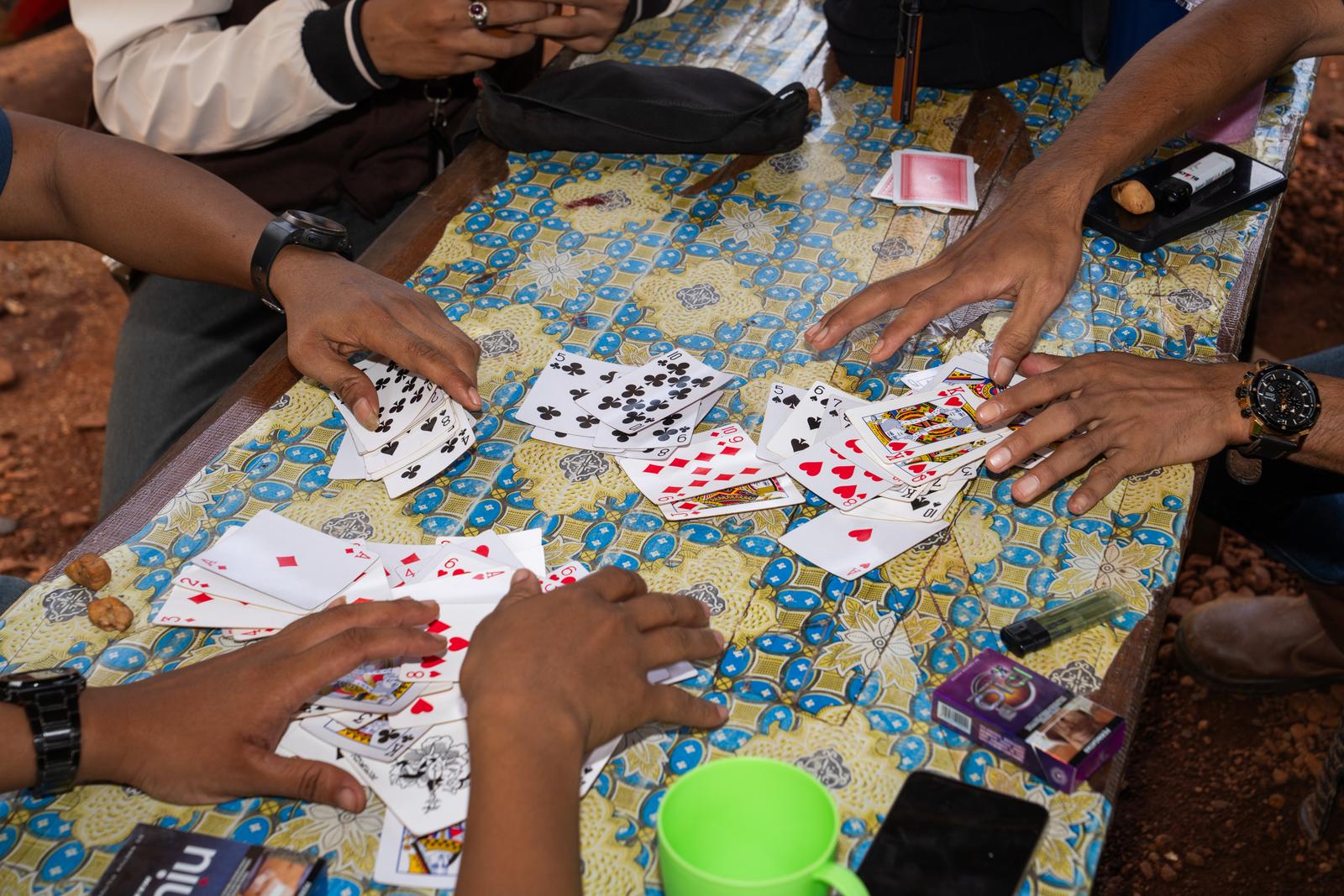
Caption: Across from Sukiman’s house, workers play cards and smoke cigarettes at a roadside stall on their midday break.
Adi Renaldi for NPR

While the nickel industry brings jobs and more investment into the country, it’s also causing concern over potential harm to local people and the environment.

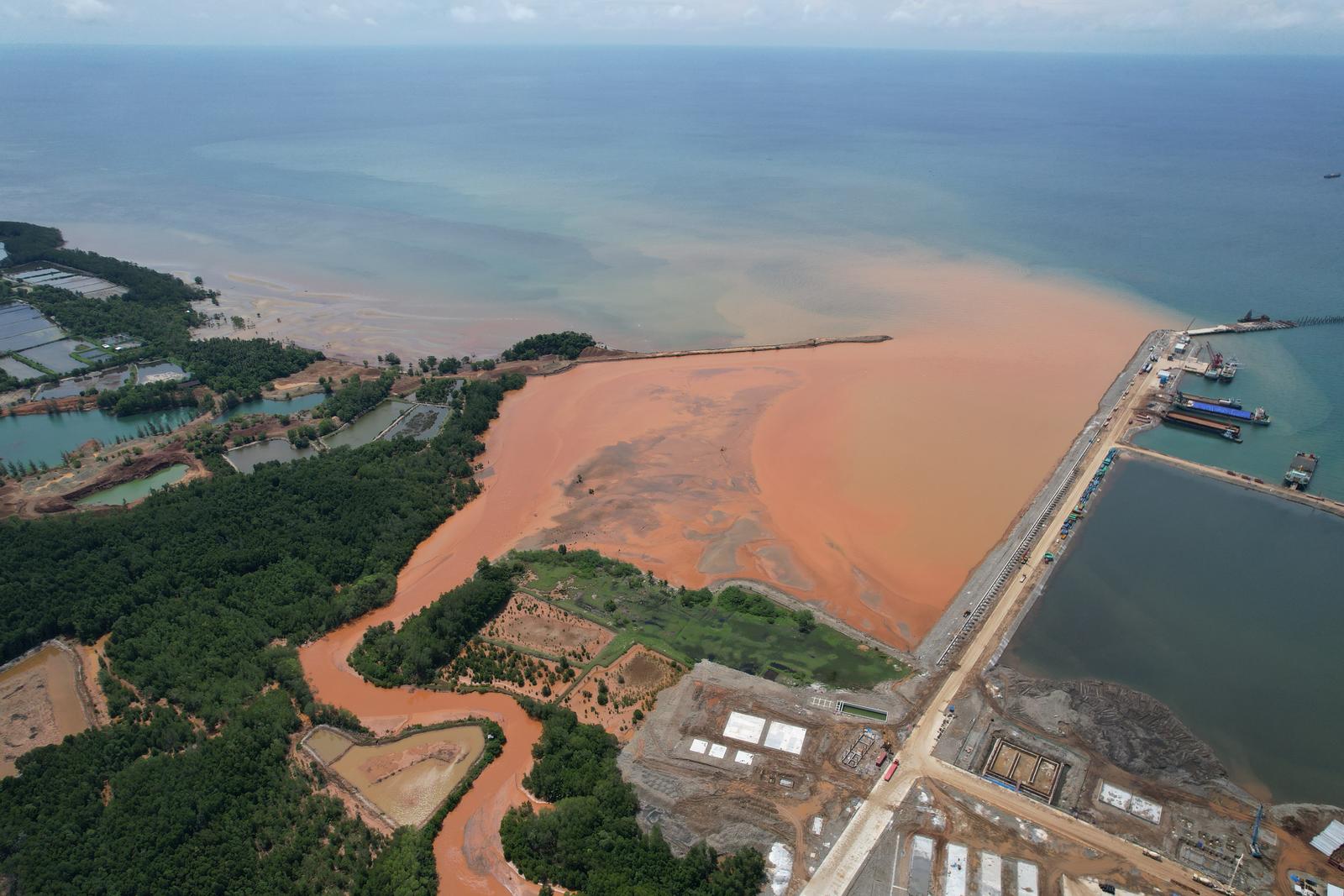
Caption: Sukiman’s land near the coast was used to build the IPIP port. Sediment from IPIP flows into the ocean.
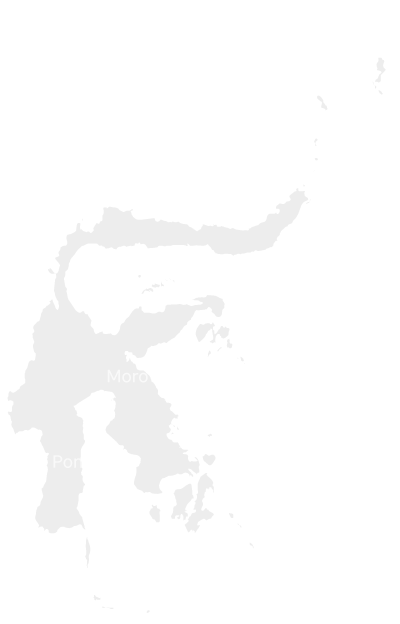
Map of where Morowali is located on Sulawesi.
Where mining has become the way of life
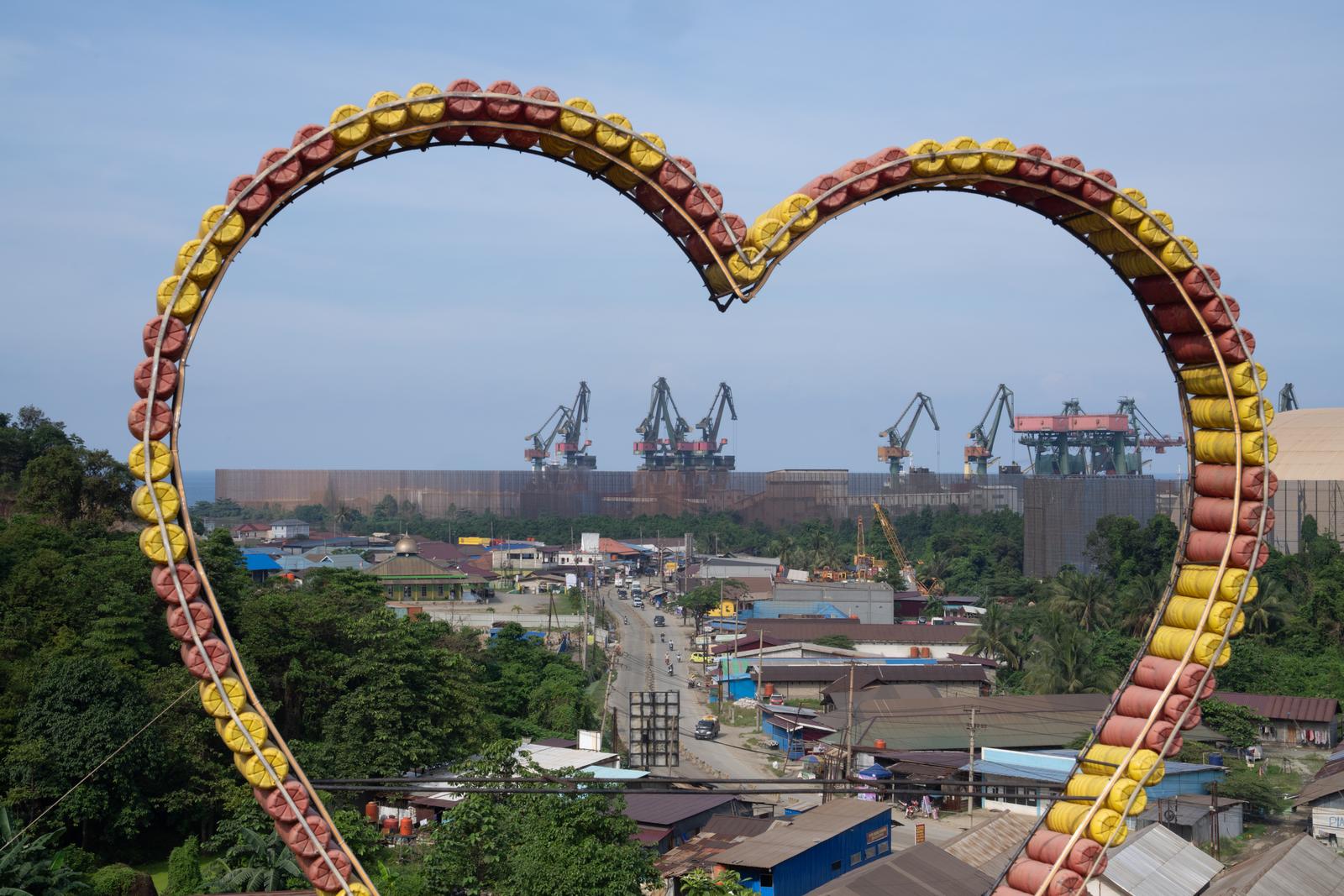
Indonesia Morowali Industrial Park (IMIP) is often called the heart of the country’s nickel boom. It’s the country’s largest nickel production complex.
Adi Renaldi for NPR

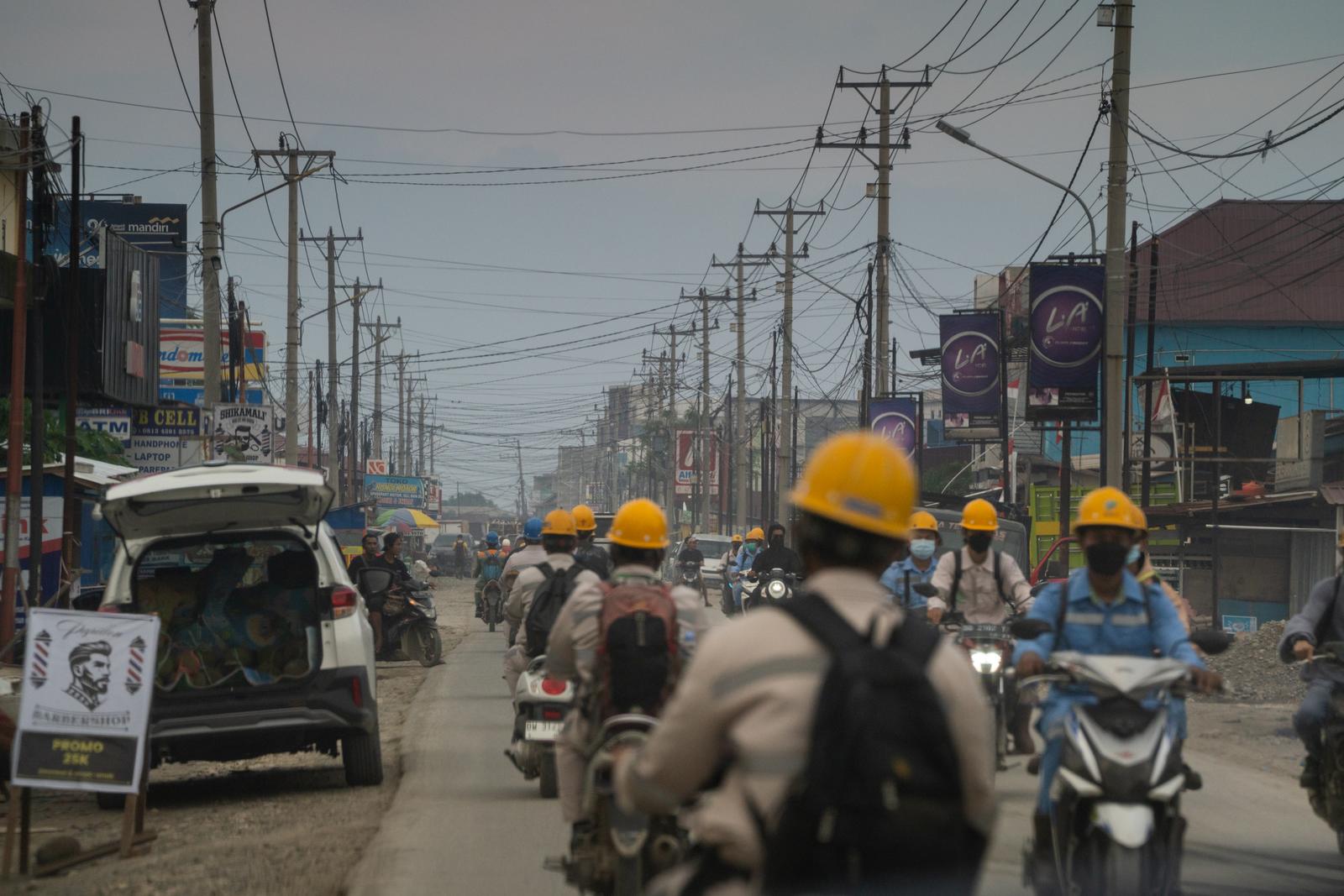
Built in 2013, the park spans around 10,000 acres across the Bahodopi district in Morowali Regency, making up a smog-filled industrial maze.

As the industrial park has grown, the population has exploded. Makeshift markets, shops, cafés and worker housing have sprung up to support the boom.

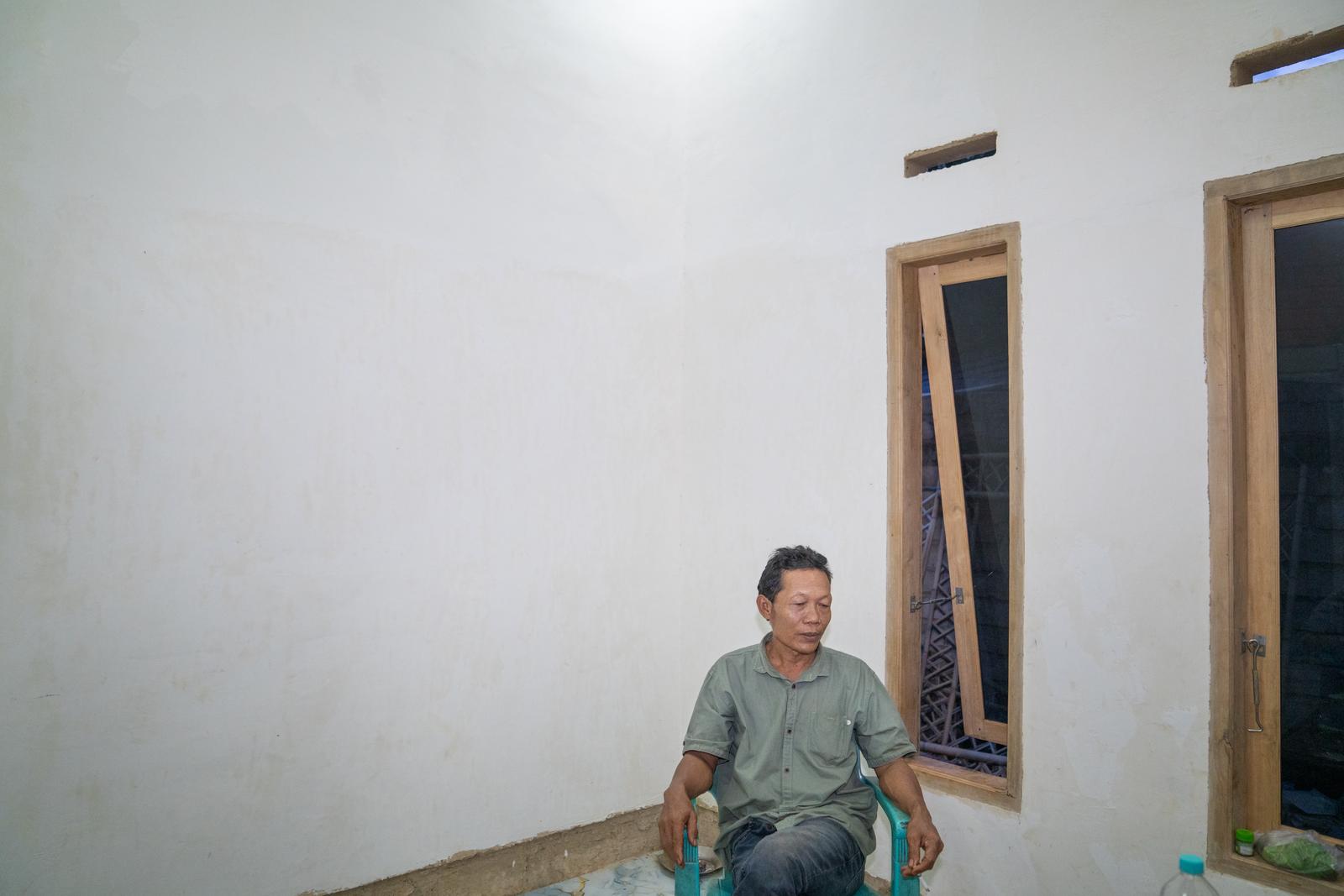
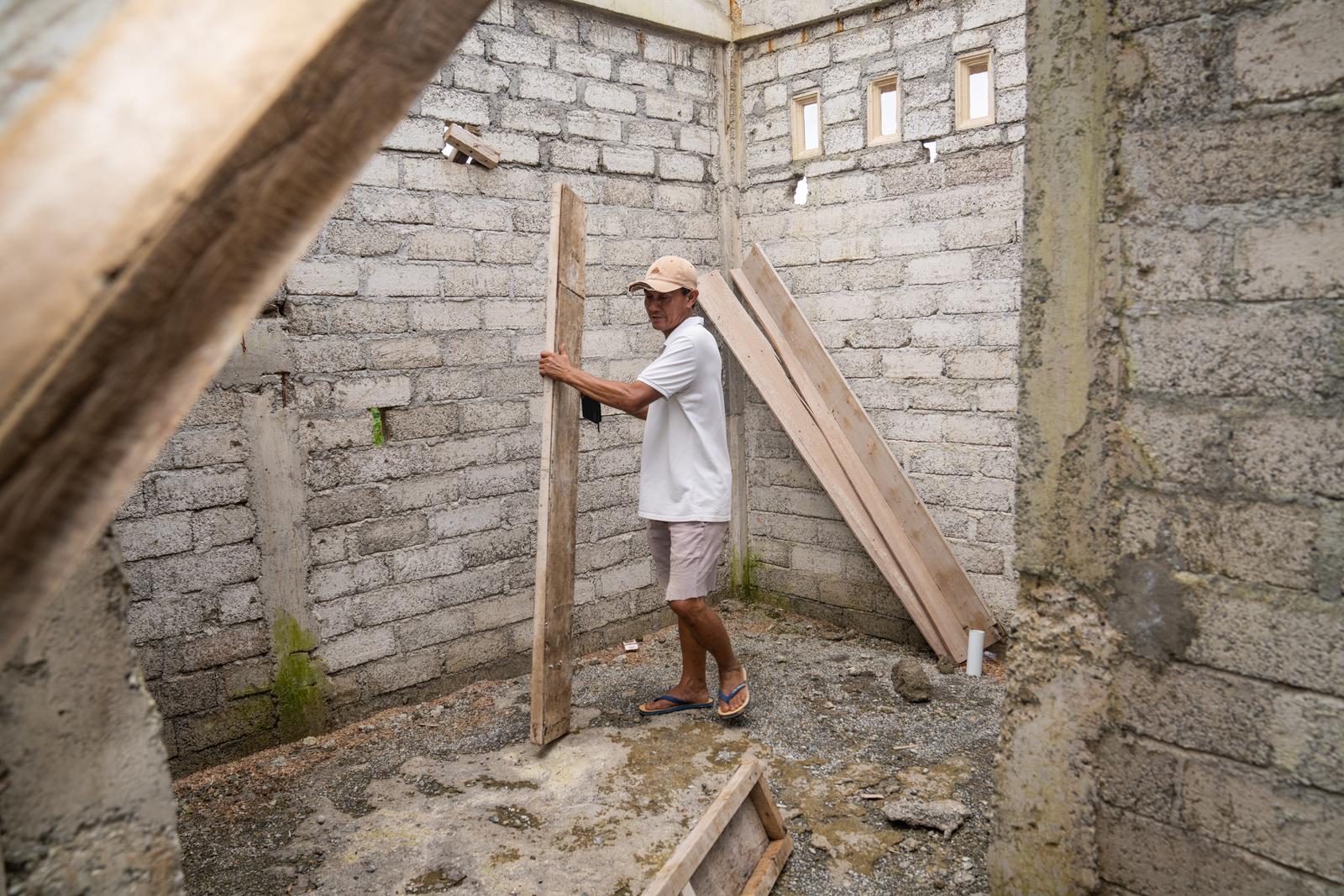
Caption: Darmin, 49, rents out worker dorms and is building a second block of small units that will house up to six families.

IMIP heavily relies on coal plants for its electrical supply. A constant blanket of smog has become a part of everyday life for residents and workers living in Bahodopi.

Public health experts warn that air pollution here could pose serious health risks for residents, as cases of acute respiratory tract infections rise at the only public health clinic in the district.

Cases of acute respiratory tract infections at Bahodopi Community Health Center

Symptoms of respiratory infections can include fever, cough, chest tightness, wheezing and shortness of breath.

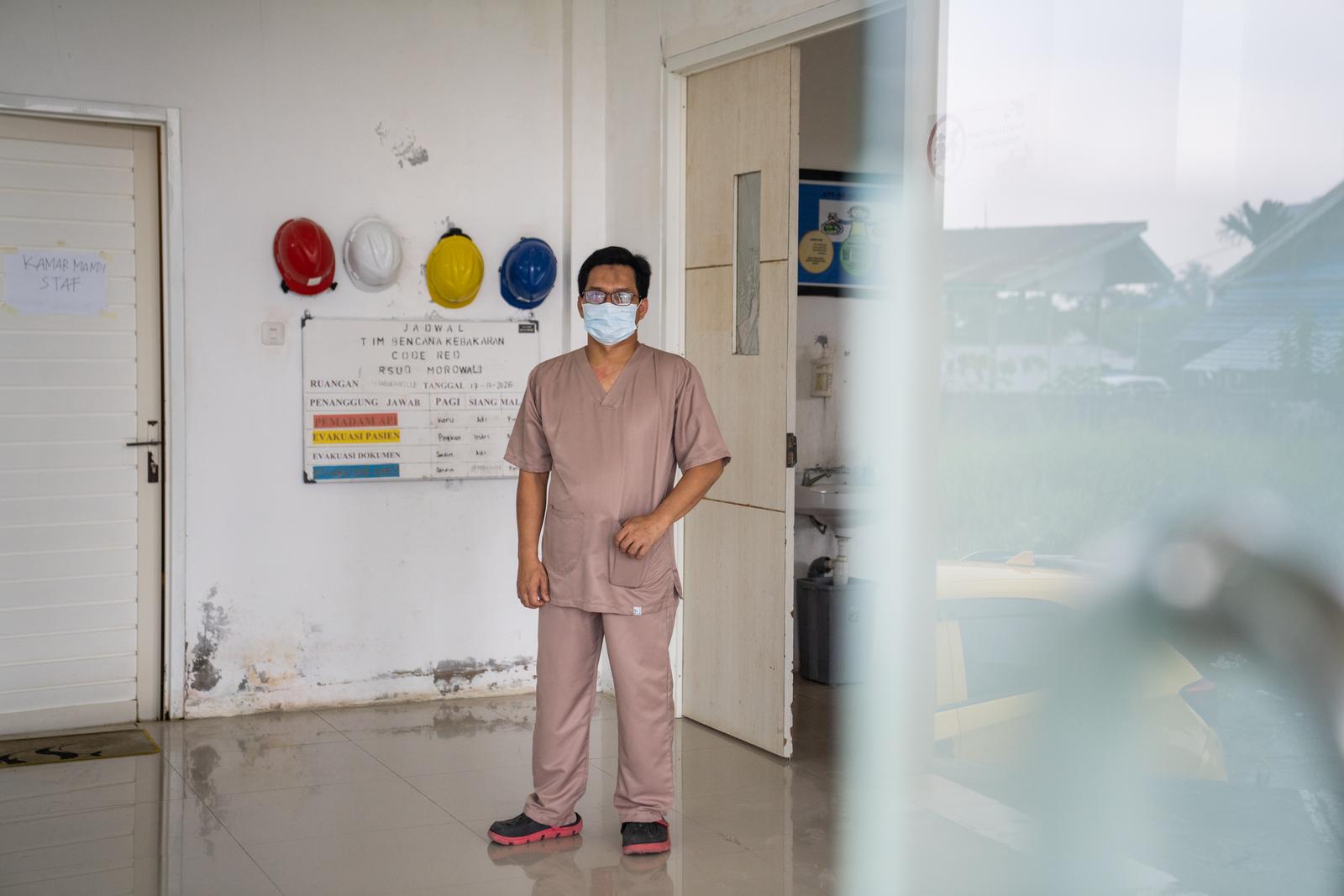
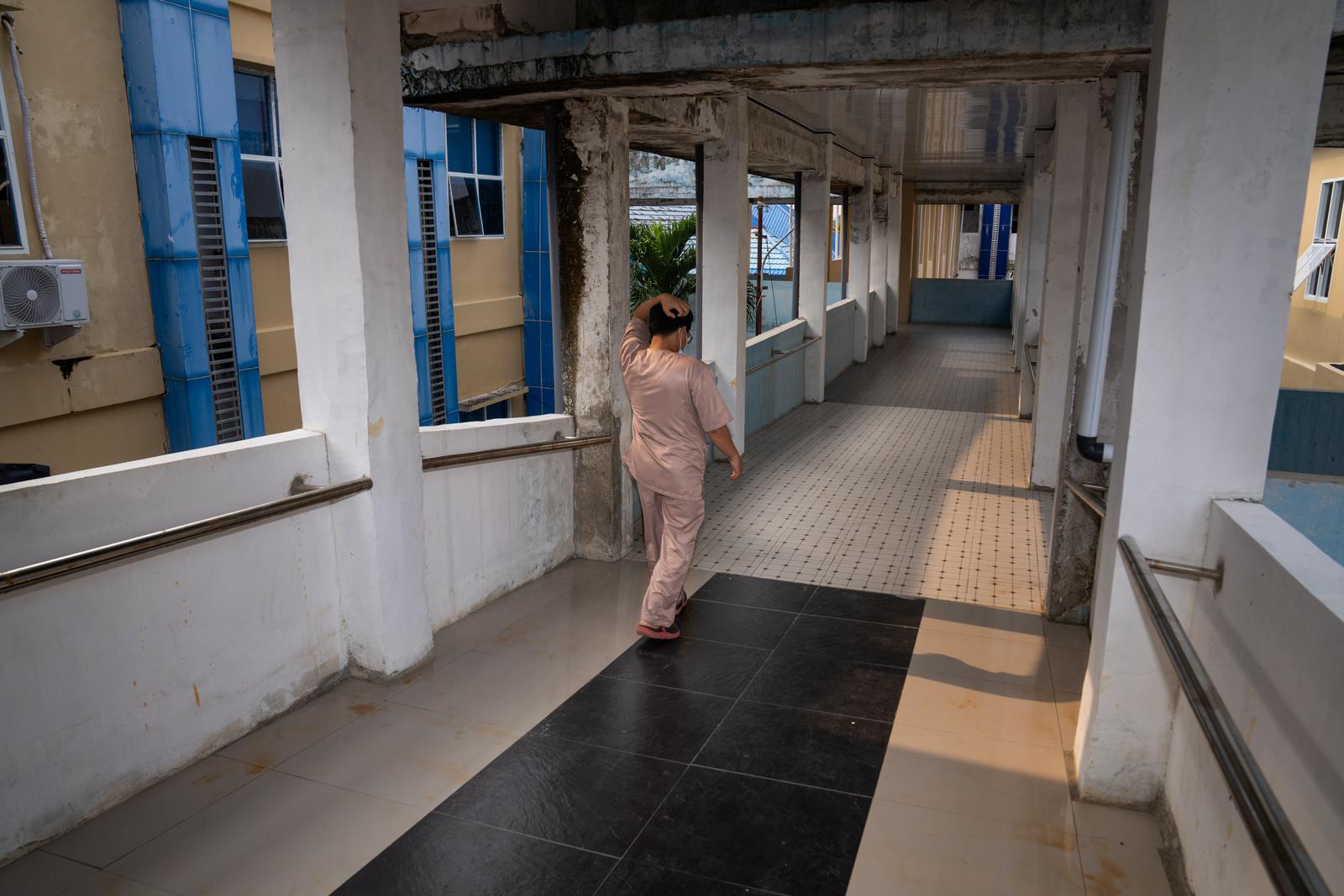
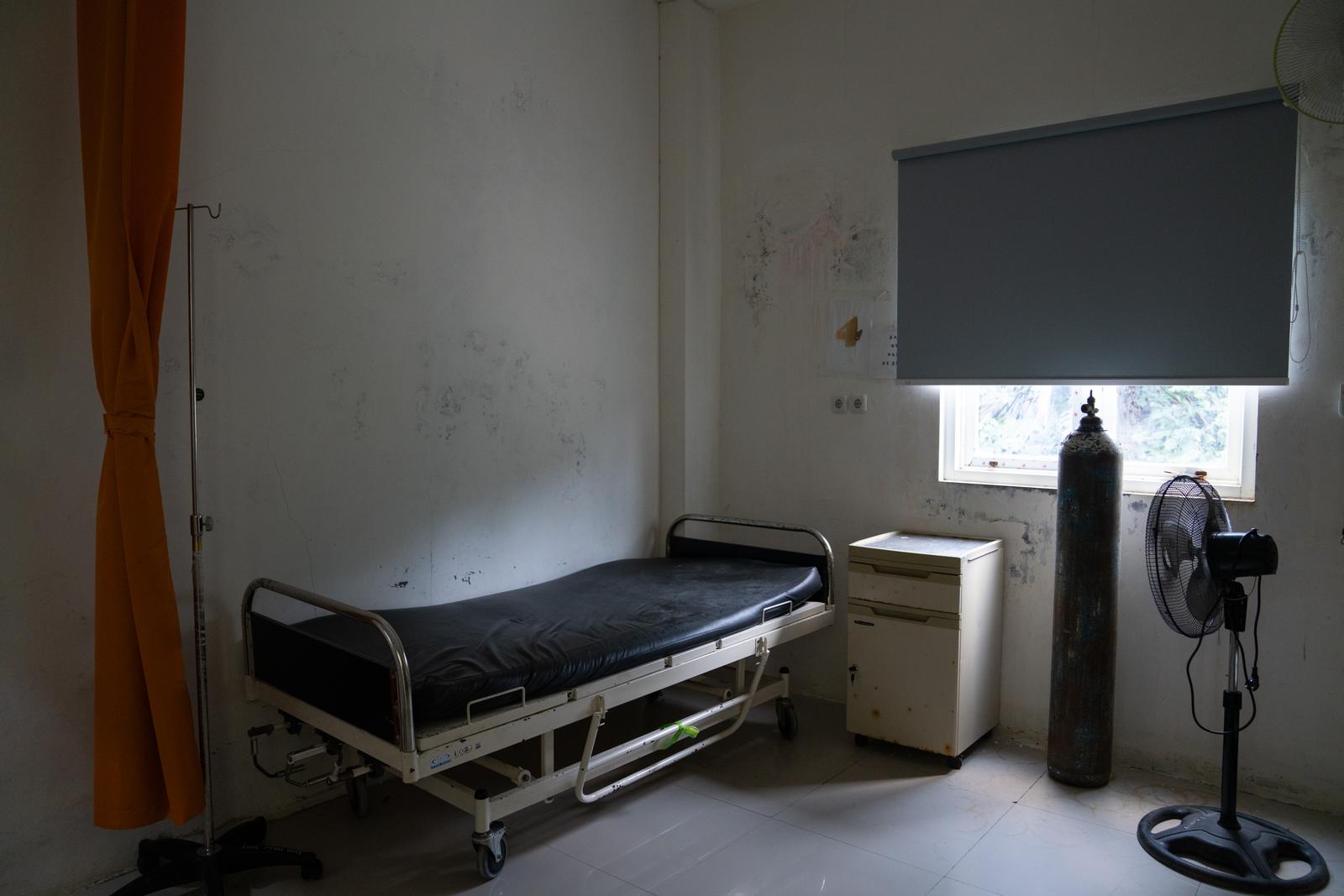
Respiratory tract infections and other lung diseases are also rising at the regency’s only hospital, in Bungku, a two‑hour drive from Bahodopi. There were 812 cases in 2020. In 2025, there were 3,228 cases, according to hospital records.

Caption: A room in the isolation building at the only hospital in Morowali Regency. It’s used for patients who have HIV or severe respiratory infections like tuberculosis.

Wirya Sastra Amran, 40, is the hospital’s sole pulmonologist. He says 70% to 80% of his patients with respiratory issues come from Bahodopi.

“Since I started working at the hospital in 2019, there has been a drastic increase in pulmonology diseases from the mining areas in Bahodopi,” he says.

“It’s impossible to say, ‘Don’t live there,’ because people need jobs,” Wirya says.

But the pollution isn’t getting any better.

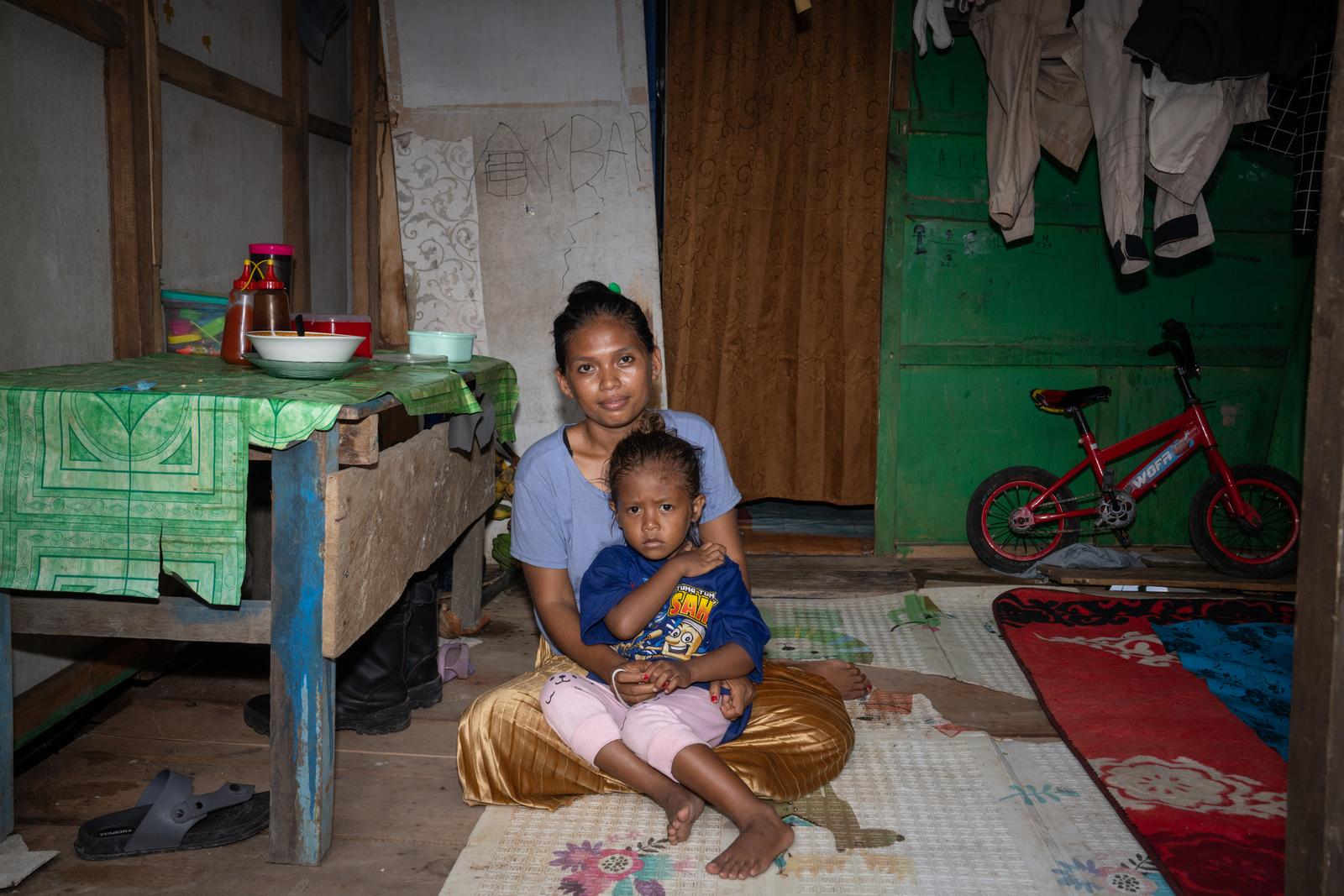
Putri, 21, was born in a village in Bahodopi and is raising her two daughters here. Last year, she had severe chest pain and shortness of breath, and her 4‑year‑old daughter had a cough.

A local doctor said their condition was caused by air pollution.

“Almost every house in the village has some health problems,” Putri says.

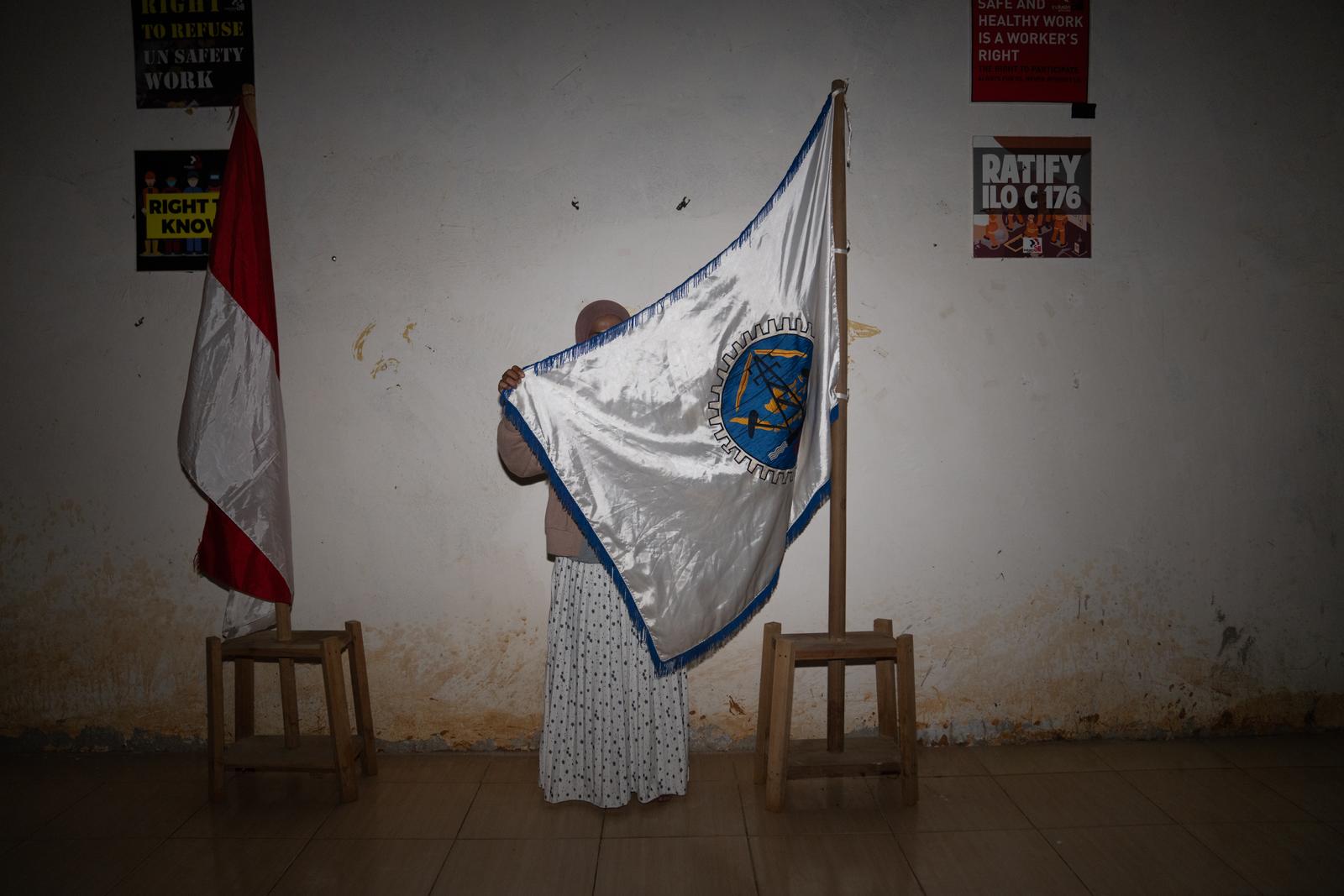
Some workers are also concerned about the safety conditions at IMIP, like Feni, 25, who moved here for work.

IMIP has the highest number of workplace accidents within Indonesia’s nickel industry, according to a report from the Federation of Mining and Energy trade union. More than 40 people have died since 2016.

“Investors who come to Morowali, they get rich. But they disregard the welfare and safety of the workers,” Feni says.

Caption: Feni, who is in one of the labor unions, asked to be identified by her nickname for fear of retaliation by IMIP. NPR has reached out to IMIP and its shareholders and has not received a response.

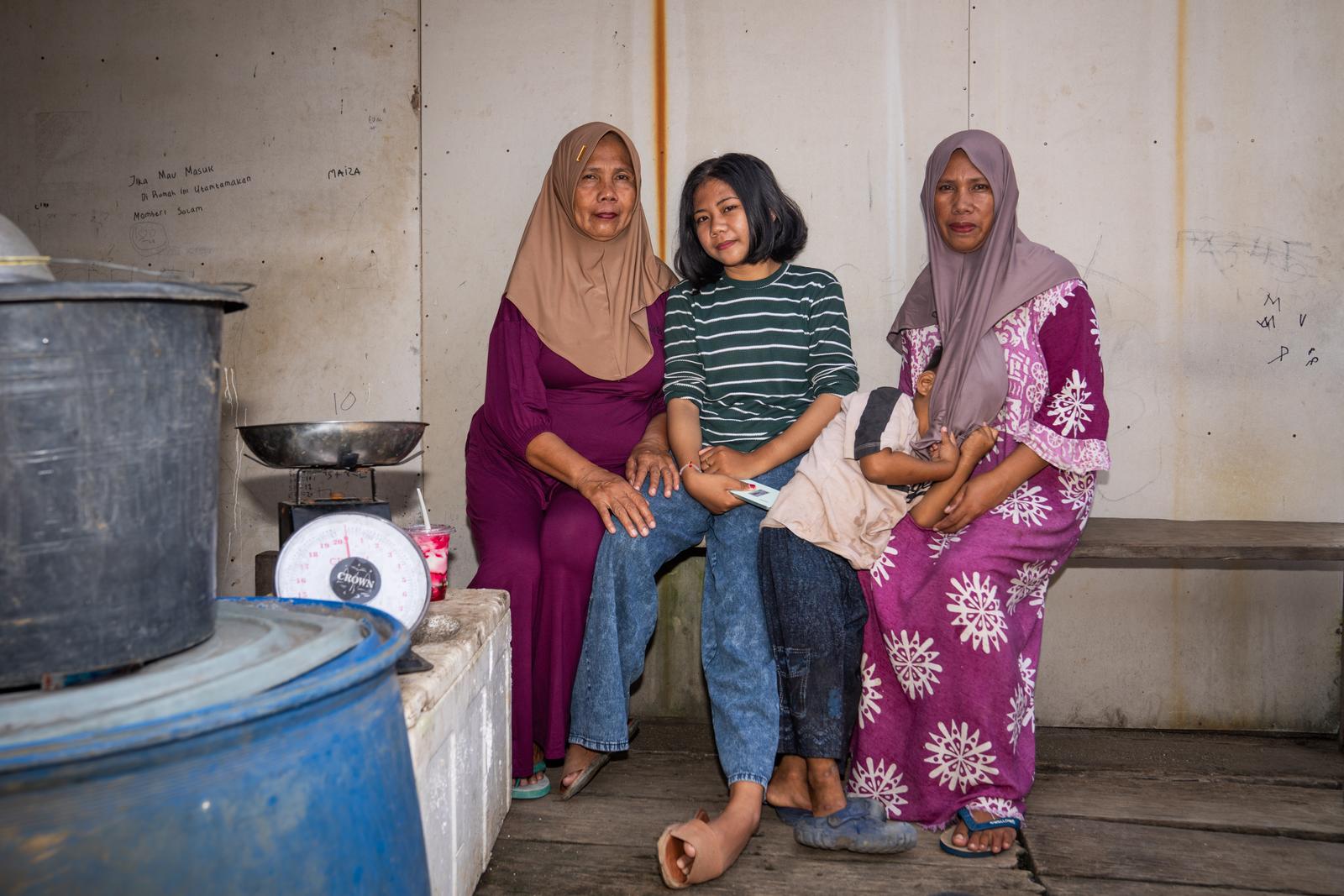
Villagers who lived here before the nickel boom don’t share in the new wealth, like Mariana, 35, who is married to a fisherman. She says there are no fish near their home anymore, so her husband fishes farther out and doesn’t always bring home enough.

“We don’t have money for the market. No pocket money for the children. What can we do if we don’t have any luck?” says Mariana (right).

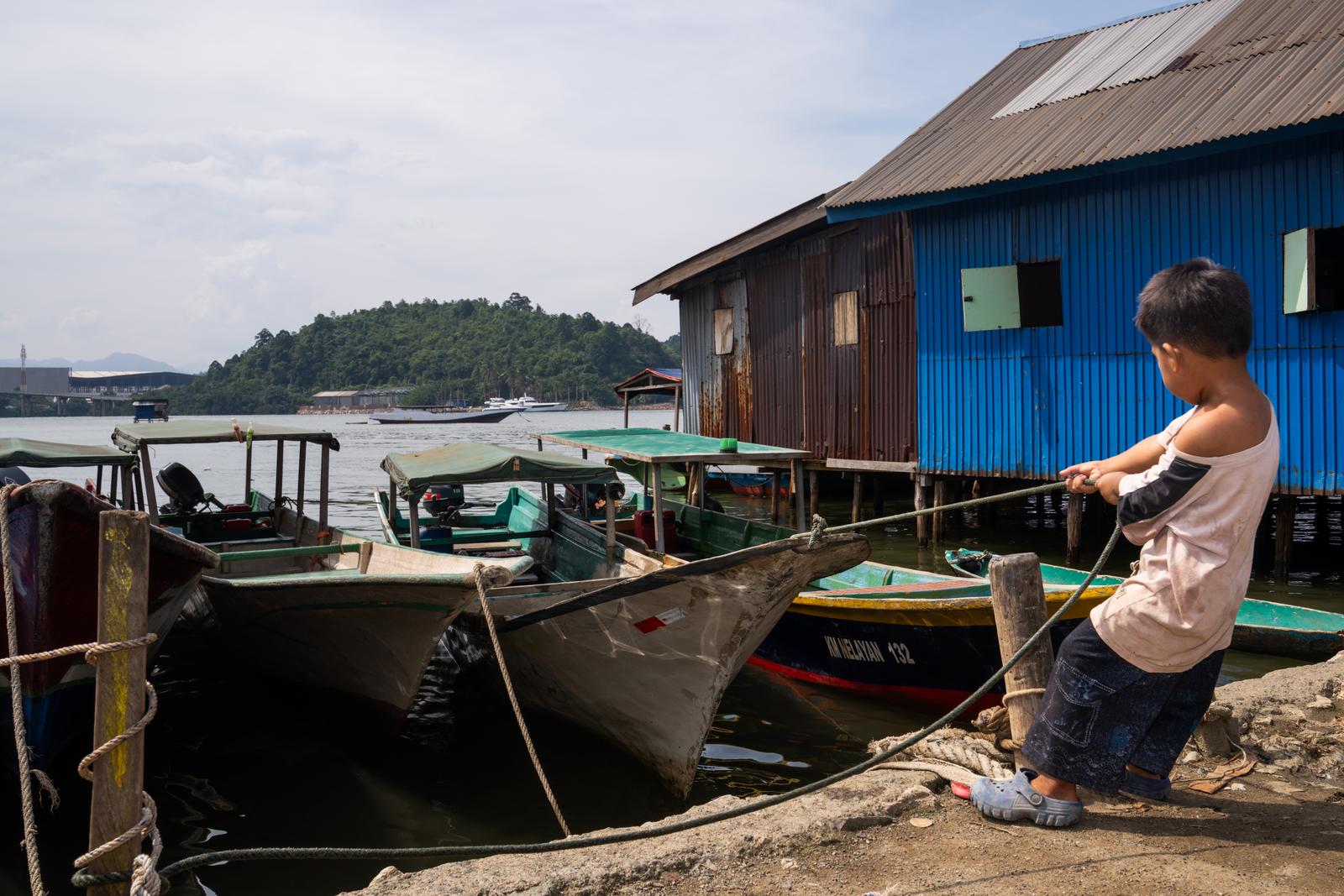
Mariana’s son wants to be a fisherman like his father. But this next generation will grow up in a different version of Sulawesi.

Map of where Morosi is located on Sulawesi.
The search for government accountability
Some locals have been trying to fight the pollution in their communities. In Tani Indah, a village in another part of Sulawesi, villagers say a coal-fired power plant is polluting their land.
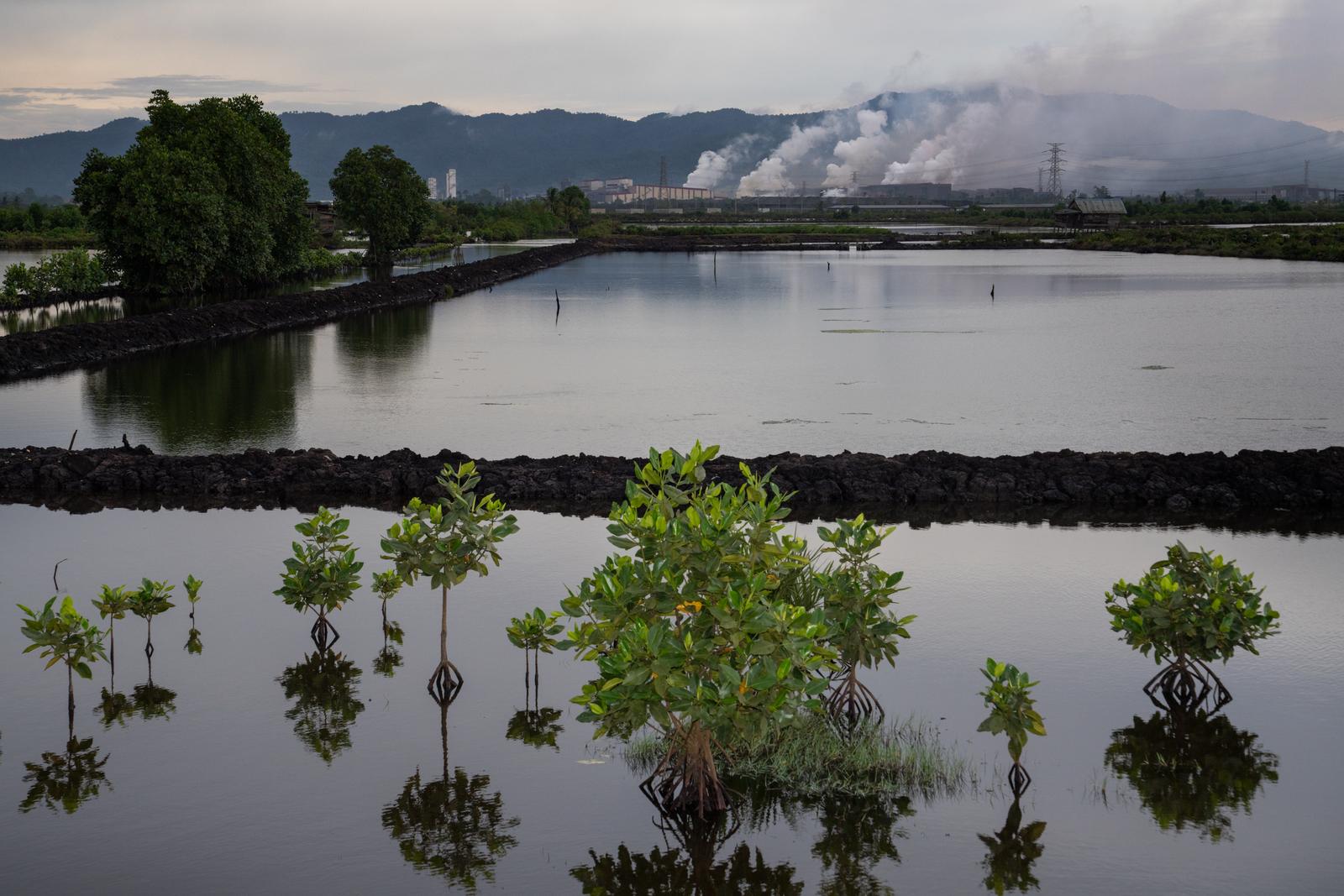
Built in 2018, the power plant in Morosi is operated by Chinese-owned company Obsidian Stainless Steel and is located within the Virtue Dragon Nickel Industry Park, which mainly produces stainless steel.

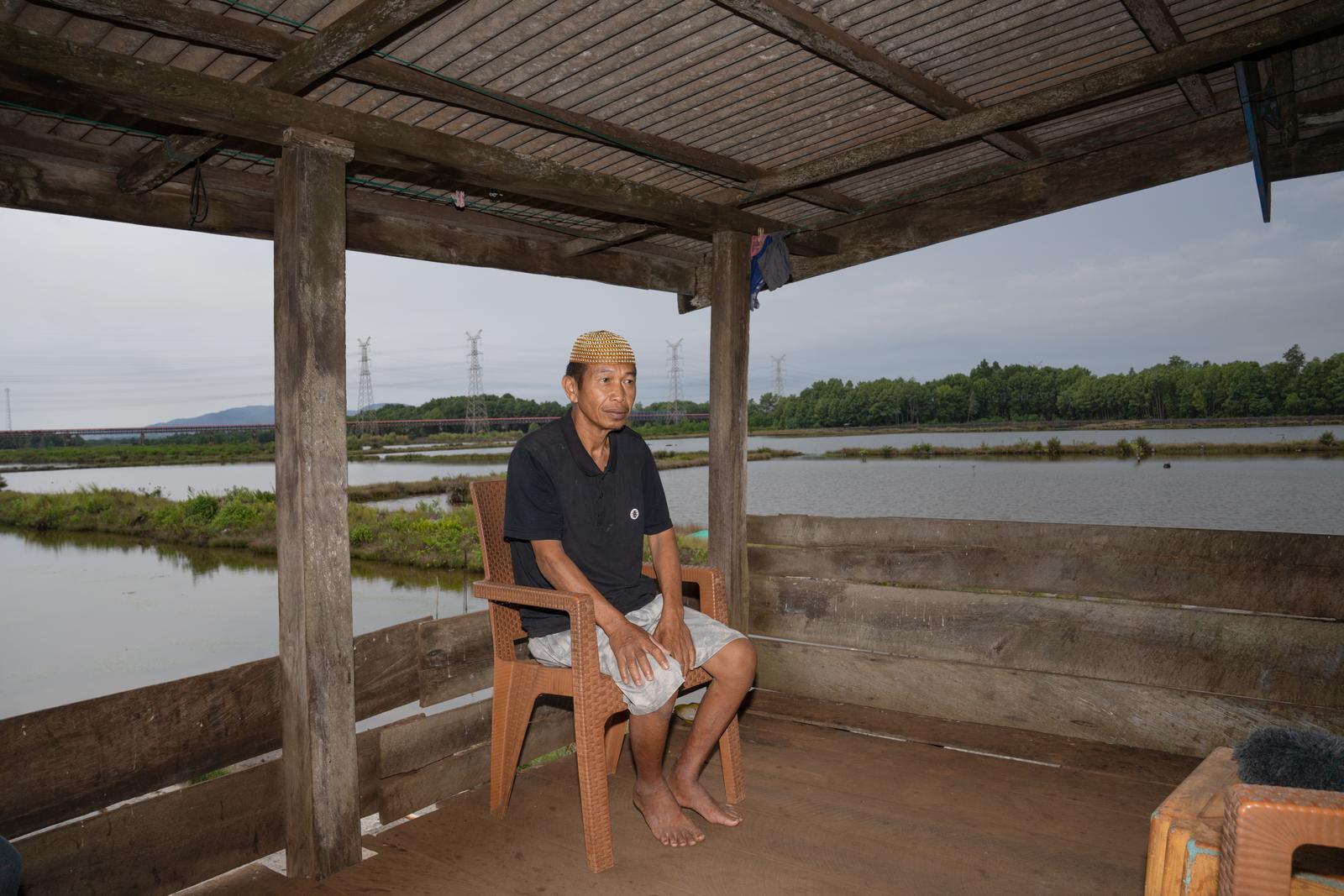
When Amir, 59, started his farm in the 1990s, it was profitable, but now he struggles to break even. Tens of thousands of shrimp he was farming died last year.

He feels trapped. “I don’t want to live here anymore, but that’s life,” he says. “It’s a painful situation.”

Villagers protested and appealed to local lawmakers, who told them enforcement of environmental regulations falls under the central government.

A local nonprofit helped villagers file a lawsuit against Obsidian Stainless Steel and the Virtue Dragon Nickel Industry Park over environmental damage from the power plant and health violations. Legal battles continue, but their concerns remain unaddressed.

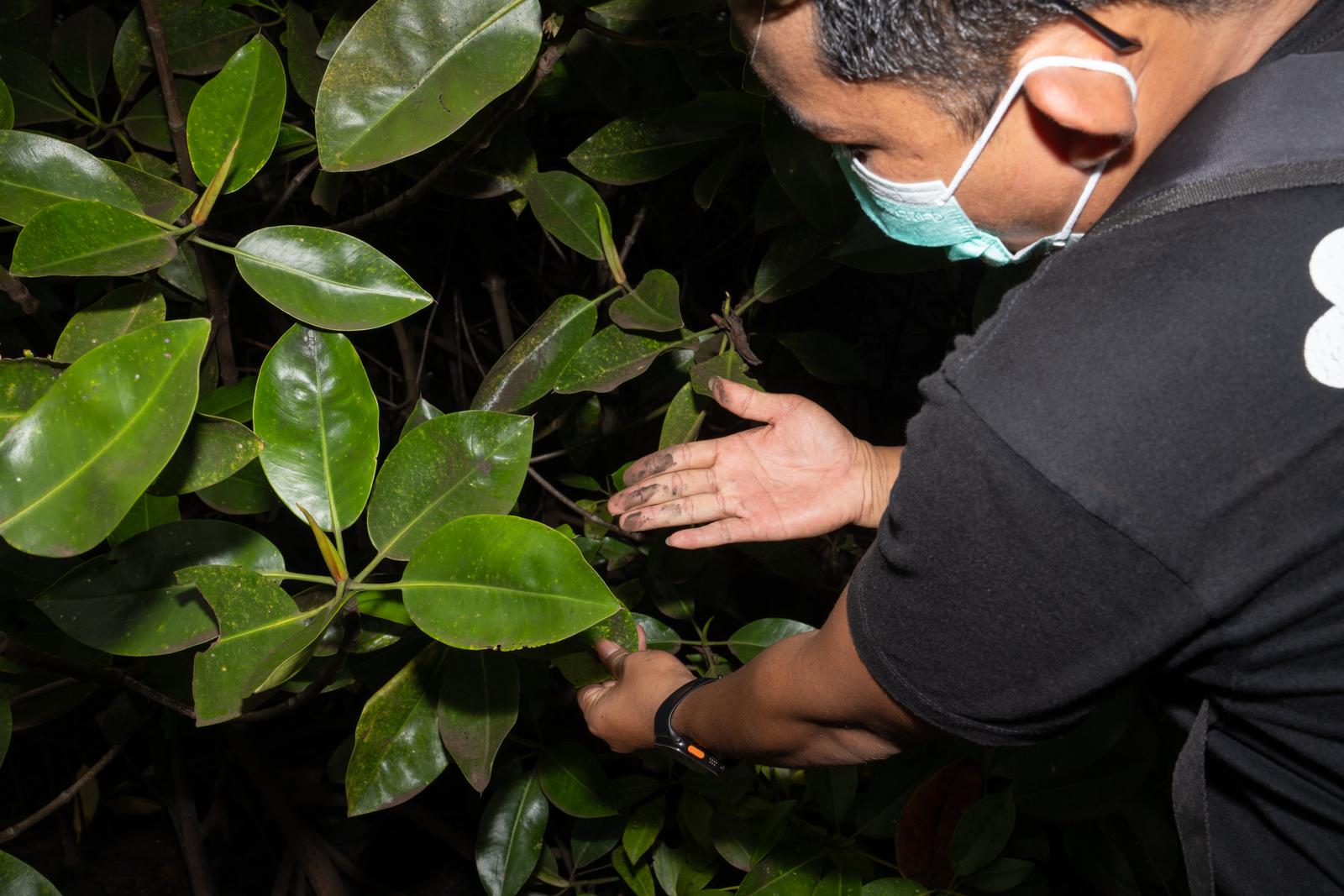
Caption: Anas Padil, 33, is part of the coalition of villagers that sued the companies. Here he touches a mangrove growing along the river near the coal plant, and his hands come away black with soot.

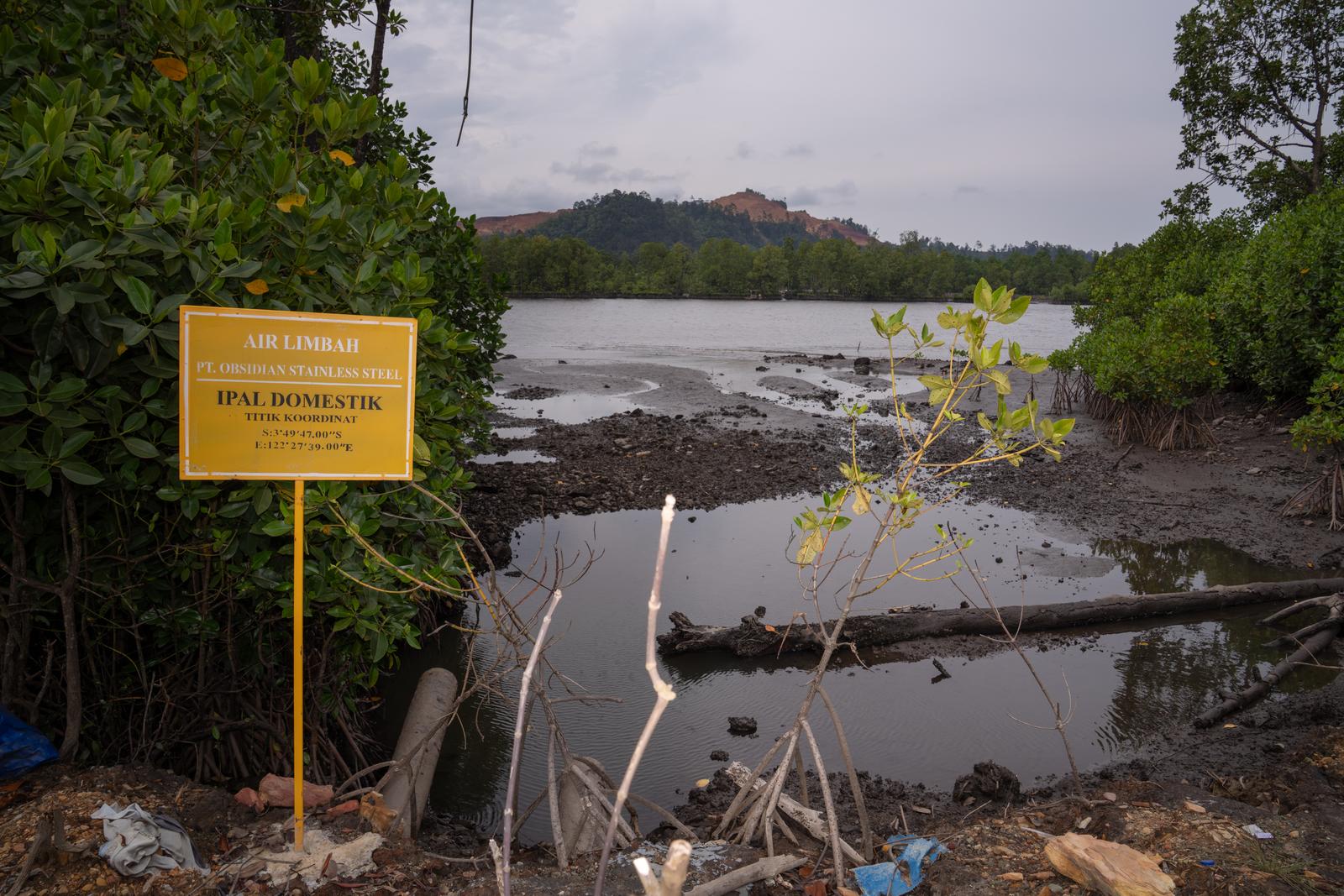
A river near the village is used to irrigate fish ponds and is also where the coal plant dumps waste. The sign here says “wastewater” and “domestic wastewater treatment plant.”

In an emailed statement to NPR, Obsidian Stainless Steel said the company “strictly complies with Indonesian environmental laws … and operates fully in a legal and compliant manner throughout its operations.” NPR did not receive a response from the Virtue Dragon Nickel Industry Park.

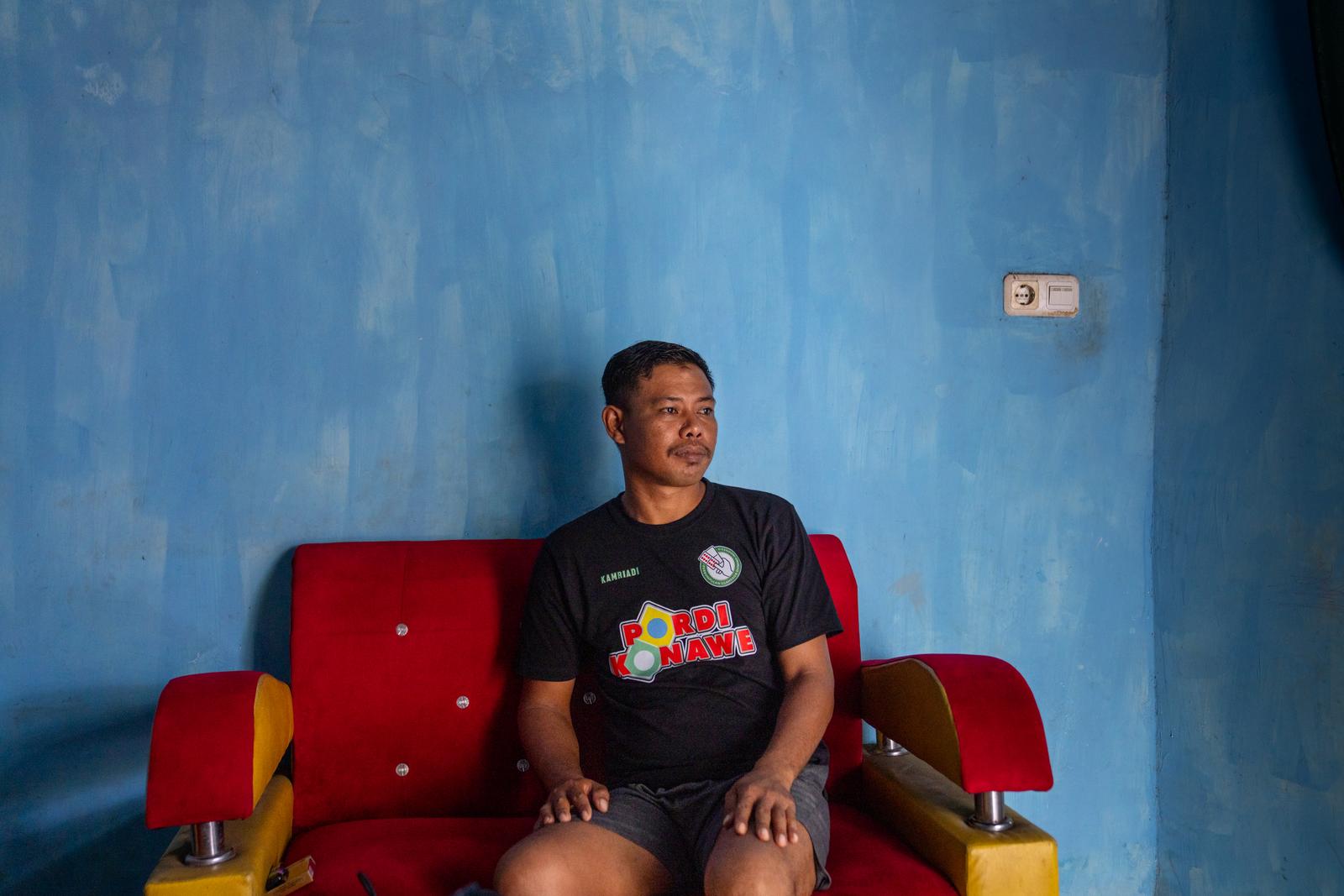
Kamriadi, 36, is part of the coalition of villagers suing the companies. Thousands of his fish died too.

He had planned to move elsewhere in Sulawesi and start over, but he recently learned a new industrial park is being built near the land he purchased.

Nickel mining is an inescapable part of life in Sulawesi now.

Map of where Wawonii is located on Sulawesi.
One place that found accountability, for now
Wawonii is a rare example of locals winning their fight against nickel-mining operations. It’s a small island off the coast of Southeast Sulawesi.
Adi Renaldi for NPR

In 2017, a nickel-mining company, Gema Kreasi Perdana (GKP), started operations near the village of Roko-Roko. After years of conflict with villagers, the mine closed in 2025.

Caption: Drone footage from December 2025 shows the mining company Gema Kreasi Perdana’s port facilities on the right and the village of Roko-Roko on the left, divided by a river.

Over the years, villagers in Roko-Roko held demonstrations, accusing the mining company of clearing community farmland and contaminating a local spring.

Sanudin, 67, says sediment from mining made their main water source undrinkable.

In an emailed statement to NPR, GKP said that it is now rehabilitating the land in the area and that regular water-quality monitoring results “have consistently remained within applicable regulatory standards, with no recorded exceedances.”

Villagers allege that the company, colluding with local law enforcement, intimidated and harassed them in retaliation for their protests against the mining project.

For example, in 2022, some villagers were arrested and spent 40 days in jail before being released. Others fled into the forest.

In a statement, GKP said, “We do not tolerate any form of intimidation and harassment. … We fully respect the legal rights of all Indonesian citizens, including the right to peaceful assembly.”

Caption: Sanudin’s family harvests cashews on his farm. He has cashew trees here that he planted in 1984. Sanudin says Gema Kreasi Perdana tried to build a road through this land in 2022.

Fleeing arrest, Amlia lived in the forest for 40 days with her husband. She was given the name “Fugitive Cassava,” because she grew cassava to survive.

Before protests escalated, Amlia says, they tried to go to local authorities with their concerns about the mining, but she says nothing came of it. “So we, the community, were just fighting on our own,” she says.

After nearly a decade of fighting, the mine shut down at the end of 2025, thanks to a legal victory in 2024 in Indonesia’s Supreme Court.

Fish have returned to the river, and farmers are back working on their land.

But locals are worried that other companies could move in.

“A small island like this, you can see the destruction they brought by just one mining company? What happens if more come?” Amlia says.

“What will happen in the future? Where will our grandchildren go if this island is destroyed?”