A set of coastal interconnected cities — between Lagos, Nigeria, and Abidjan, Ivory Coast — is expanding at an unprecedented rate.
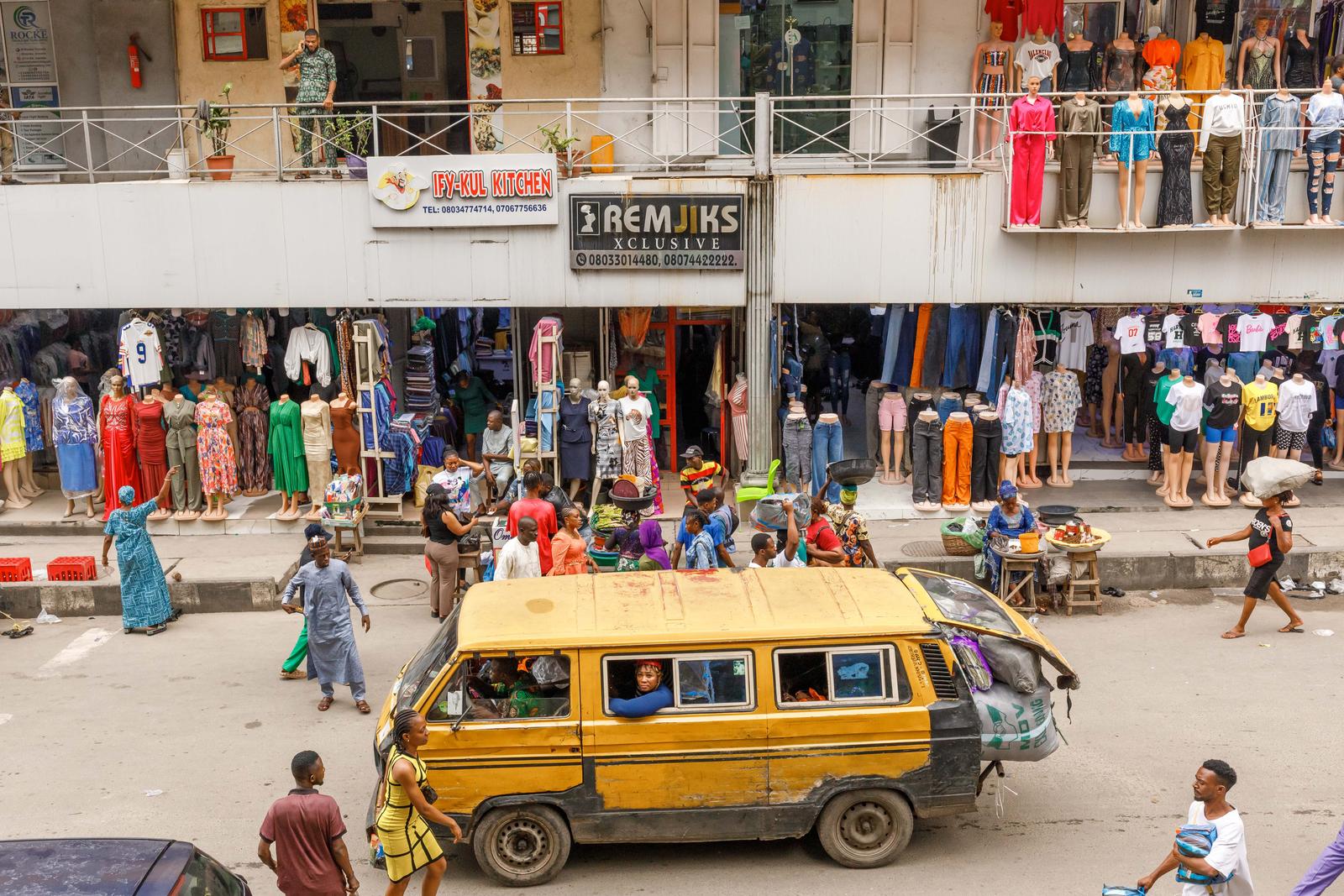

How a road could change West Africa’s urban future
A 600-mile journey along the shores of Nigeria, Benin, Togo, Ghana and Ivory Coast reveals one of the world’s most consequential transformations.
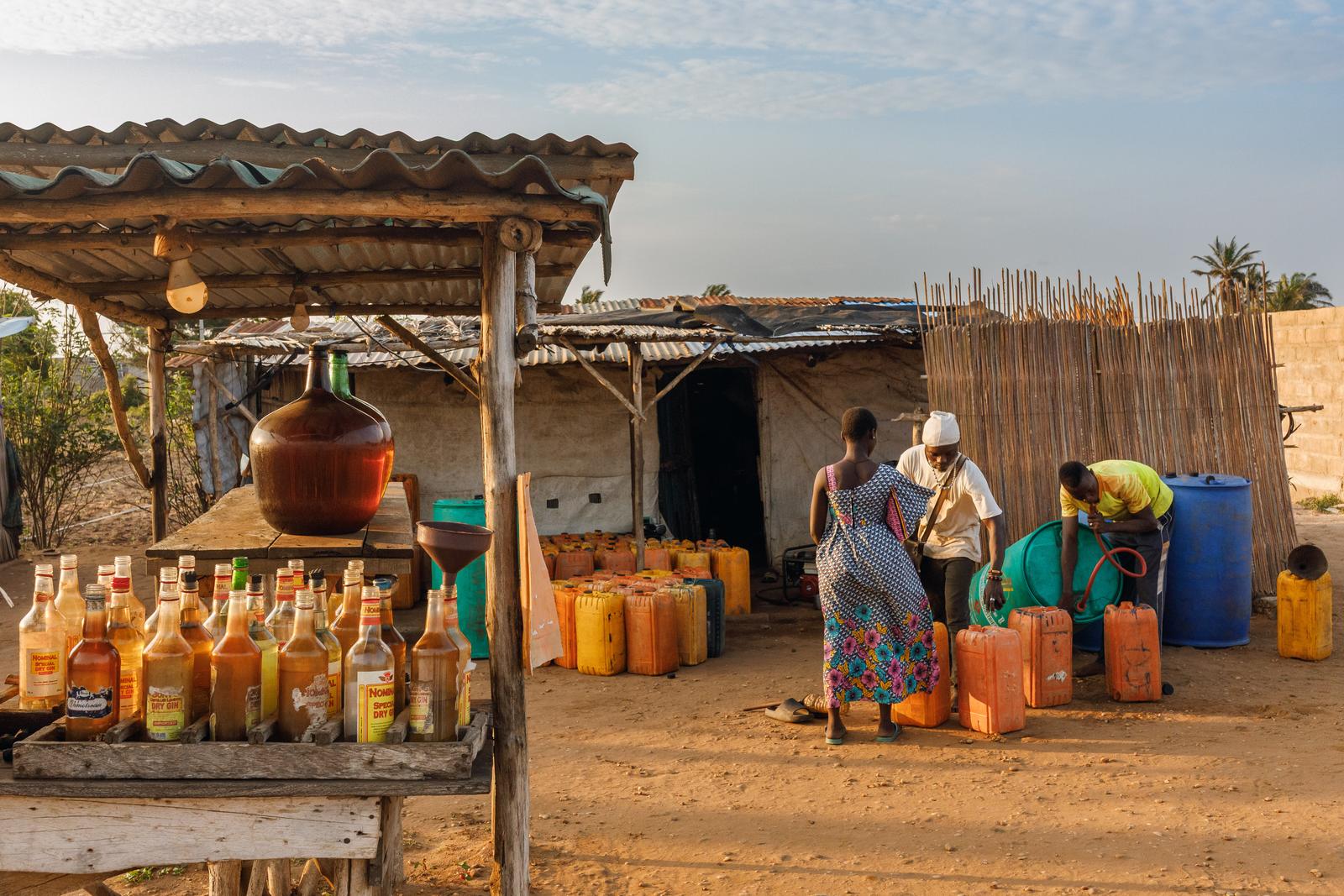
But the vast potential of this region is barely being realized. This has led urban experts to question whether this growth is creating prosperity or new extremes.
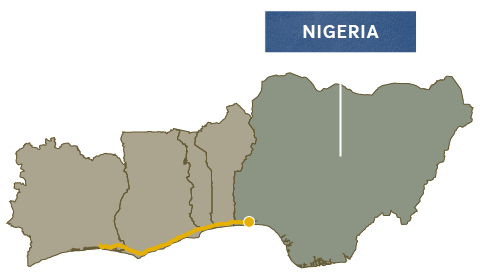
The journey into West Africa’s future begins in Nigeria.
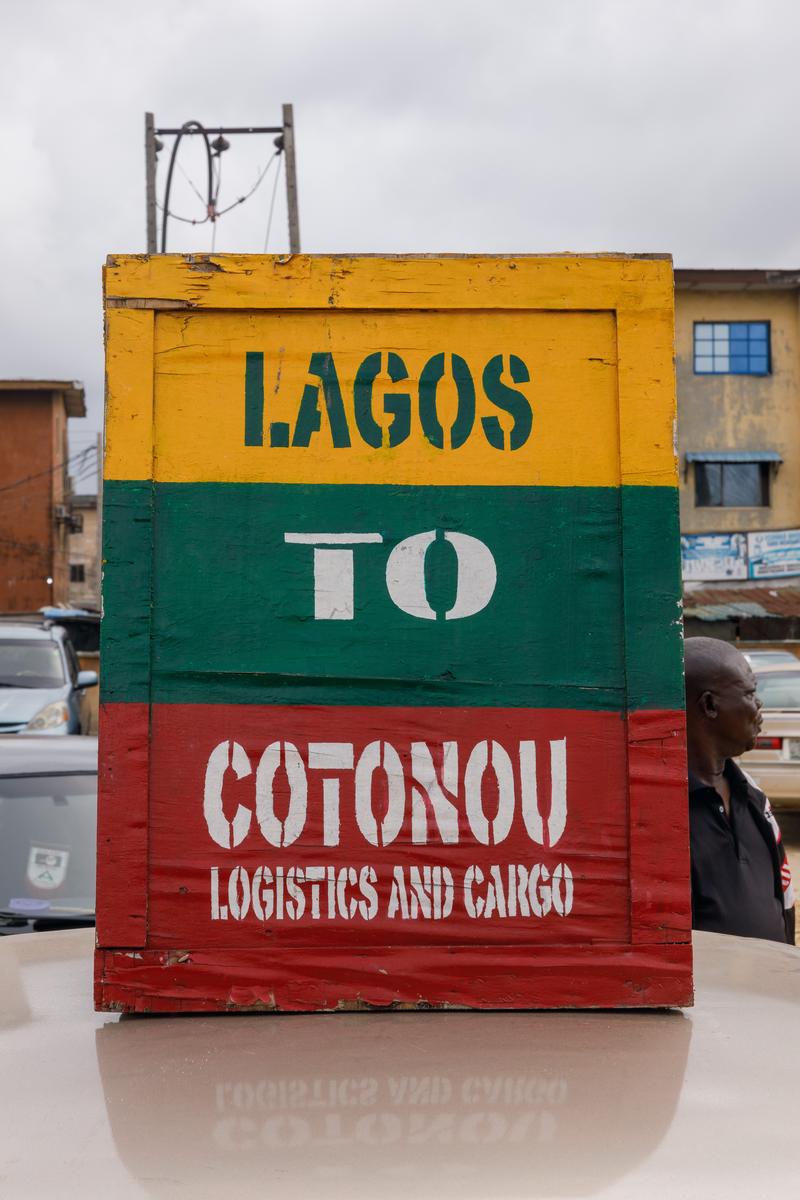
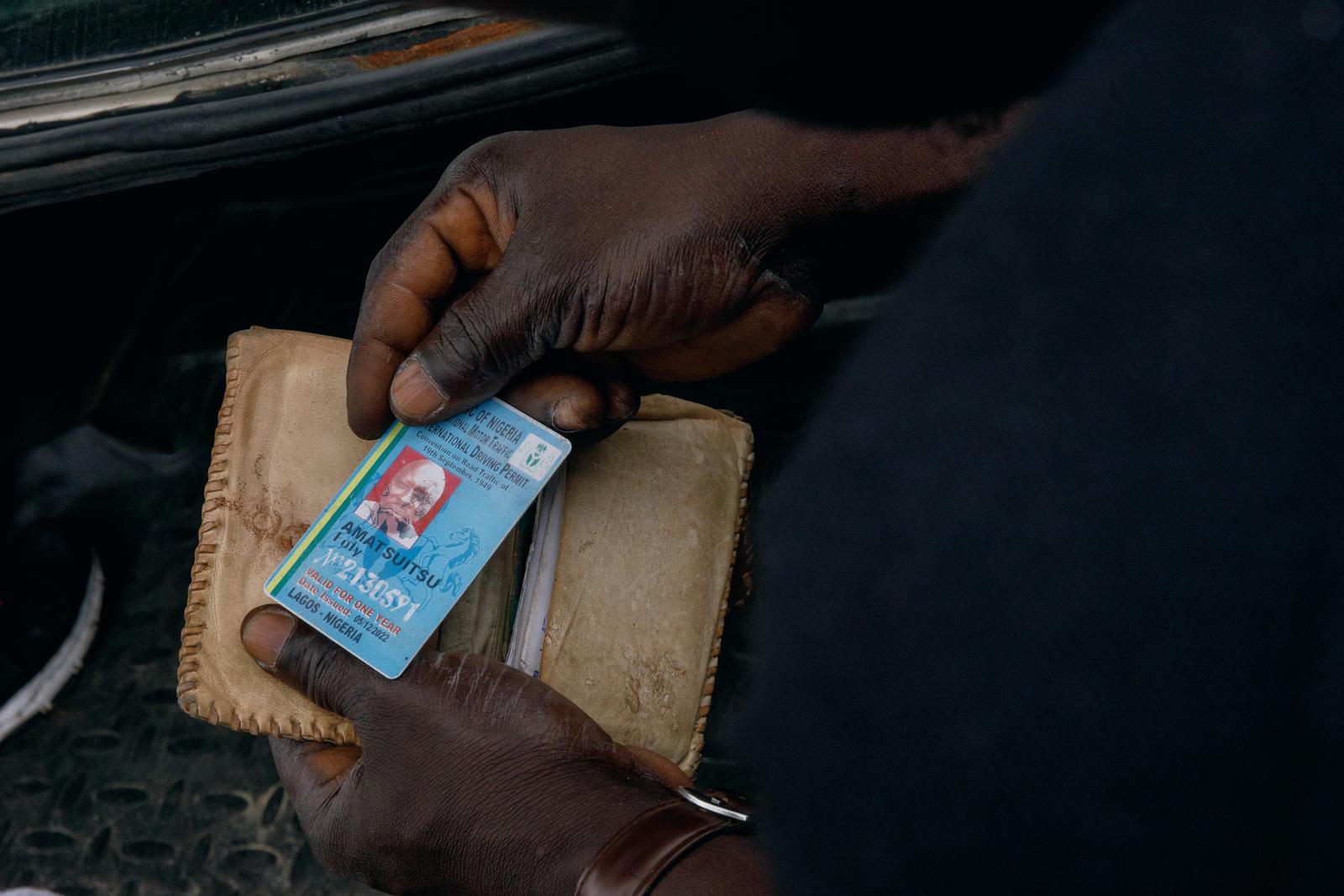
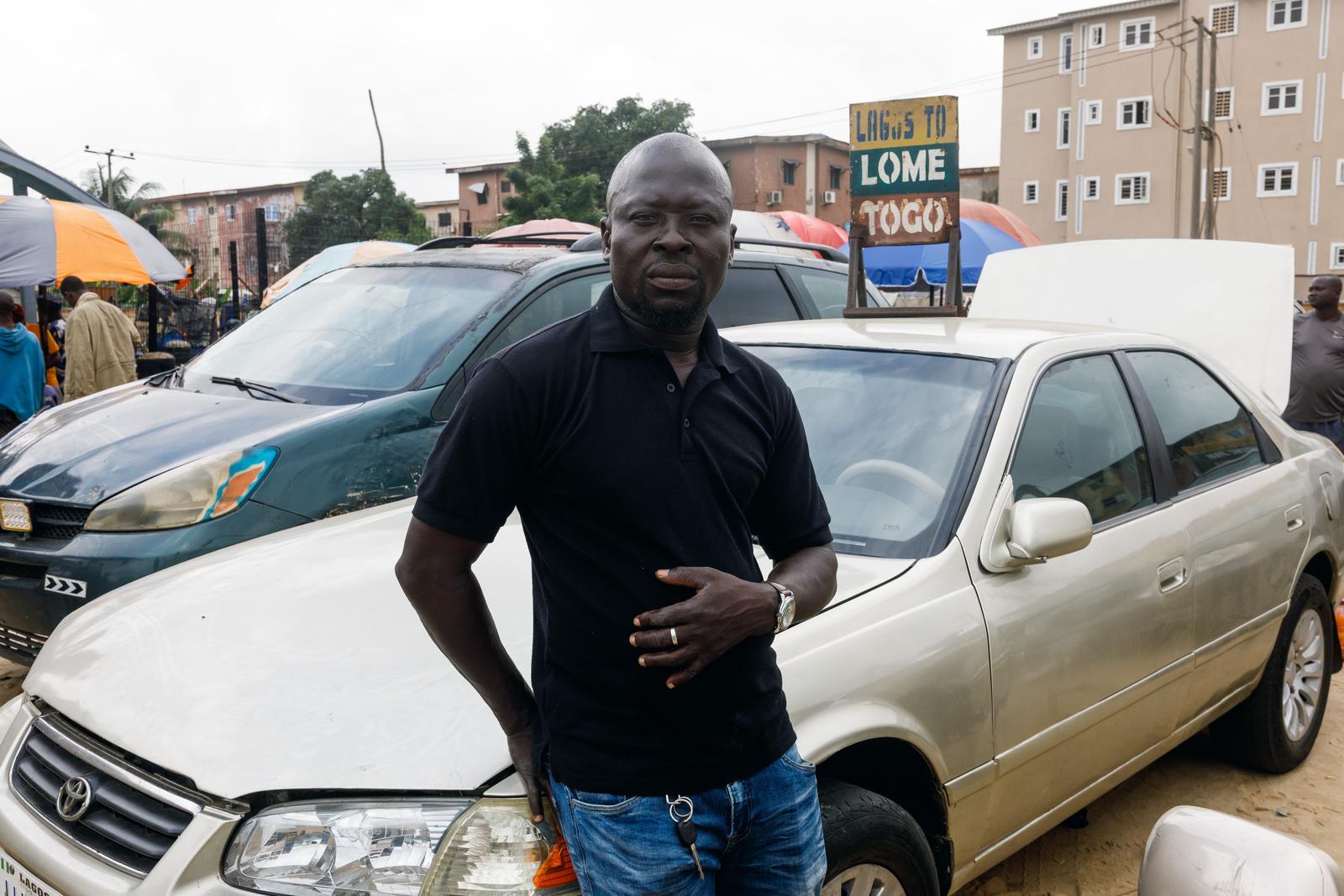
But the swarm of activity masks a stillness. Many vehicles bound for cities along the coast sit empty for days. Drivers like 43-year-old Foly Amatsuitsu wait for passengers who no longer come in the same numbers.
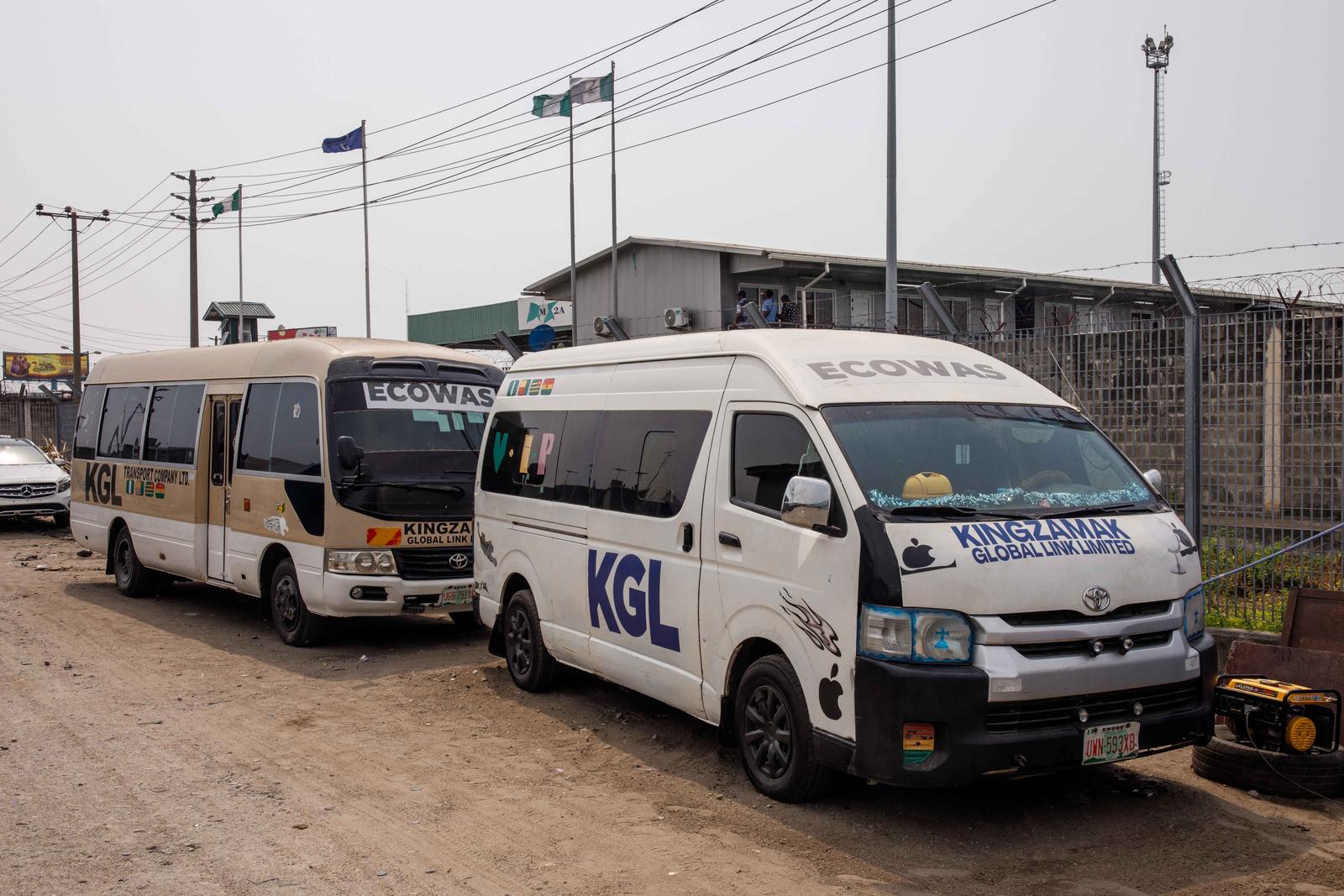
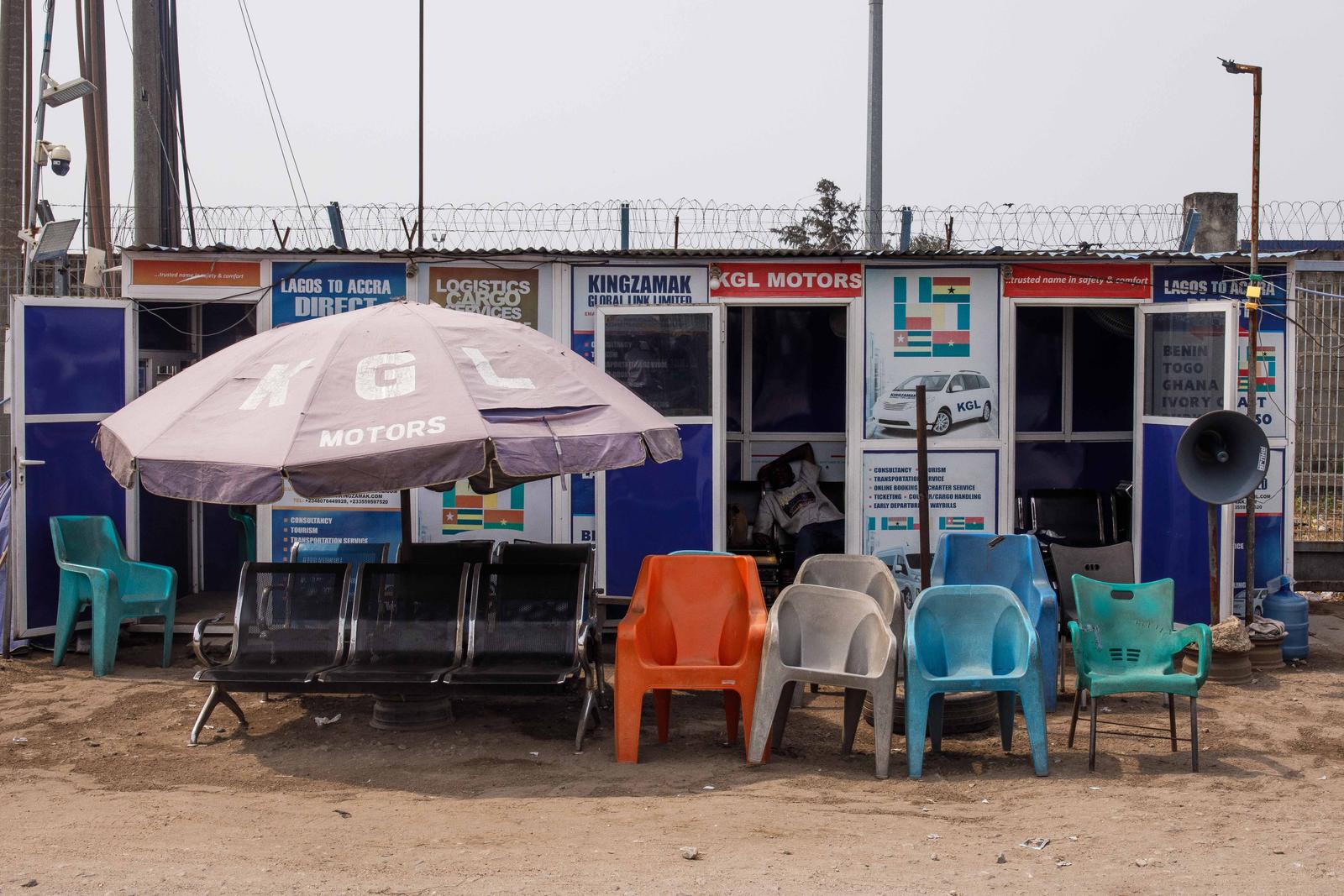
“You can see for yourself,” he says, leaning on the trunk of his beige Toyota Camry and pointing at a row of empty cars with drivers sleeping inside, their feet stretched out through the windows.
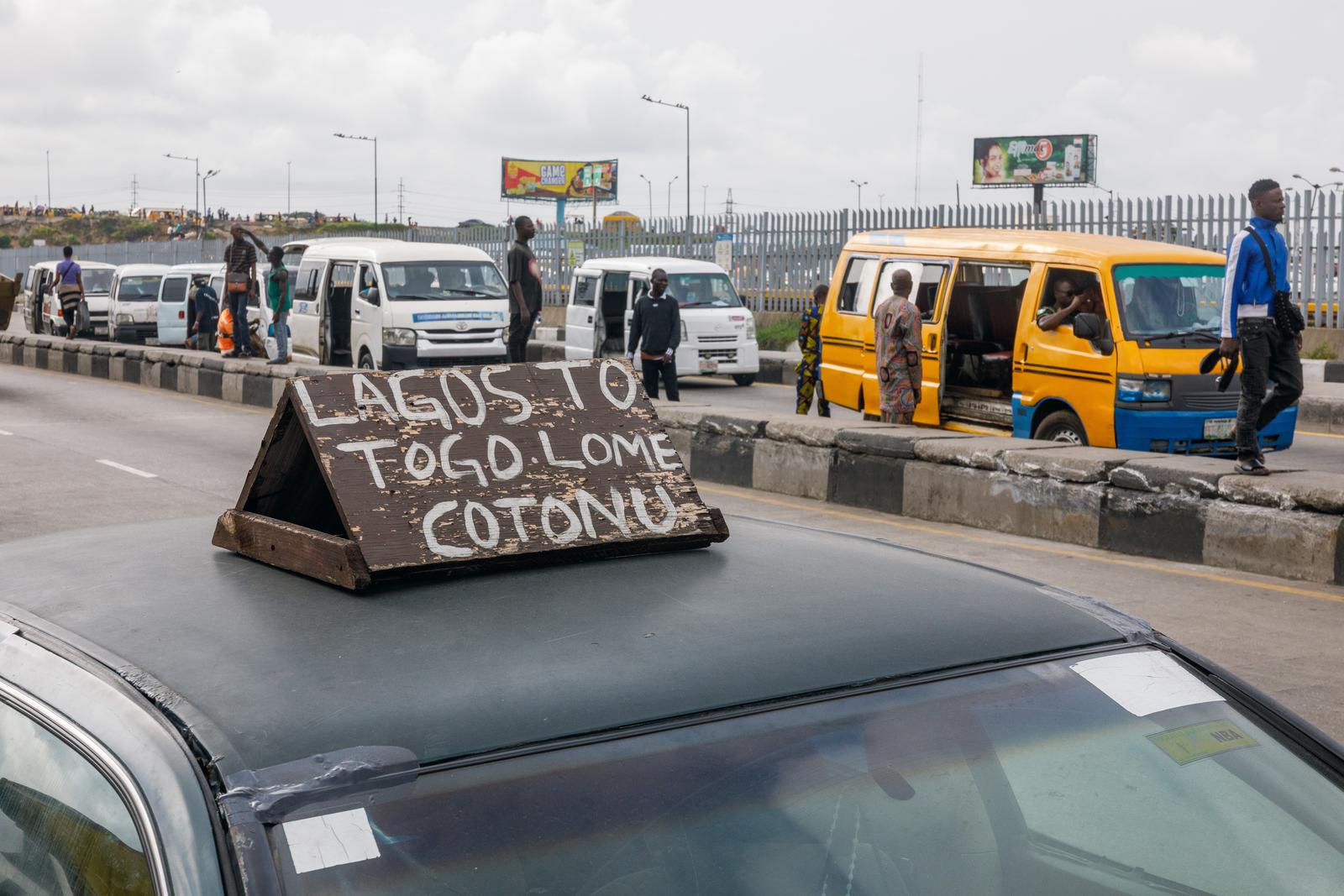
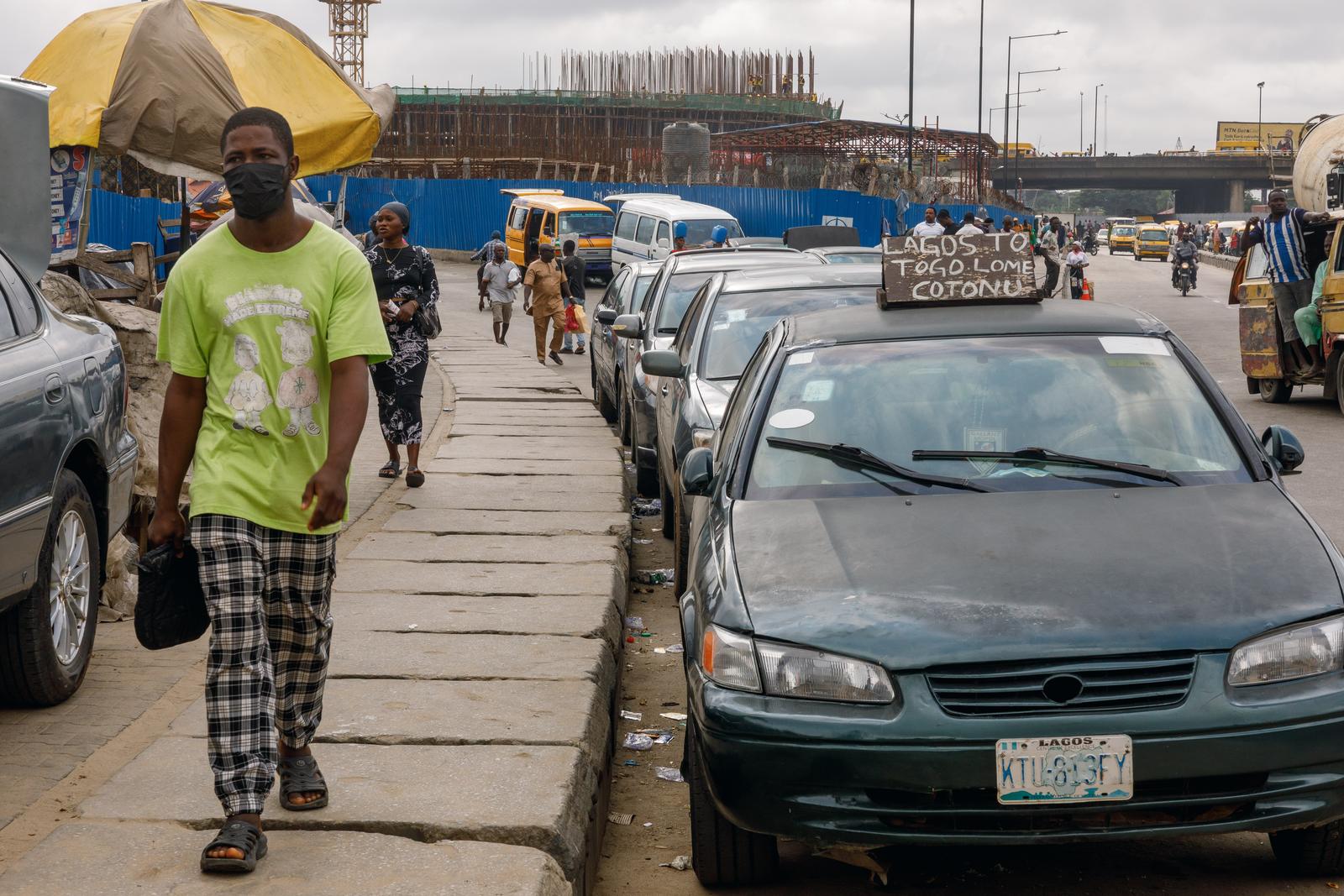
Lagos has long been an integral part of this urban corridor, shaped by historical trade and cultural ties. The cities along the Atlantic coast are linked by a coastal road that is being gradually developed into a $15 billion superhighway.
The project is led by the Economic Community of West African States (ECOWAS), a regional bloc of 12 countries, and is intended to unlock the economic potential of the region.
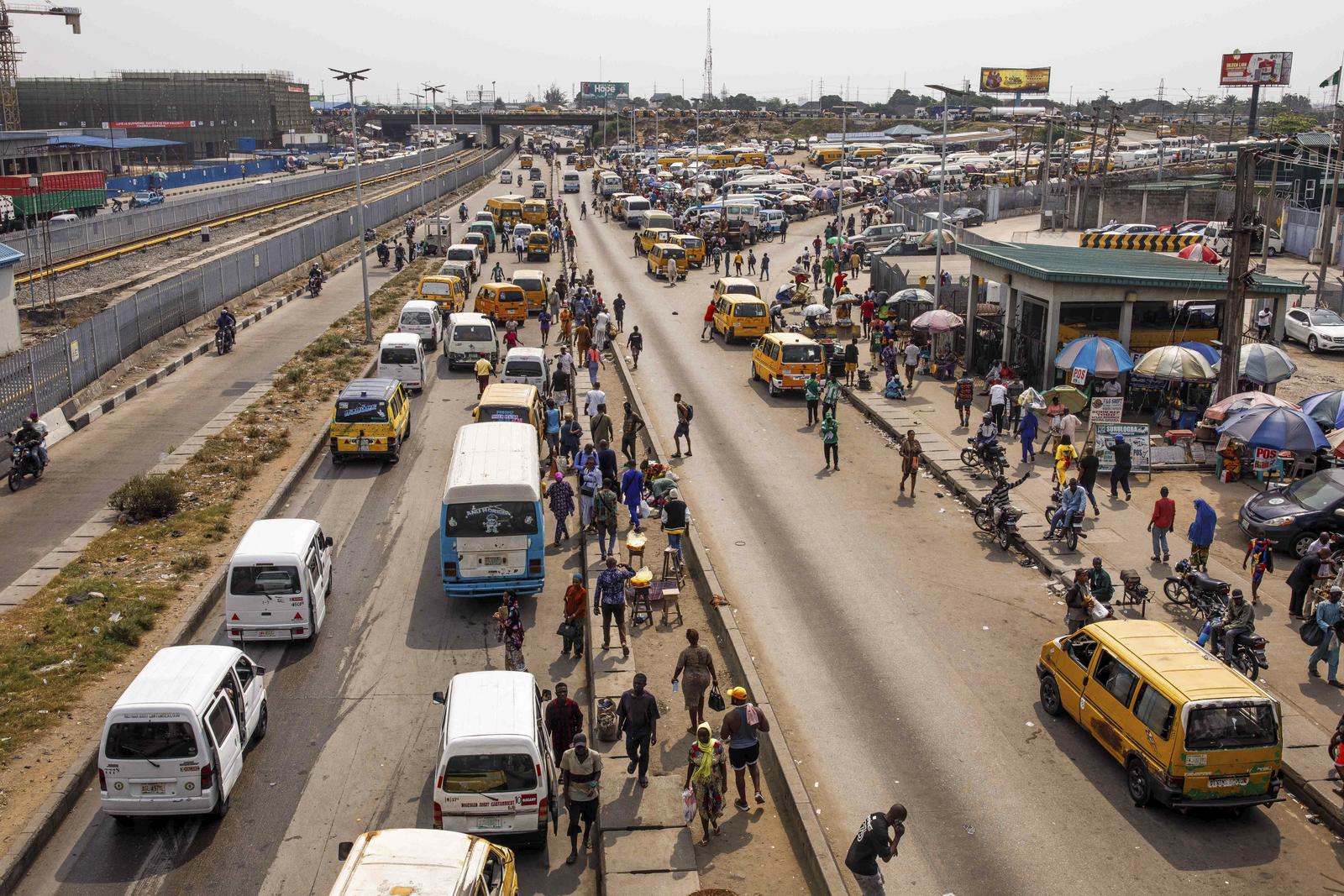
Yet over the last decade, as Nigeria’s economy faltered, the spending power that once fueled trade across the region weakened, affecting traders and transport workers not only in Lagos but throughout the interconnected coastal corridor.
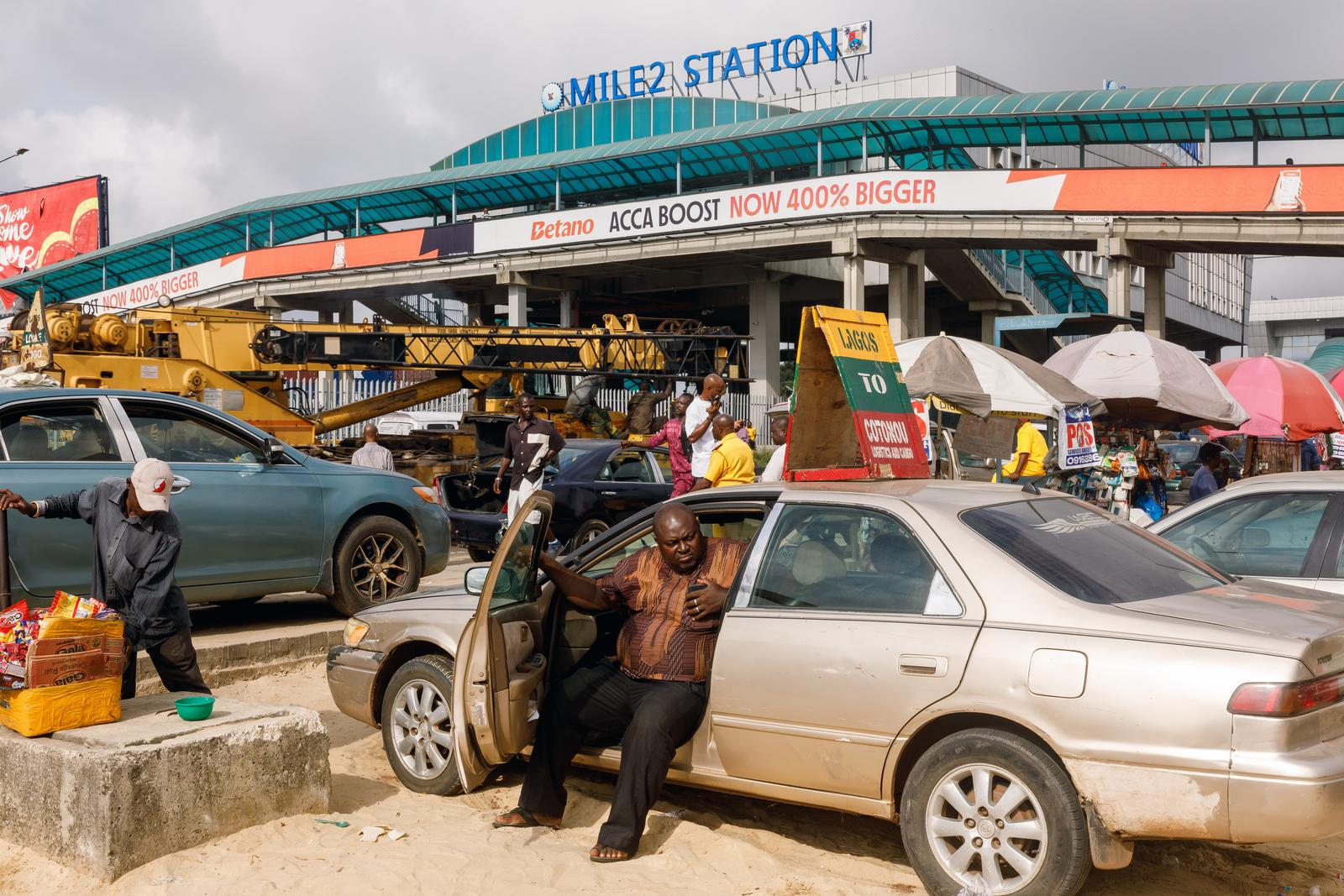
So the number of traders hauling an array of goods, from electronics to cosmetics to fabrics, from ports to many of the major markets in the region, has declined.
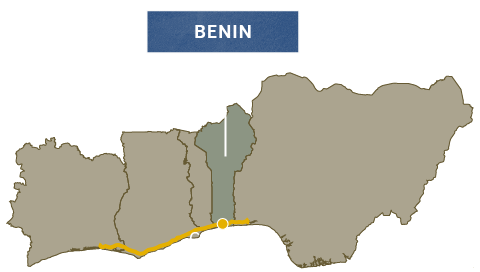
Farther along the Atlantic coast, Benin is undergoing arguably the most dramatic change.
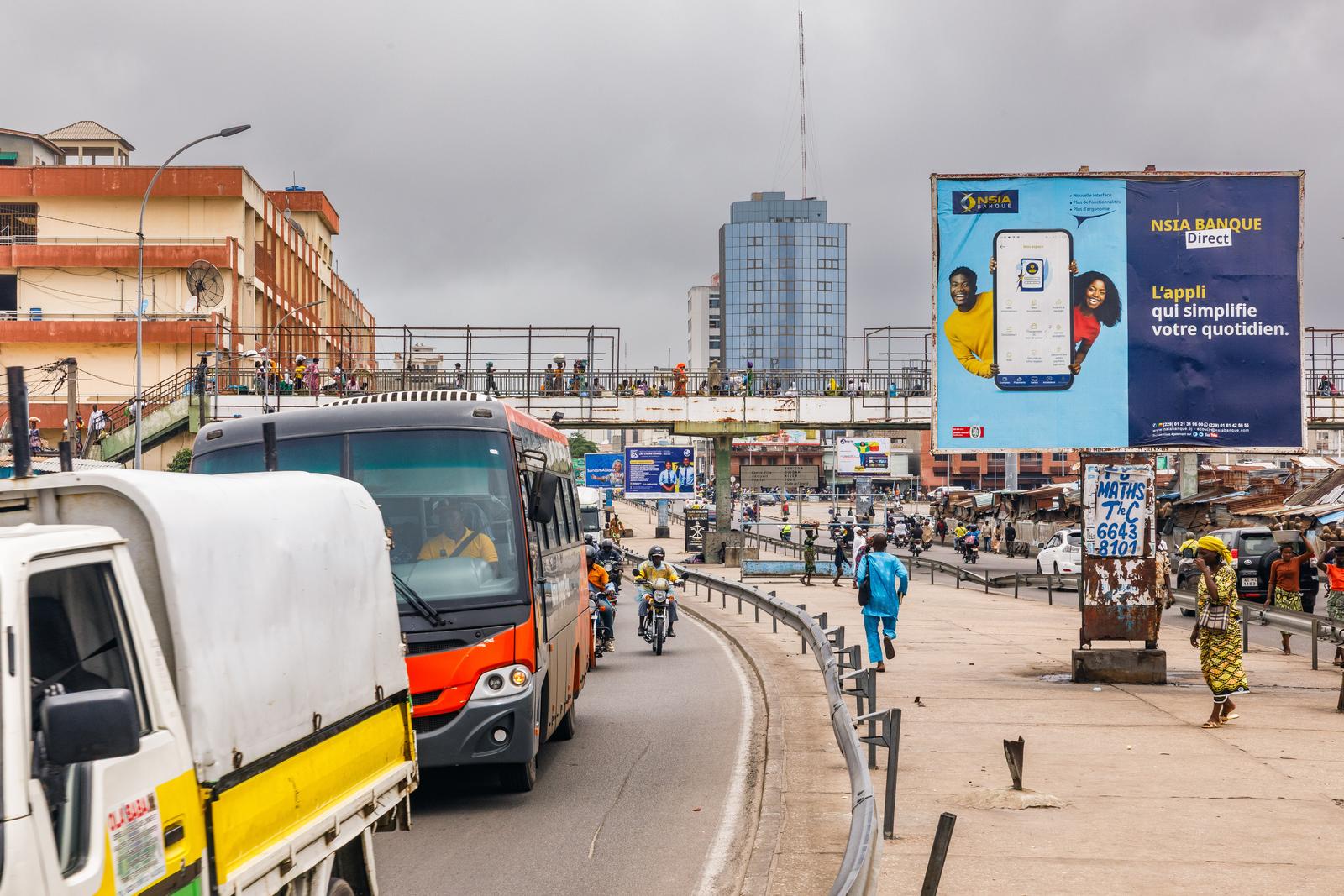
While it’s much smaller than many of its neighbors, new enterprise, tourism and coastal development are transforming its major cities. At the heart of it is the commercial capital, Cotonou, a bustling city of about 800,000 people.
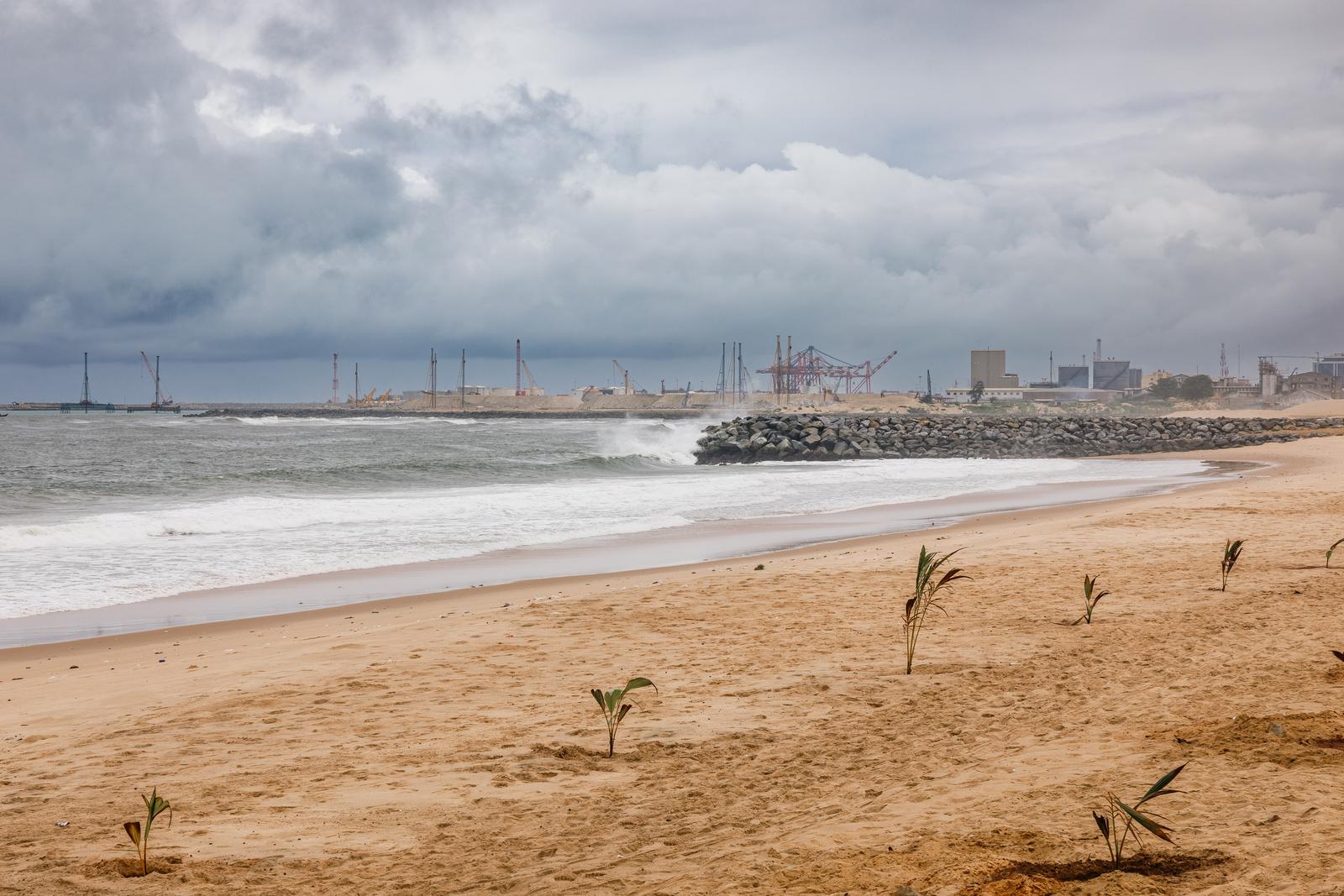
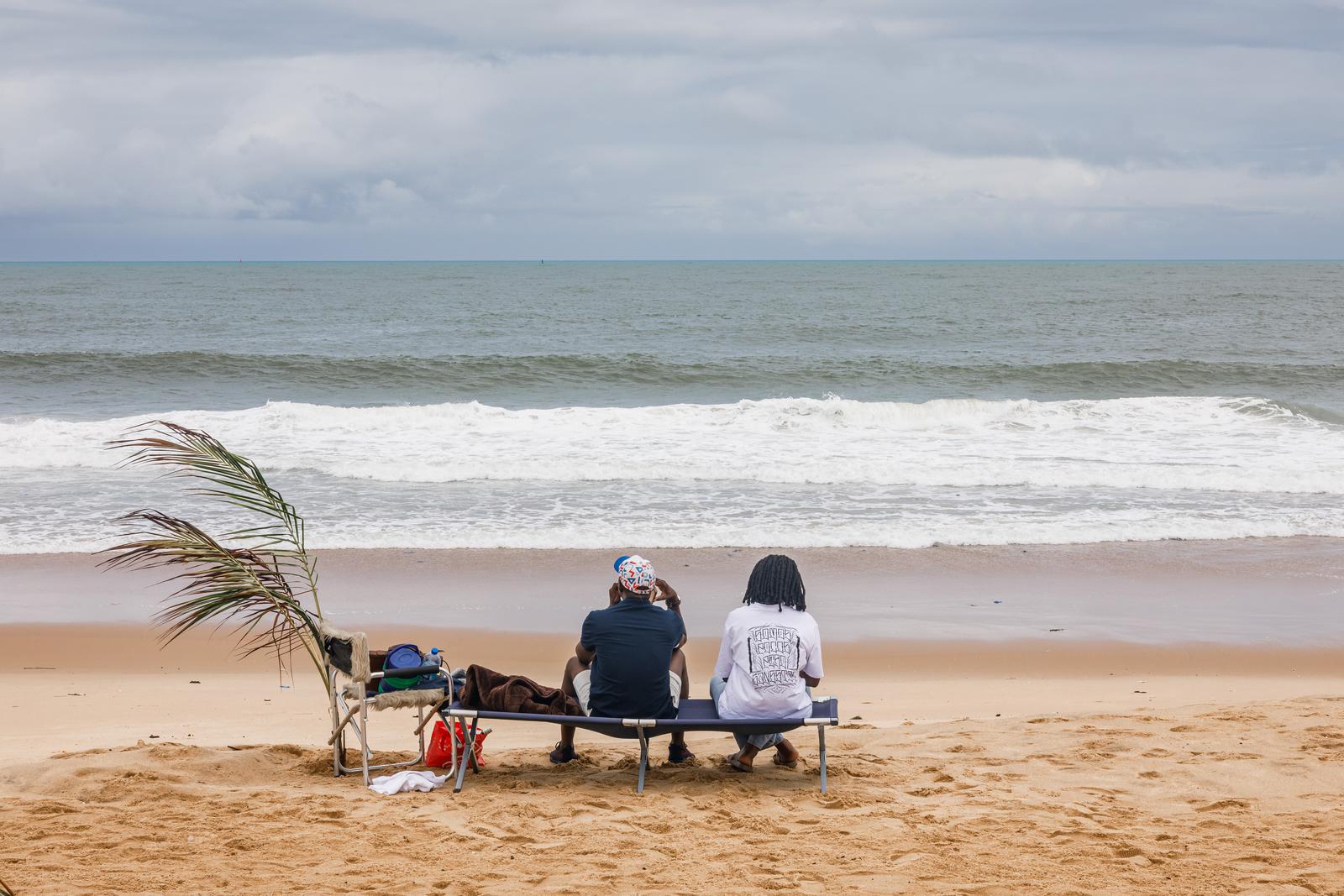
Cranes dot the coastline from Cotonou to the historical city of Ouidah, a 25-mile stretch where new restaurants, waterfront bars and tourism are emerging. New concrete paths and even pebble walkways for barefoot, therapeutic walks have been built along the shore.
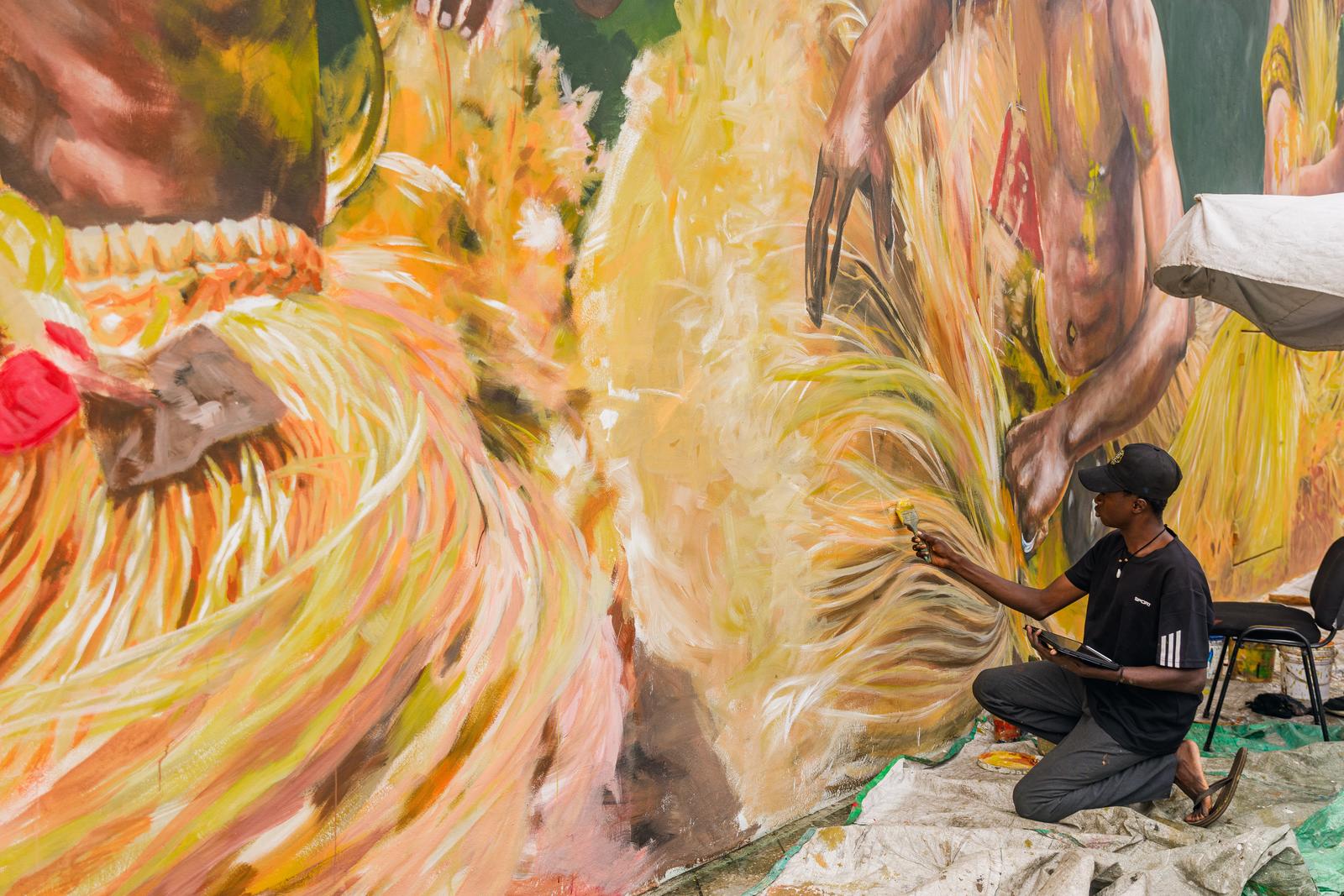
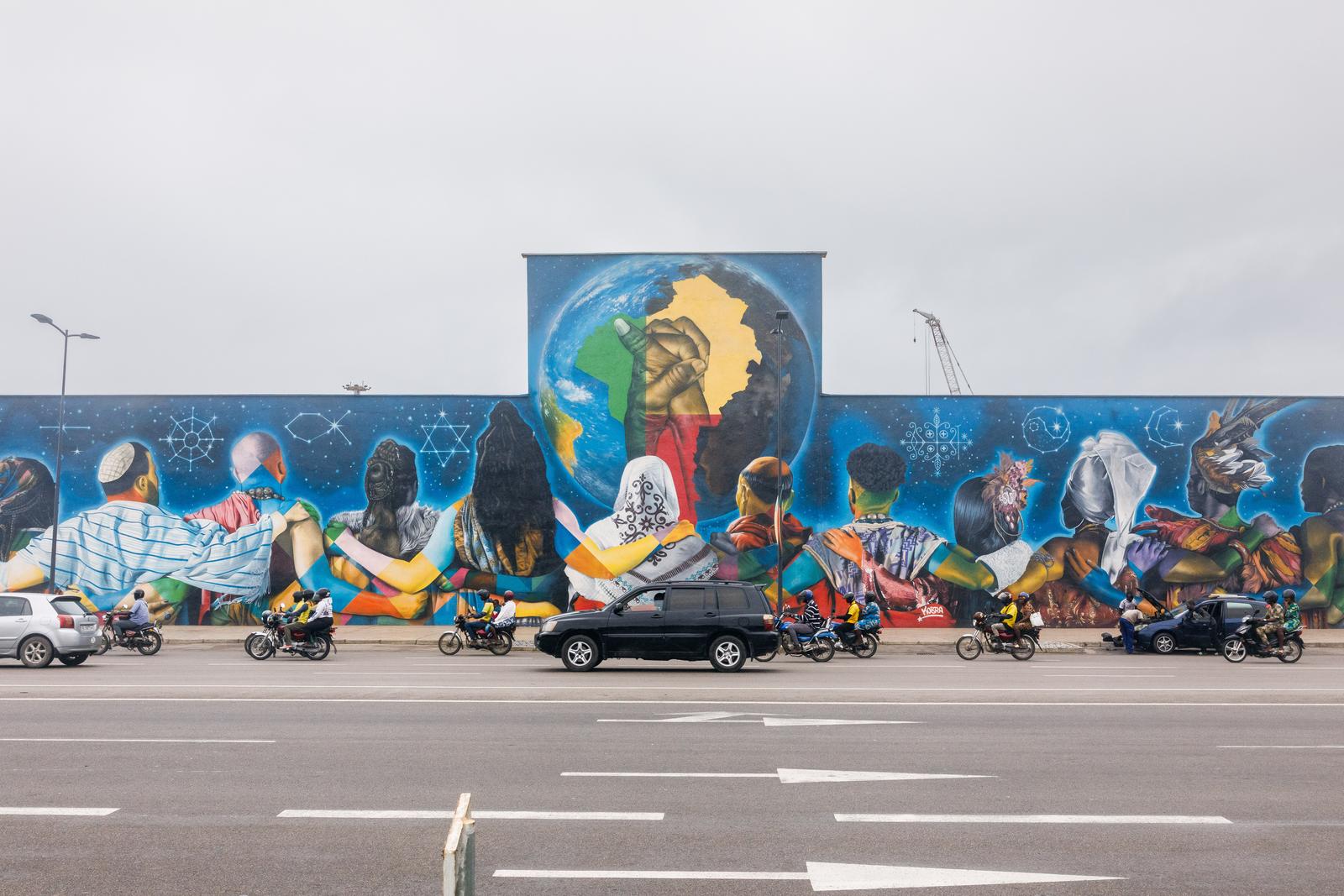
Young artists work through the day, painting a mural along a half-mile “graffiti wall” running through the commercial capital.
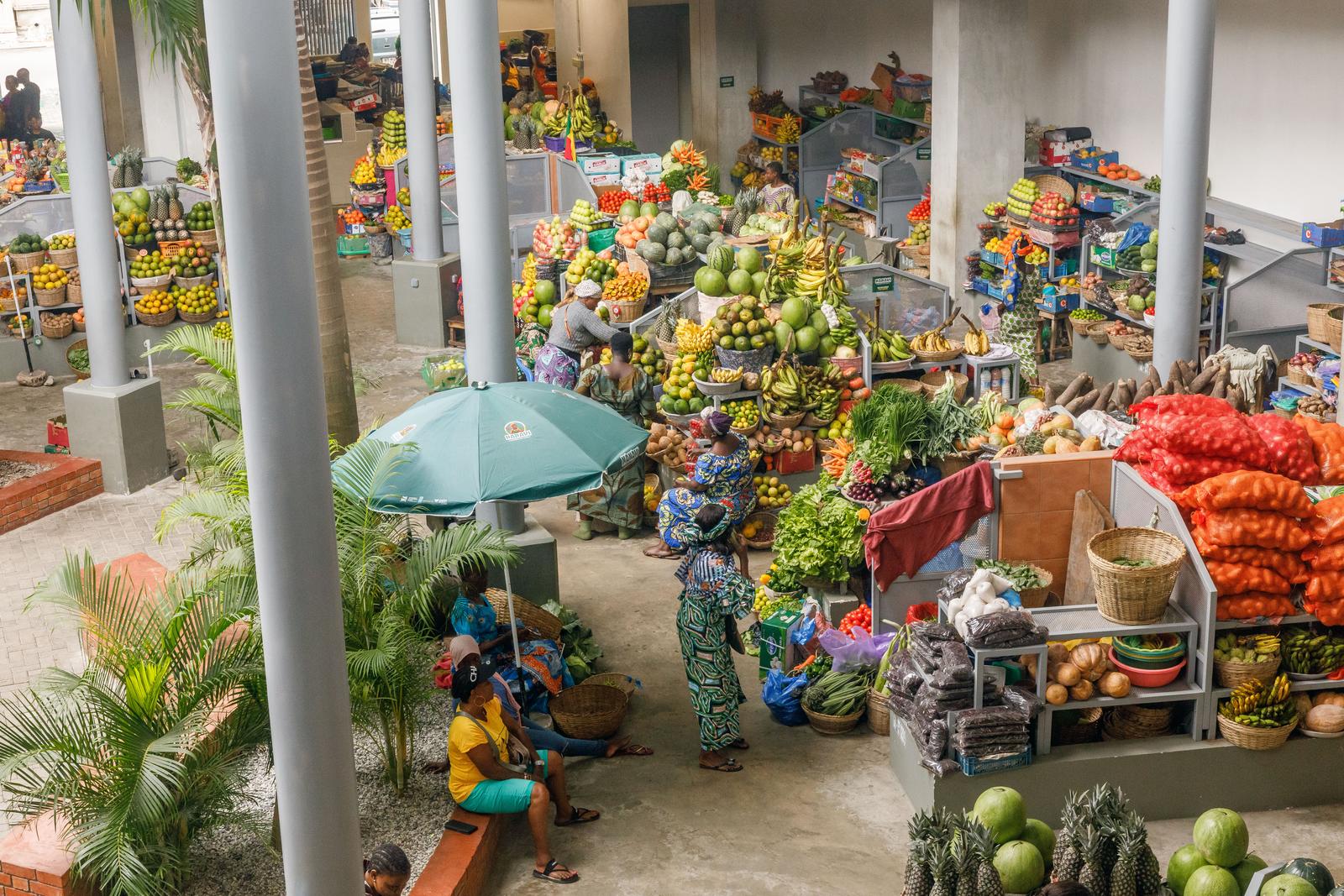
Major markets across Benin are also being reconstructed, with what the government calls new “eco-modern” structures, inspired by Indigenous and climatic architectural traditions.
In December 2024, the government opened the newly rebuilt Marché de Ganhi in Cotonou, a two-story structure with hundreds of stalls and celebrated as a model of how commercial spaces can be developed in West Africa.
Benin’s economy has benefited from its proximity to much larger countries. But in recent years, it has moved to become more self-reliant.
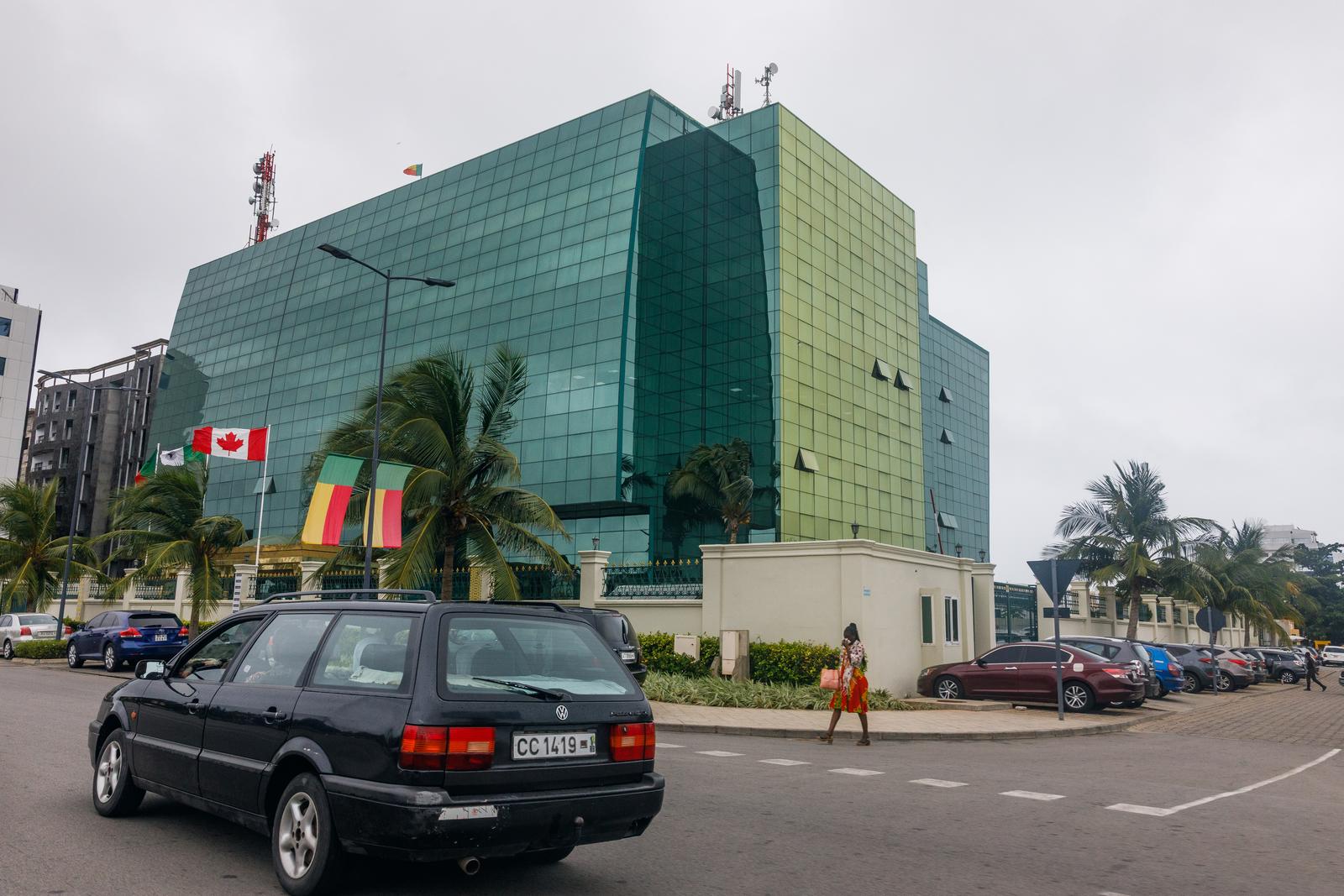
New trade zones prioritizing local manufacturing, as well as new hospitals, schools, museums and markets, are the result of a major investment drive under the recently departed government of former President Patrice Talon.
He oversaw what some economists describe as a modest transformation of the small West African country, which newly elected President Romuald Wadagni has vowed to continue.
But amid the growing development, international human rights groups have decried a government clampdown on critics, in one of the region’s more stable democracies.
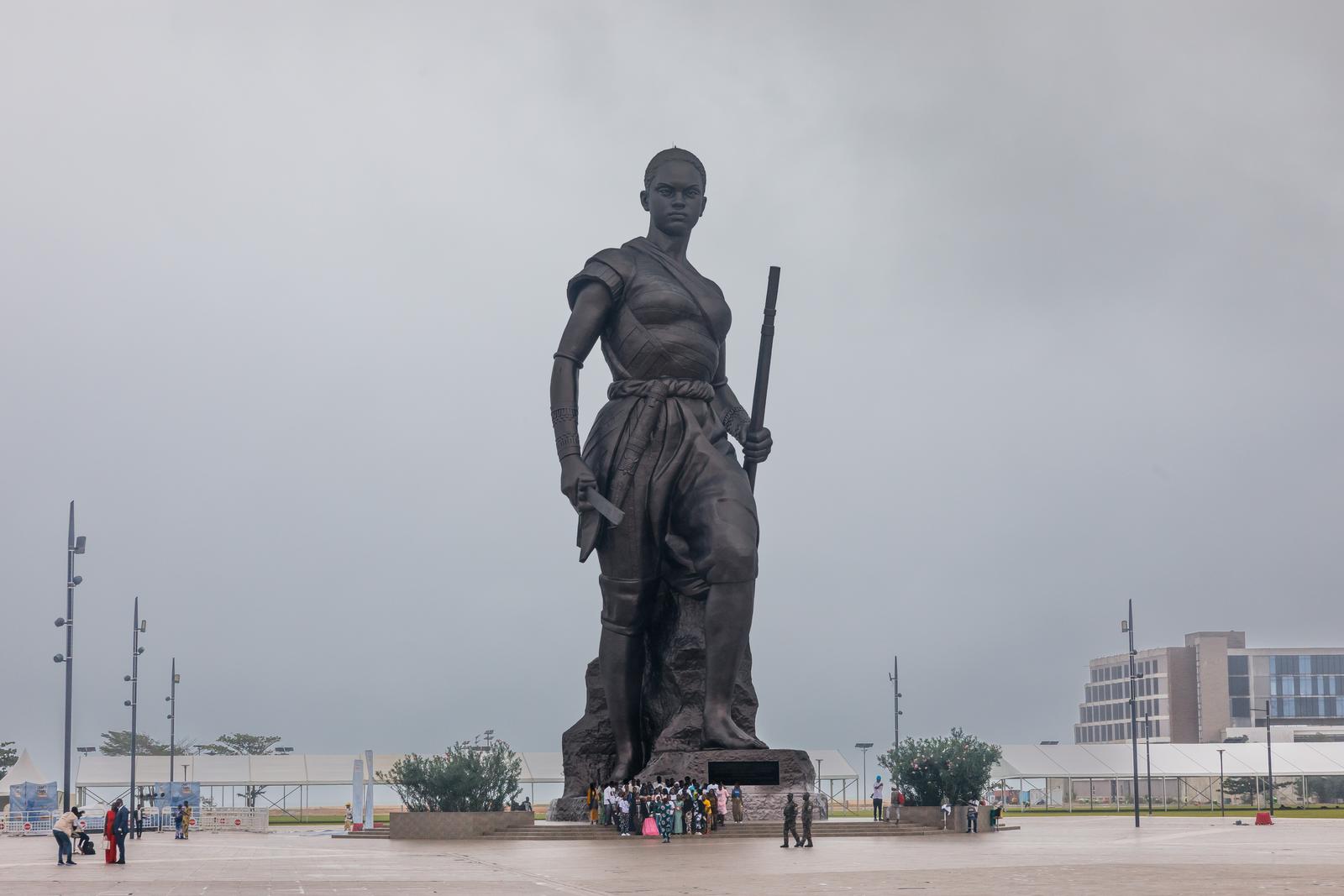
Caption: The towering, 100-foot-tall Amazon Monument in Cotonou, in honor of the Dahomey Amazons — an elite female military unit in the precolonial Dahomey Kingdom.
An increasingly authoritarian environment, according to human rights groups, has muted public frustration with the government. Igniting anger have been increased taxes on Benin’s informal economy, which accounts for about half the country’s gross domestic product, according to the International Monetary Fund.
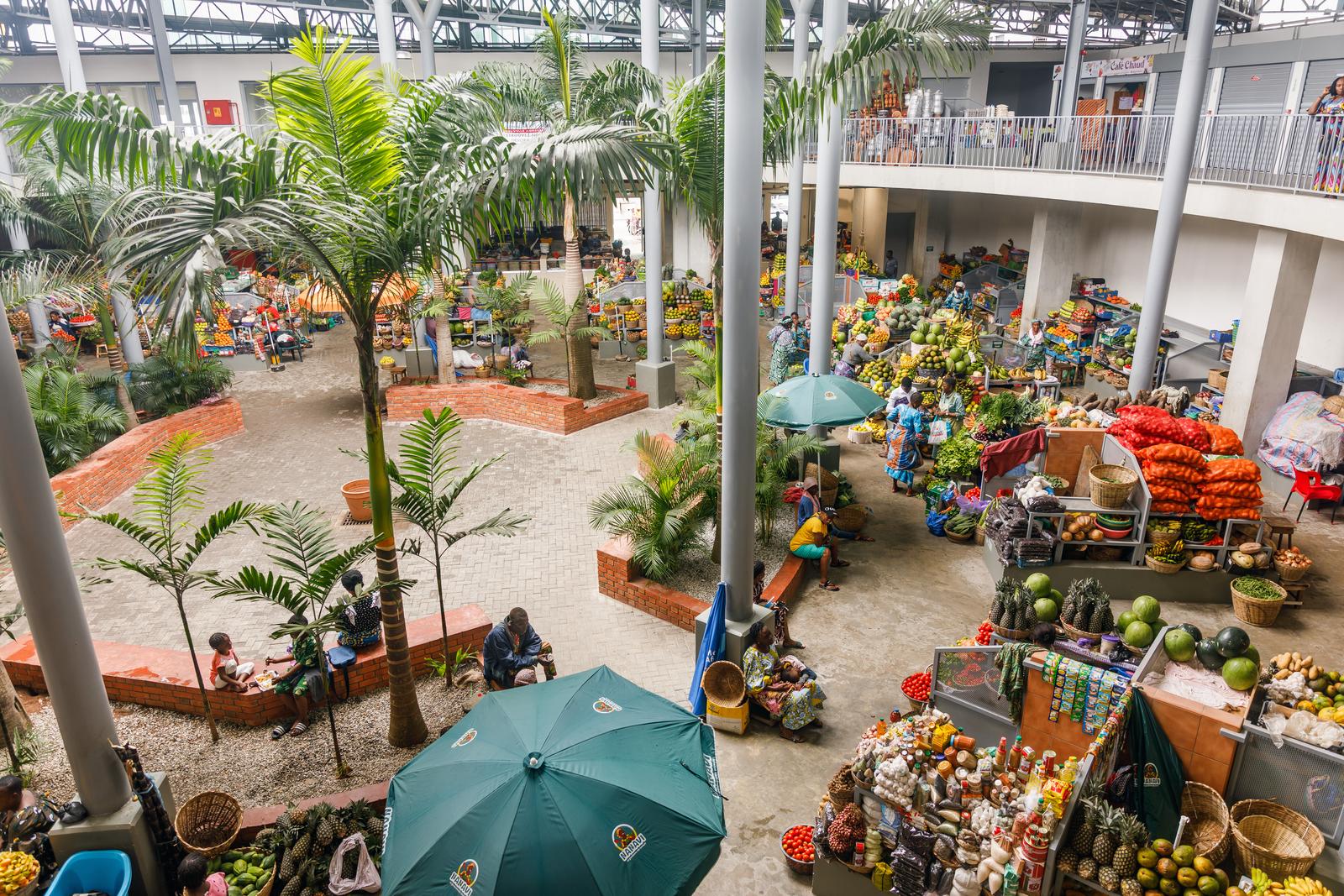
While frustration with the government is rarely discussed openly, it bubbles below the surface of daily life.
Antoinette Hudou, 45, sells groceries on the upper floor of the market, at the Marché de Ganhi. “People are struggling,” she says. “I’ve been here since 7 a.m. — it’s 3 and no one has come,” she says. She also laments the higher cost of imported goods she sells, like pasta and tomato puree.
While the major structures in the country undergo a face-lift, many Beninese quietly bemoan the lack of spending power. More than a third of its 15 million people still live in poverty.
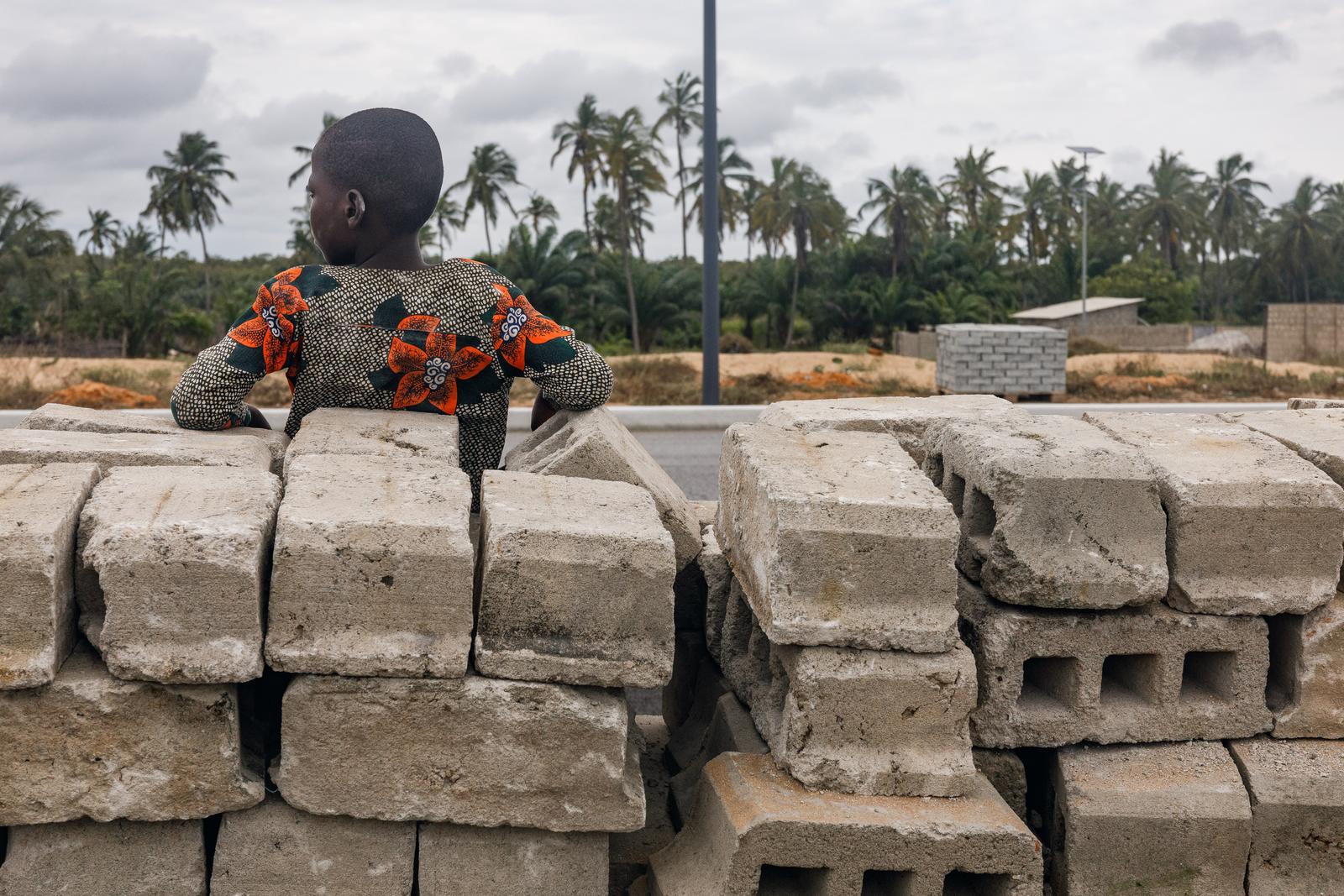
And even the new infrastructure and development in Cotonou and other cities come at a cost.
New structures have displaced thousands of residents, especially the city’s poorest people.
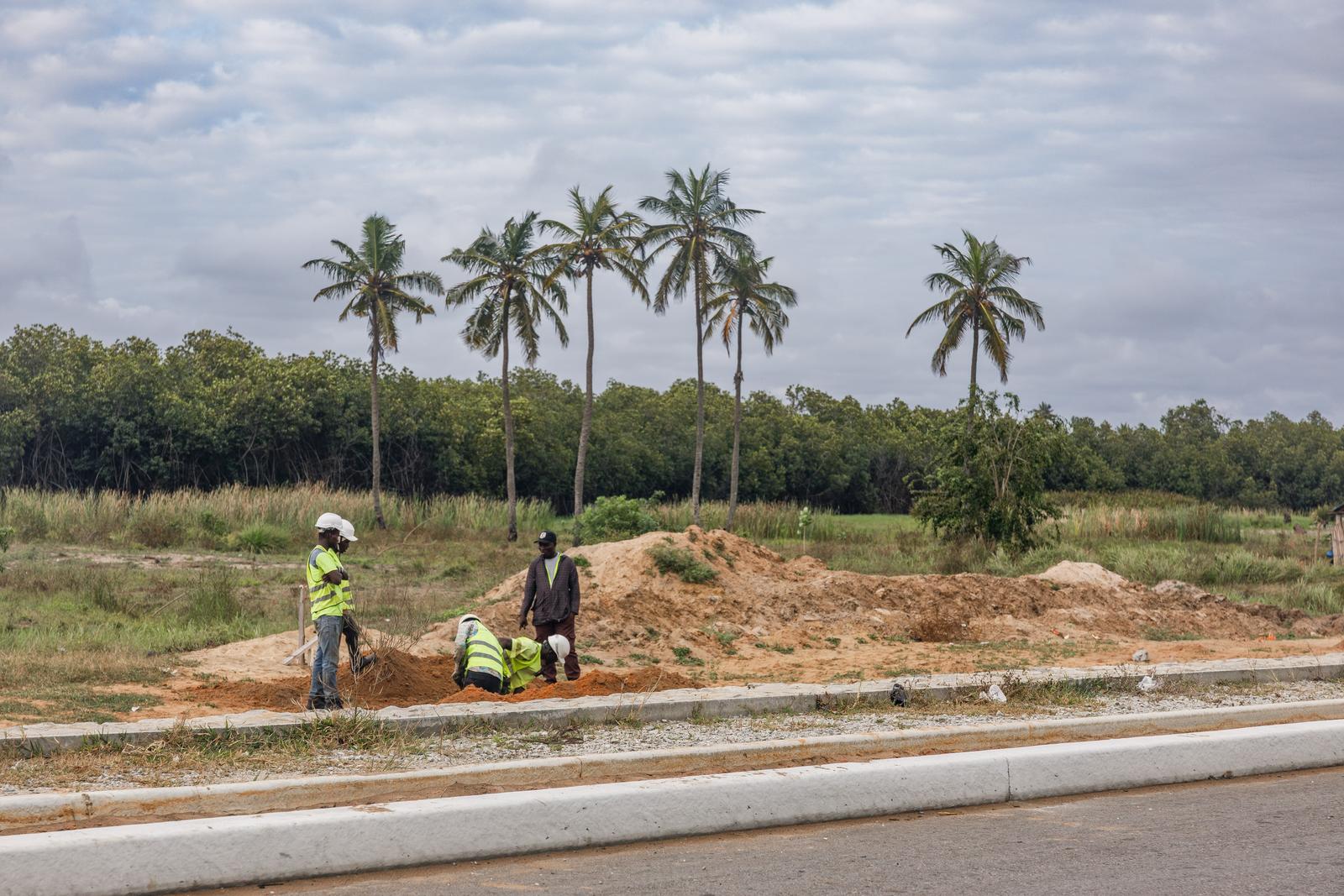
On a drive along the Atlantic coast from the rapidly developing outskirts of Cotonou to Ouidah, NPR witnessed hundreds of destroyed beachfront structures that communities said were illegally demolished that week, including a clinic.
Benin’s government did not respond to NPR’s requests for comment.
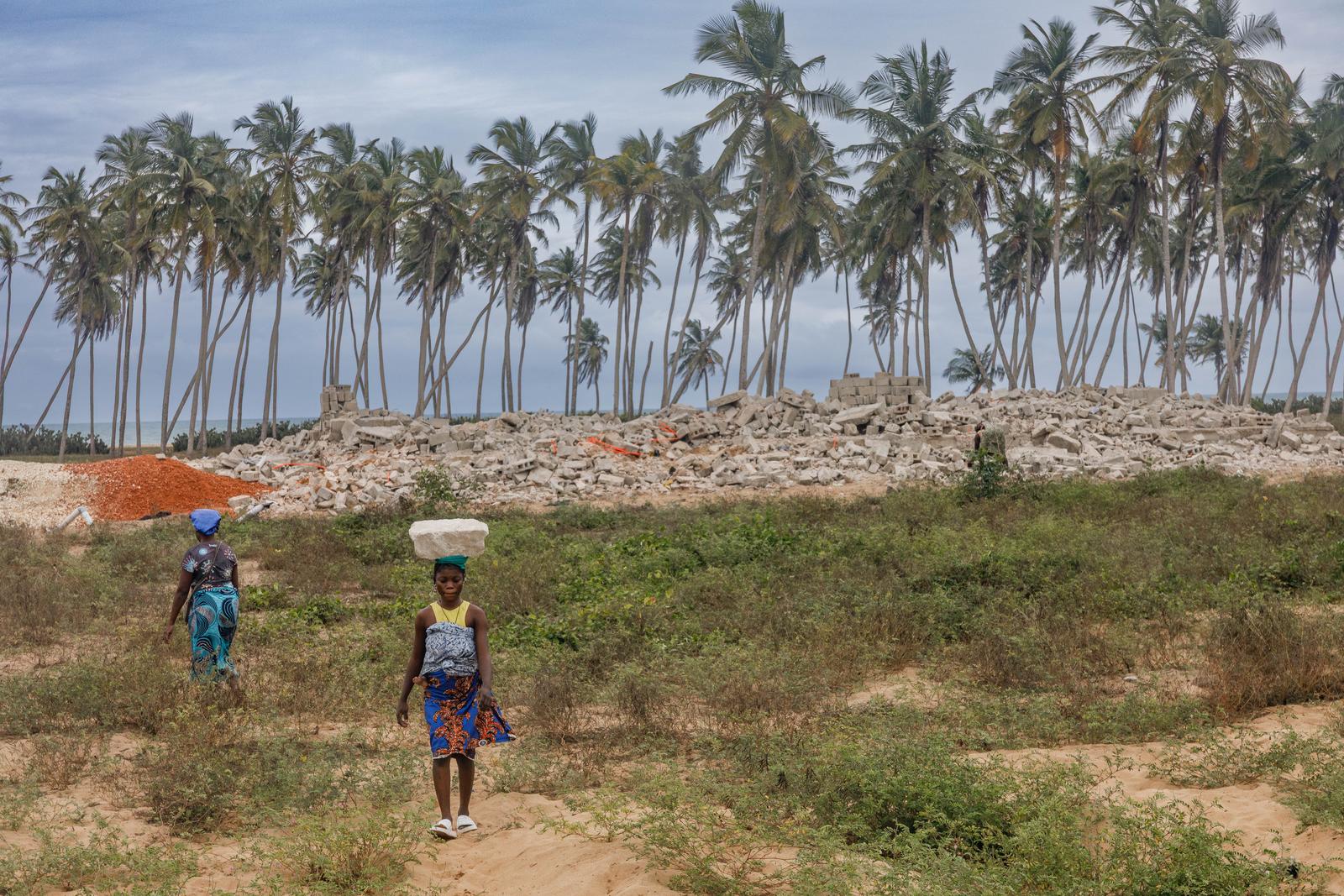
Scores of residents were still searching the debris, salvaging personal belongings. Others gathered broken cement blocks from destroyed structures, carrying them on their heads, to rebuild elsewhere.
The site is at the heart of government plans for beachfront tourism, in the form of new restaurants and bars along the route to Ouidah.
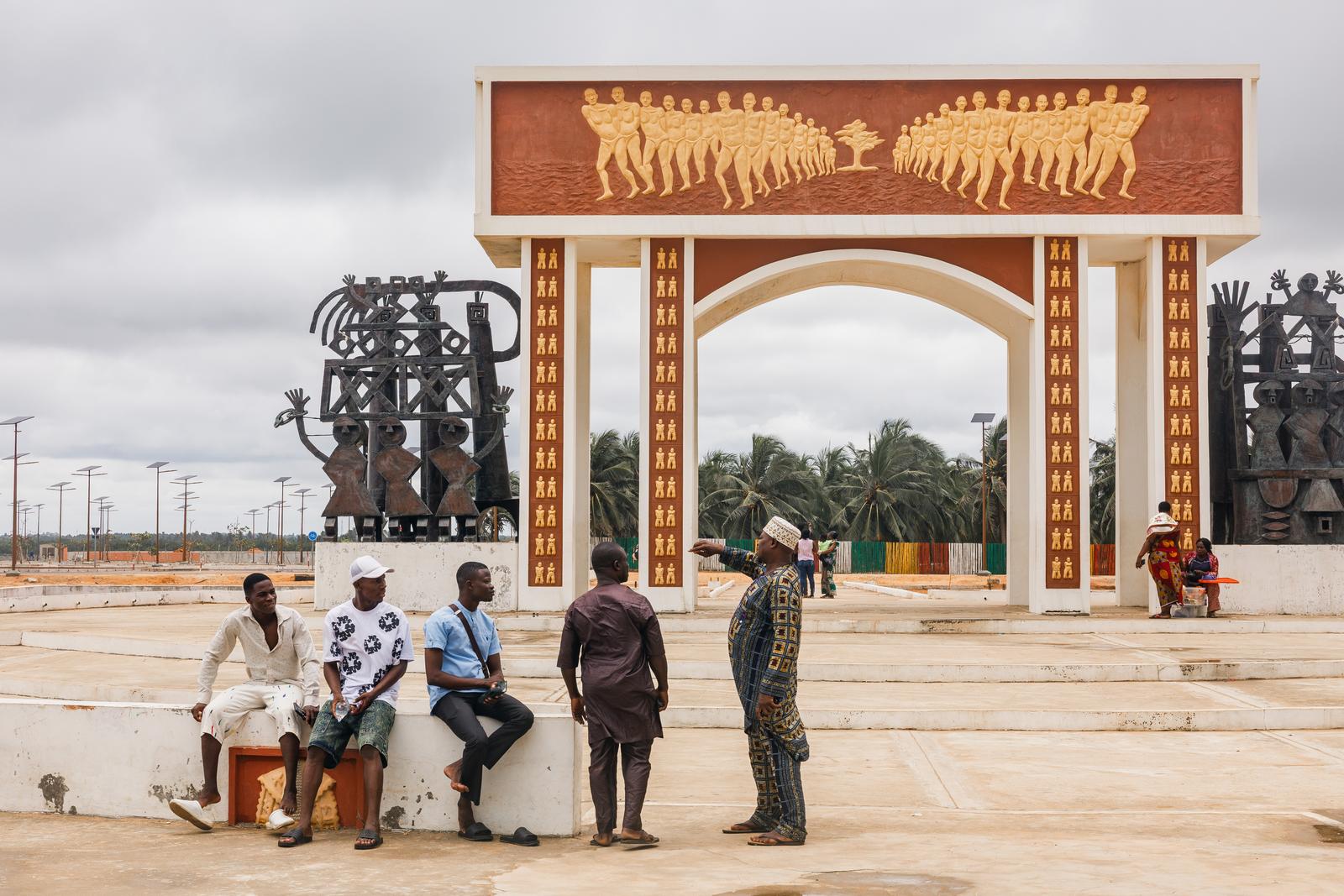
Benin has positioned itself as a premier destination for Black visitors from countries like the United States, as they explore their African heritage and the brutal history of the trans-Atlantic slave trade. More than a million Africans were held and taken to the Americas for slavery from Ouidah’s port.
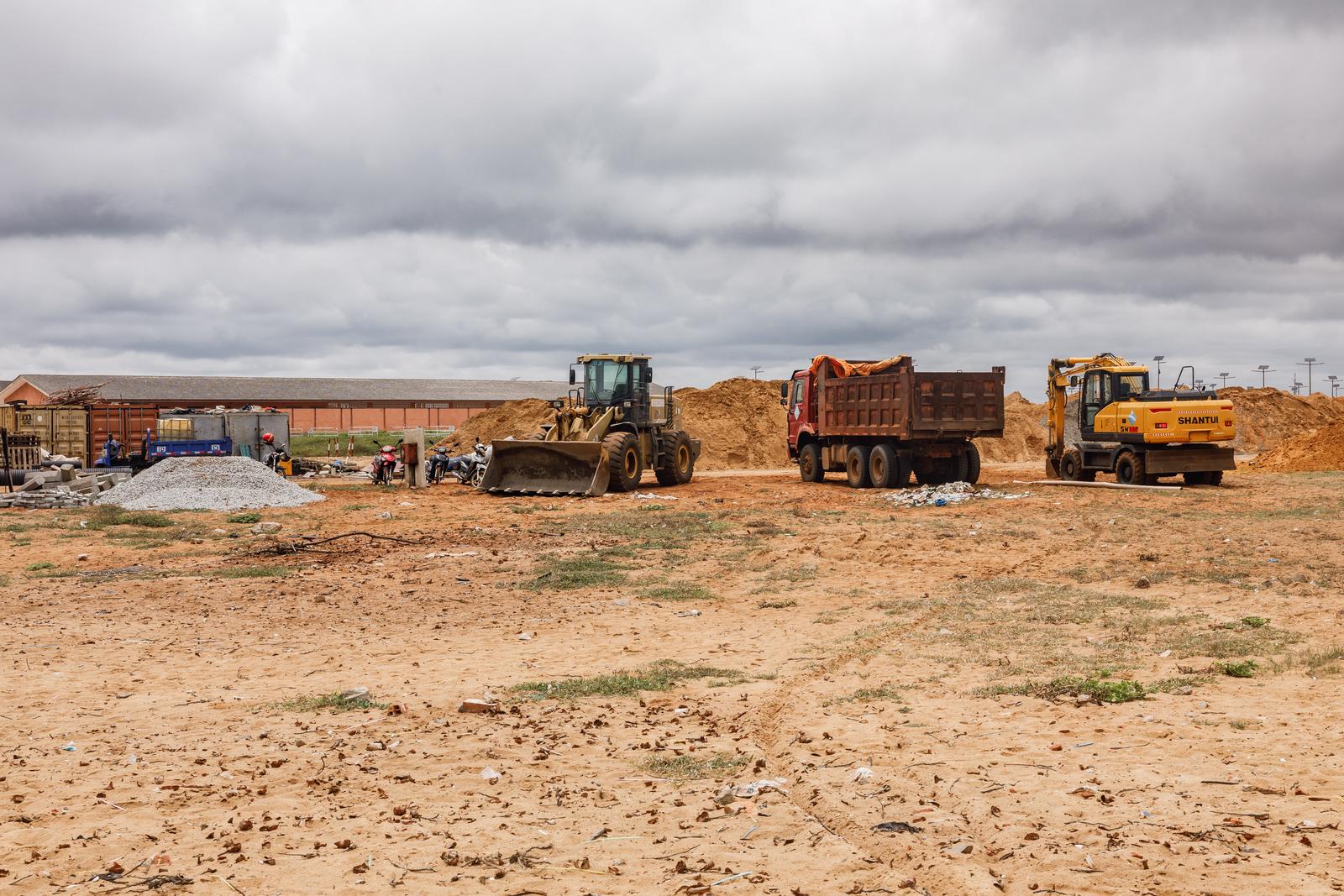
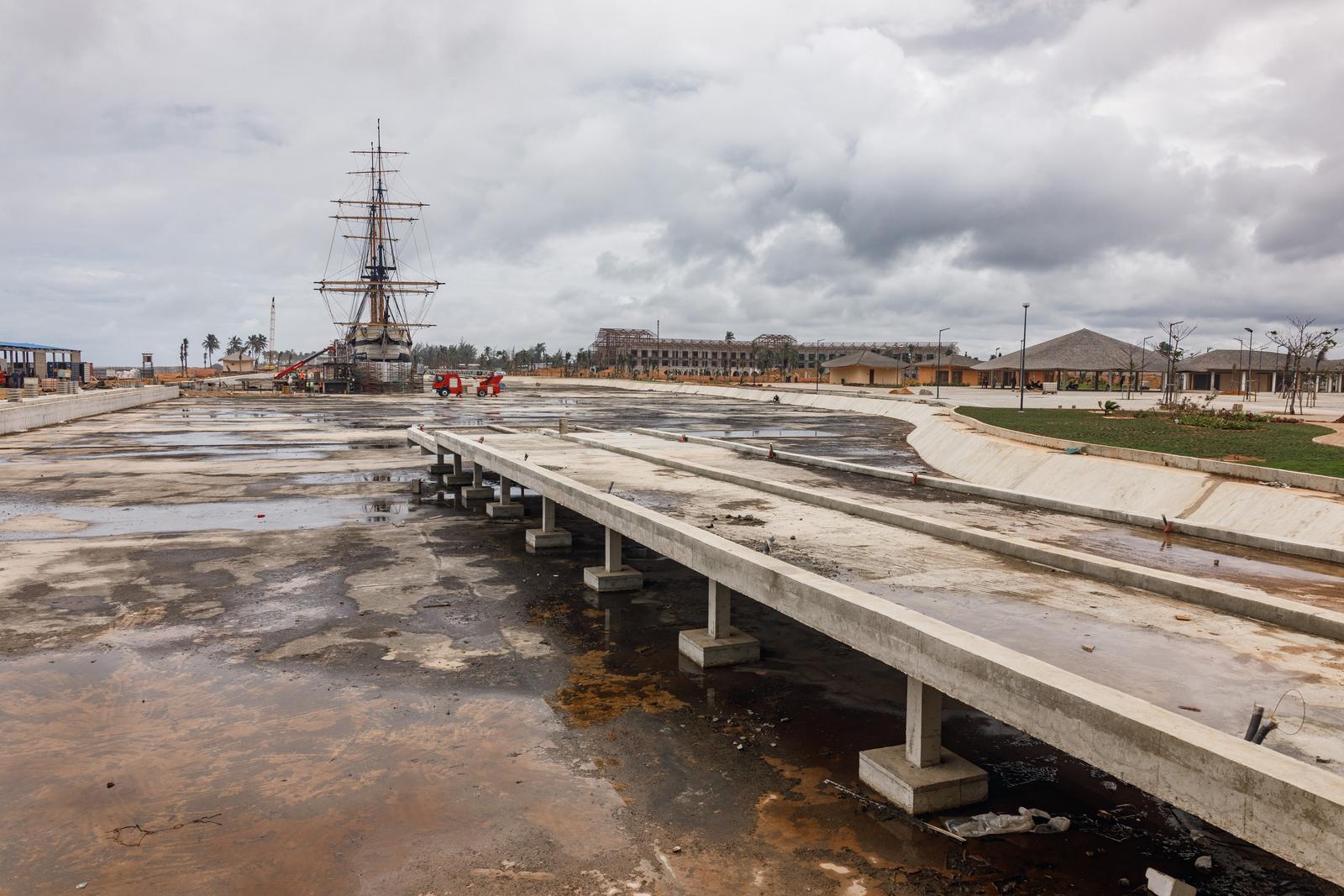
Like scores of ports along the coast, from Ghana’s Cape Coast to Badagry in Nigeria, the former port in Benin is today a site of pilgrimage and tourism. And it is now being reconstructed into a landmark national project, La Marina, to both preserve its legacy and leverage its growing commercial potential. But the project, to be completed this year, is not without controversy.
The resort is complete with tours of monuments to the slave trade — some preserved, some renovated or remade into new structures — along with a five-star hotel with pools, spas and waterside restaurants.
Dominique Somda, an anthropologist at Kalamazoo College in Michigan, grew up in Benin and has done research on African slavery forts. She says the Marina project is an example of the “Disneyfication” of former slavery sites and monuments.
“They should not just attempt to provide emotions and, let’s say, entertainment, as with this Disneyfication as we’ve seen in Ouidah, but it should also attempt to educate us profoundly, because slavery has so many legacies and inequalities that we’re living with today,” she says.
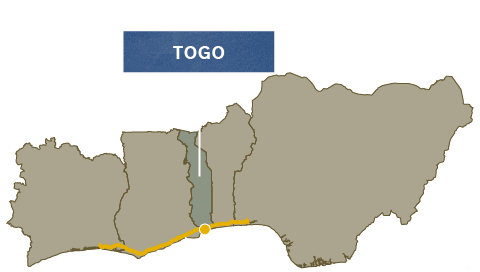
The promise and precarity of the region extend to Lomé, the bustling capital of Togo.
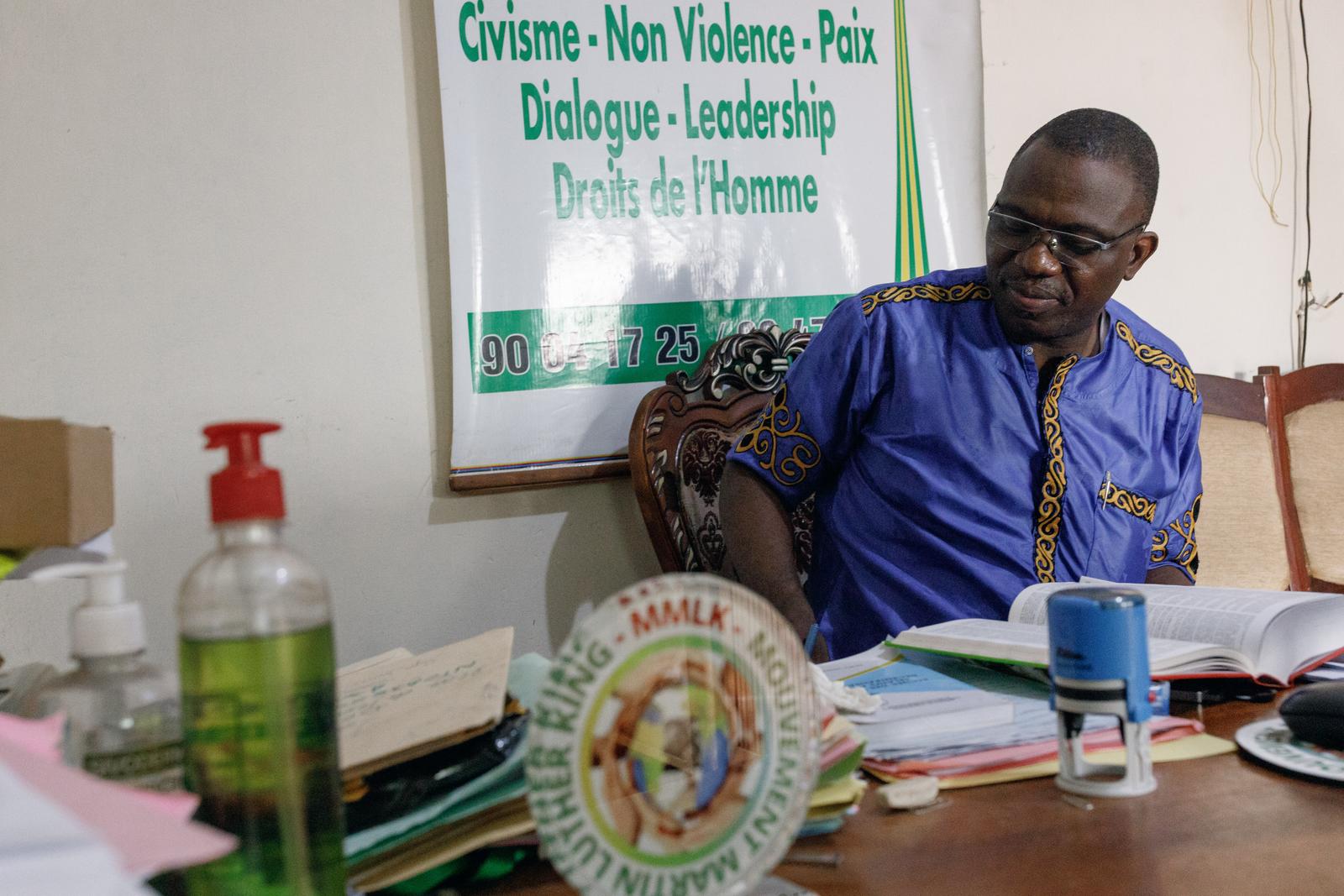
Togo’s president, Faure Gnassingbé, has been in power since 2005, longer than a majority of the young country has been alive. “We’ve been ruled by just one family for a lifetime. People are exhausted,” says Pastor Edoh Komi, a former deputy mayor in Lomé and the president of the Martin Luther King Movement, a civil society group inspired by King’s nonviolent legacy.
In recent years, young people have organized pockets of protests, defying brutal clampdowns. “They’re seeing what is happening in other countries like Nigeria, Ghana, Senegal, which have elections, which have a form of democracy, and they want that too,” he says.
 Emmanuel Akinwotu/NPR
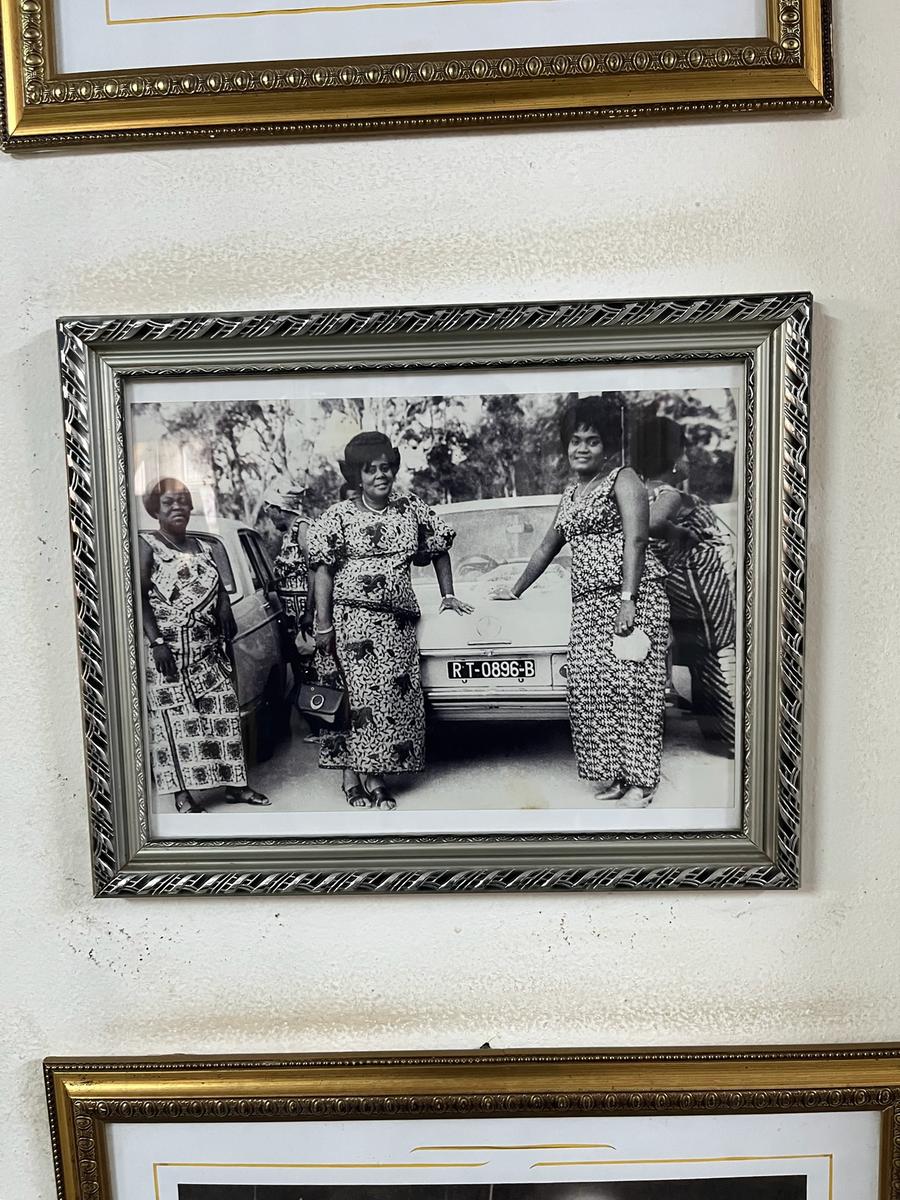
If a story could capture the declining promise facing millions of Togo’s people, it could be the rise and fall of the Nana Benz: working-class women and fabric traders who shot to fame in the 1950s by importing Dutch wax fabrics that exploded in popularity.
It propelled the women who dominated the market into new wealth. They became an example of how working-class enterprise could lead to genuine prosperity.
They were known by the luxury cars they bought, like Mercedes-Benz, and were memorialized in popular culture as glamorous, wealthy figures, riding their cars through the capital.
Bundles of colorful fabrics fill dozens of boutiques at the sprawling Grand Marché in Lomé — including the Dutch wax fabrics dense with swirling, floral designs, which are at the heart of the Nana Benz’s fairy-tale rise.
Emmanuel Akinwotu/NPR
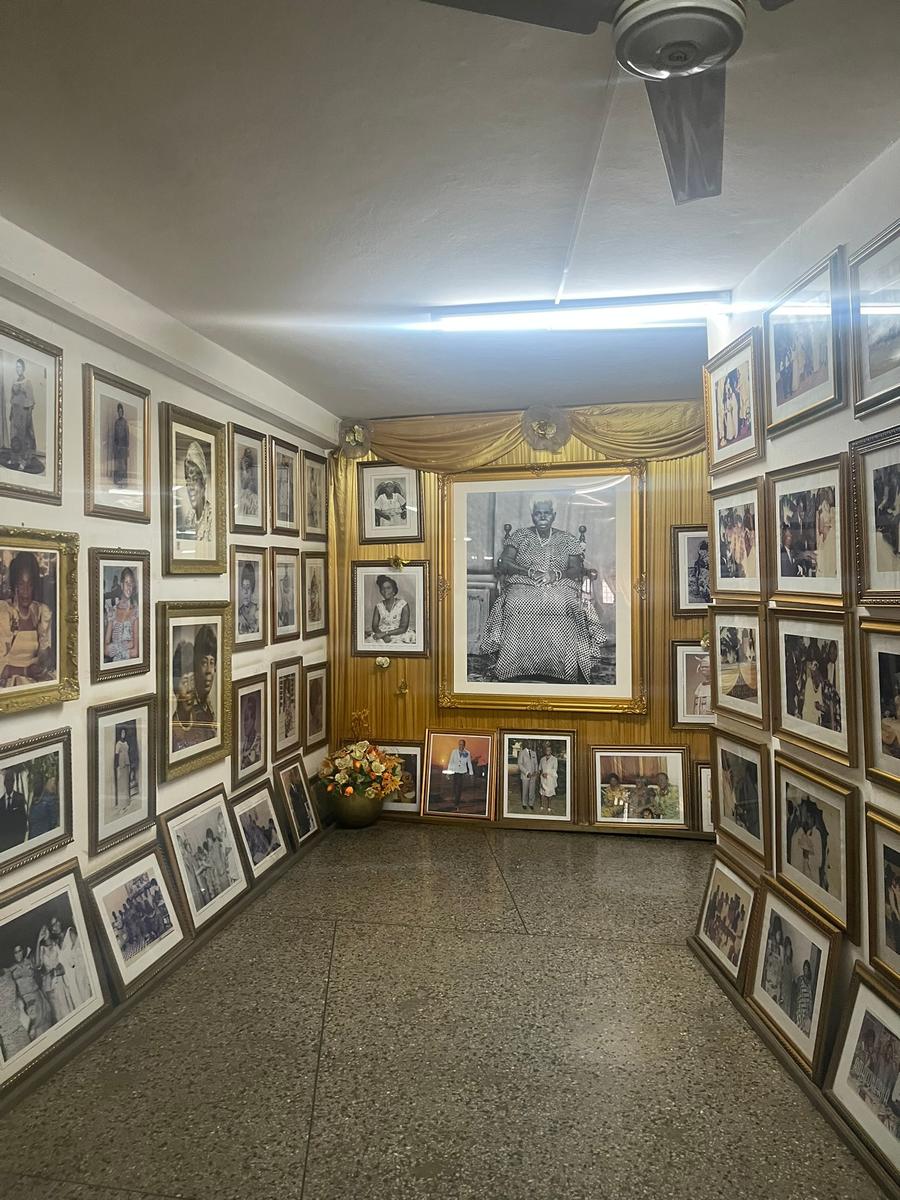
On the walls of dozens of textile boutiques, many of which are franchises of the Dutch company Vlisco, are pictures of the women who founded them. In one store, set up by Marguerite Sewoa-Lawson, the upper floor of her boutique becomes an archival exhibition, the walls lined with framed photographs telling a success story beloved across the region.
But to many, their achievements now feel out of reach. The Nana Benz inspired thousands of women to join the trade, which saturated the market.
Economic shocks in the region also affected the market, according to experts, including the devaluation of the regional currency in 1994 and the initially turbulent impact of reforms backed by the International Monetary Fund. The reforms promoted more liberal trade, with few protections for local industries.
According to widespread analysis of the reforms, they diminished the dominance of Dutch wax fabrics and led to the rise of cheaper Chinese imports that have further devalued the market.
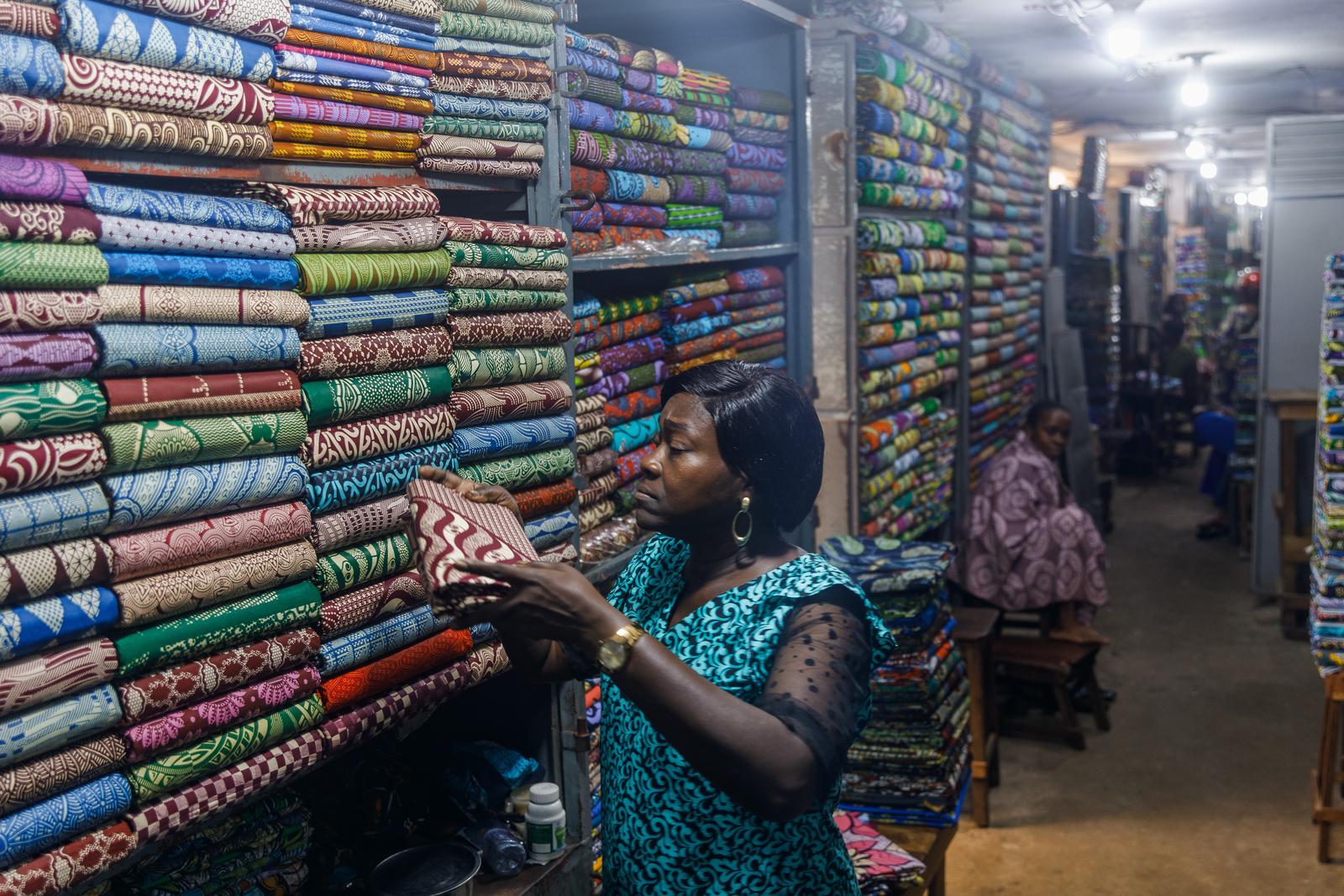
“ These women acquired these large stocks of textiles, and then overnight their currency was devalued,” says Marius Kothor, a historian at Harvard University, who was born in Togo and is an expert on the history of the Nana Benz.
“There’s been these kind of large shocks in the economic system where someone can be very successful one minute, and then overnight, their fortunes change dramatically,” she says. “The women that I talked to were just very sad about the fact that they’re not trading in the volumes that they used to.”
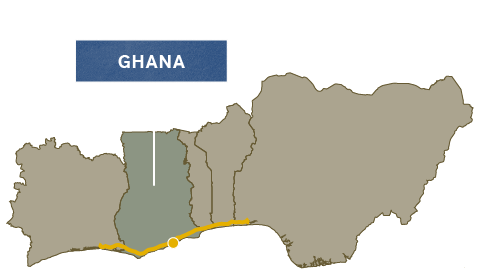
Some 120 miles west of Lomé, the coastal Atlantic road snakes toward Ghana’s capital, Accra.
The bustling commercial city of nearly 3 million people is one of the most developed in the region and a major economic hub. It is also in the throes of major demographic shifts, changing and extending the geography of the city.
The extreme impacts of the climate crisis, rural poverty and the concentration of economic activity in southern urban centers are driving migration southward, from towns and villages and from the arid and landlocked Sahel region, down to coastal cities, according to experts.
Many arrive in populous cities like Accra, where due to a lack of formal jobs, informal trade presents the few viable opportunities available.
Africa’s high number of entrepreneurs is often held up as a measure of the continent’s economic potential. But in this region, where entrepreneurs are often informal traders or owners of vulnerable small enterprises, it is also seen as reflecting a lack of viable alternatives.
“One of the particularities of this space is that urbanization has occurred without job creation,” says Alice Hertzog, a social anthropologist at the University of Zurich’s Ethnographic Museum, who has researched migration and urbanization in the Lagos-Abidjan region.
“For people to seek out a livelihood in this environment, quite often they seek out that livelihood by being on the move, by making the most of the different opportunities that emerge, by moving as those bust-and-boom cycles occur along the corridor,” she says.
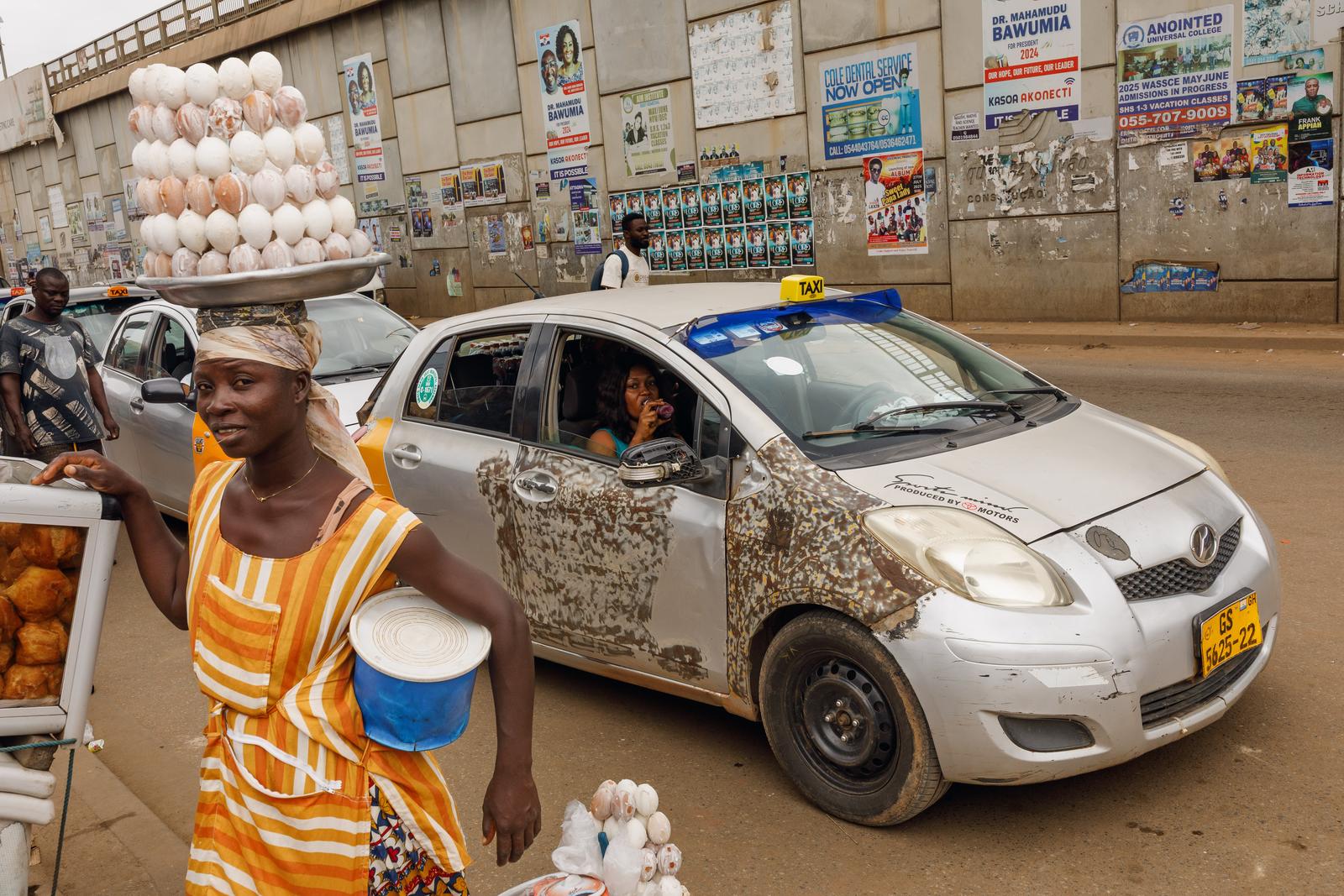
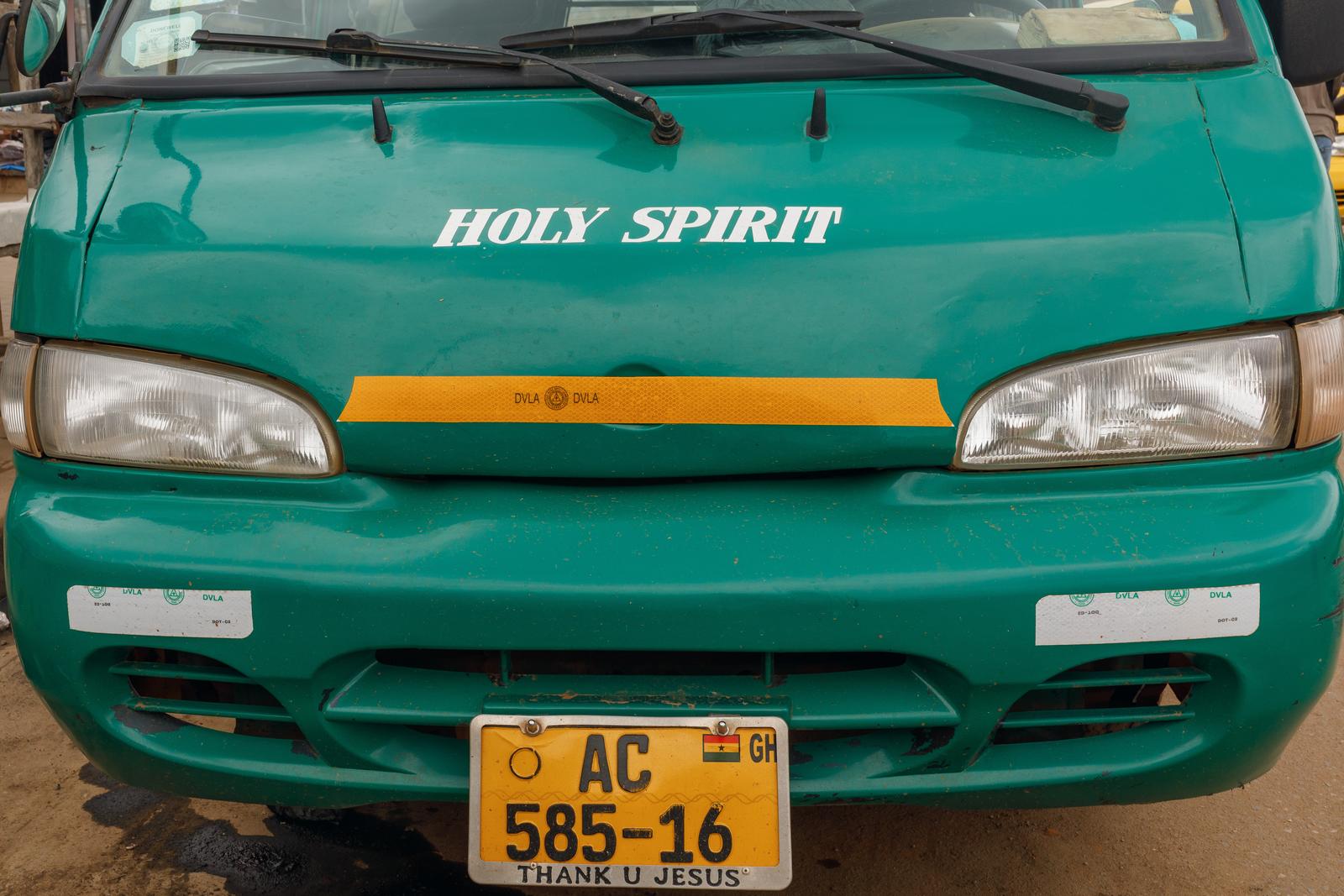
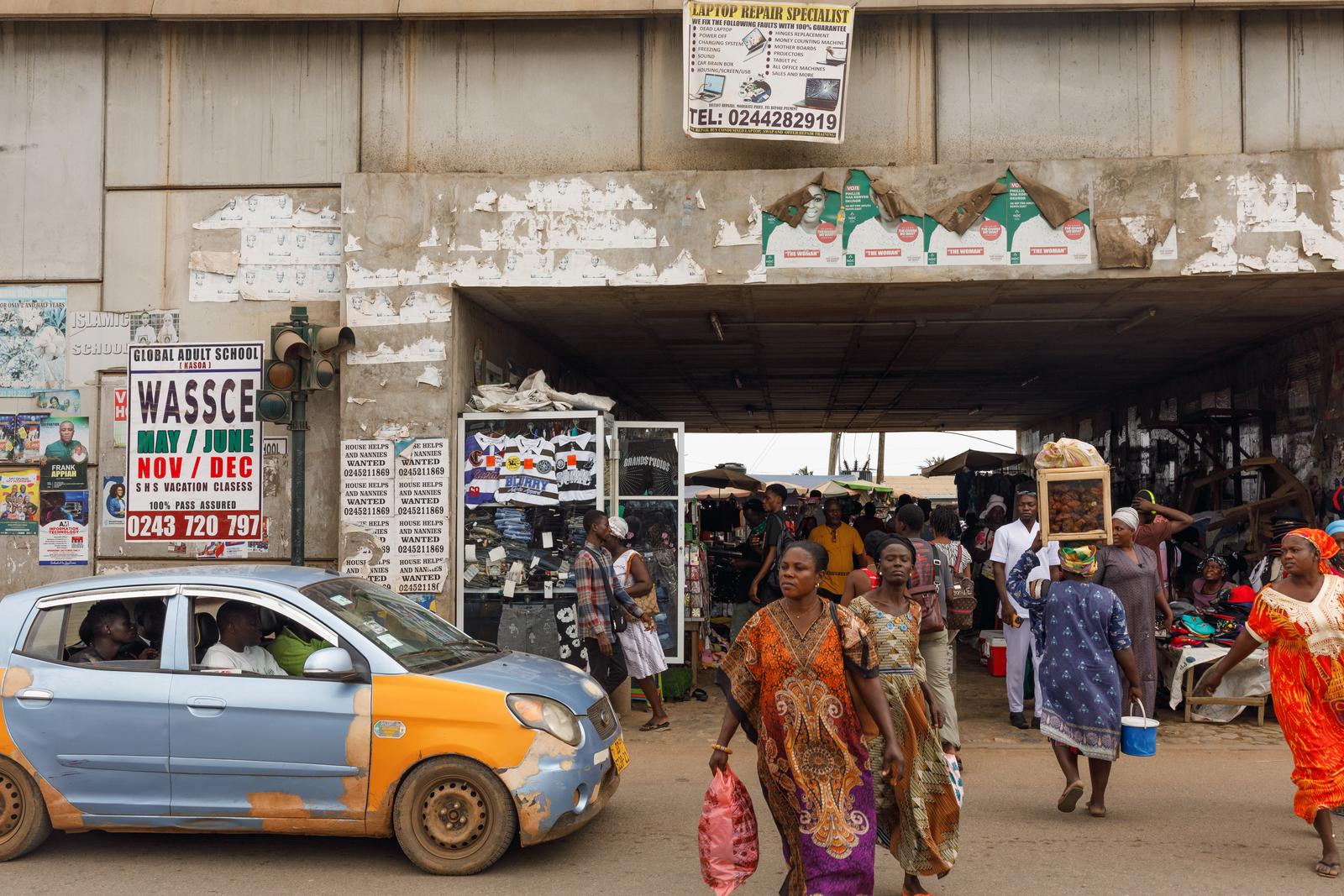
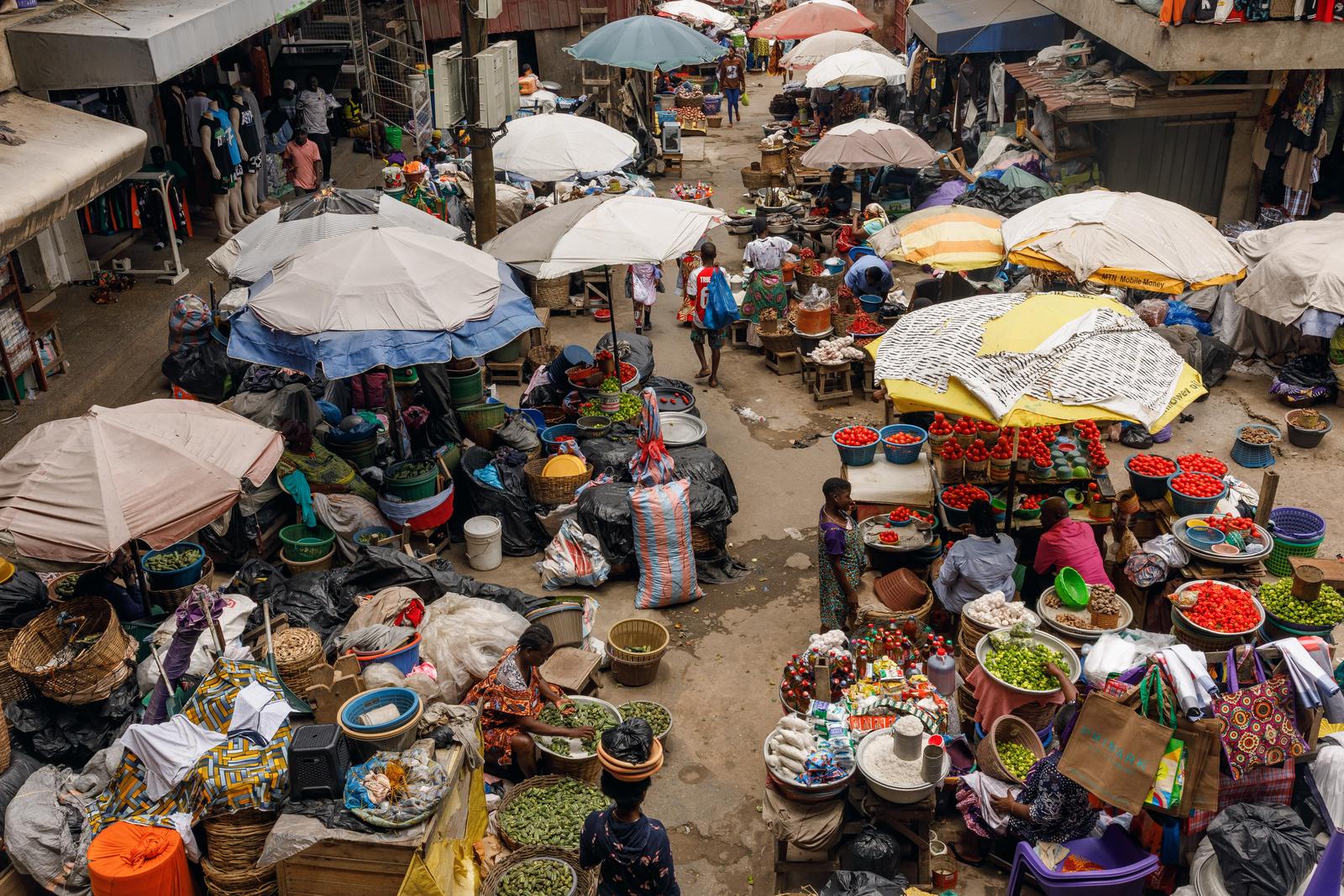
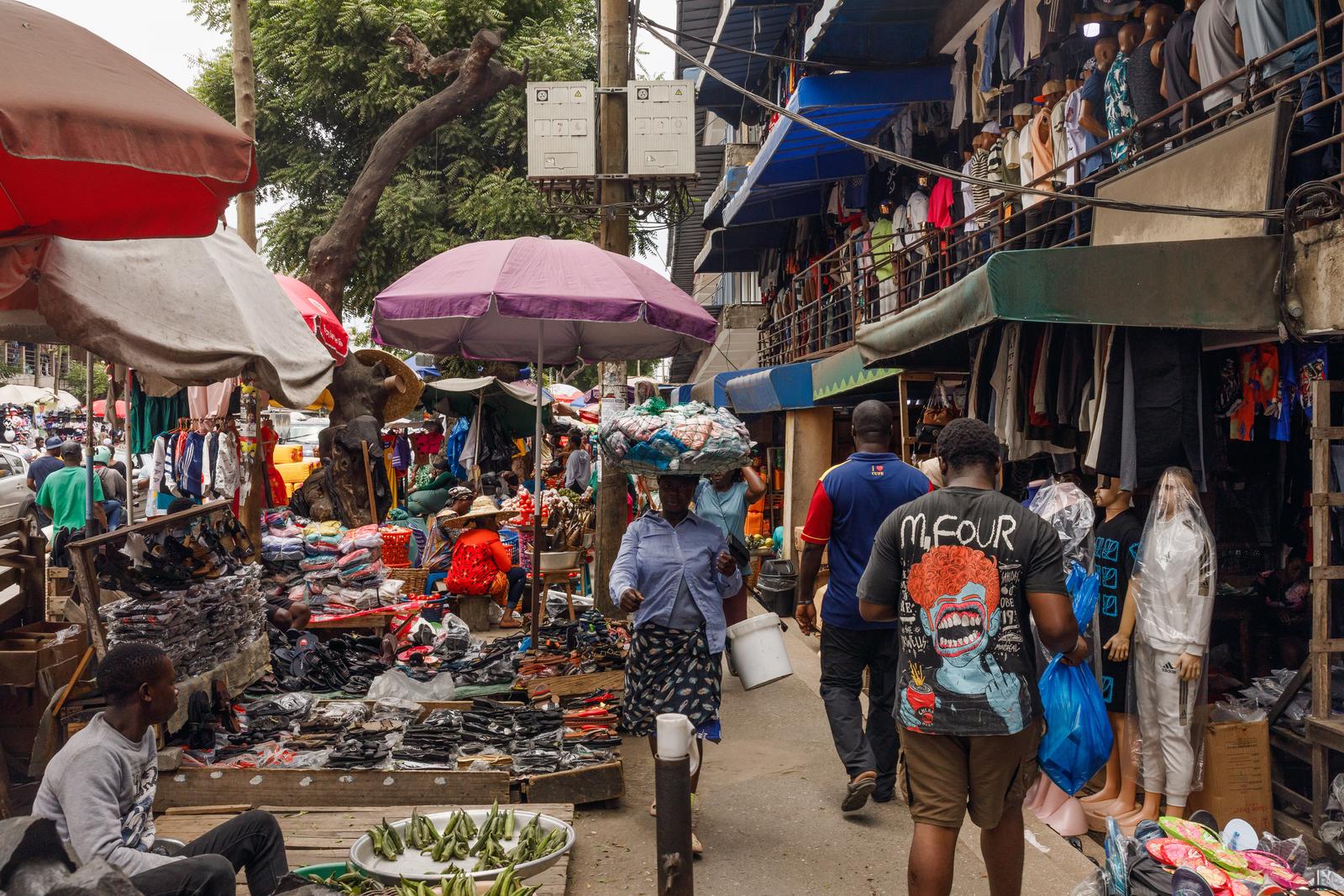
Makola Market, one of the largest in Accra, is a microcosm of the vibrant migratory dynamics in Ghana and across the region.
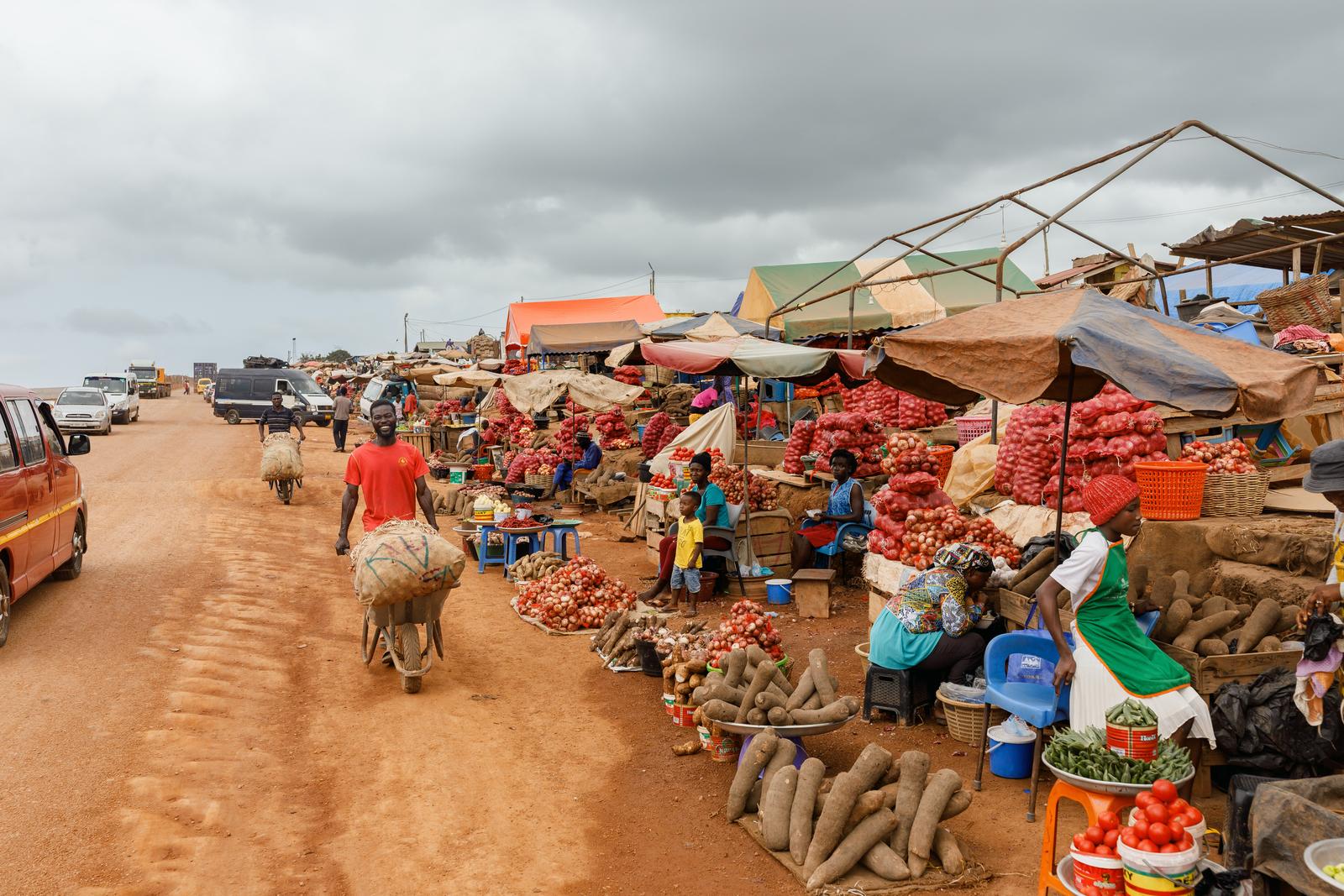
Trucks unload hundreds of sacks of onions and green and red peppers brought south from Burkina Faso. Couriers from across West Africa deliver electronics and beauty products from Nigeria and textiles from Benin and Ivory Coast, filling Makola Market, which is teeming with thousands of traders.
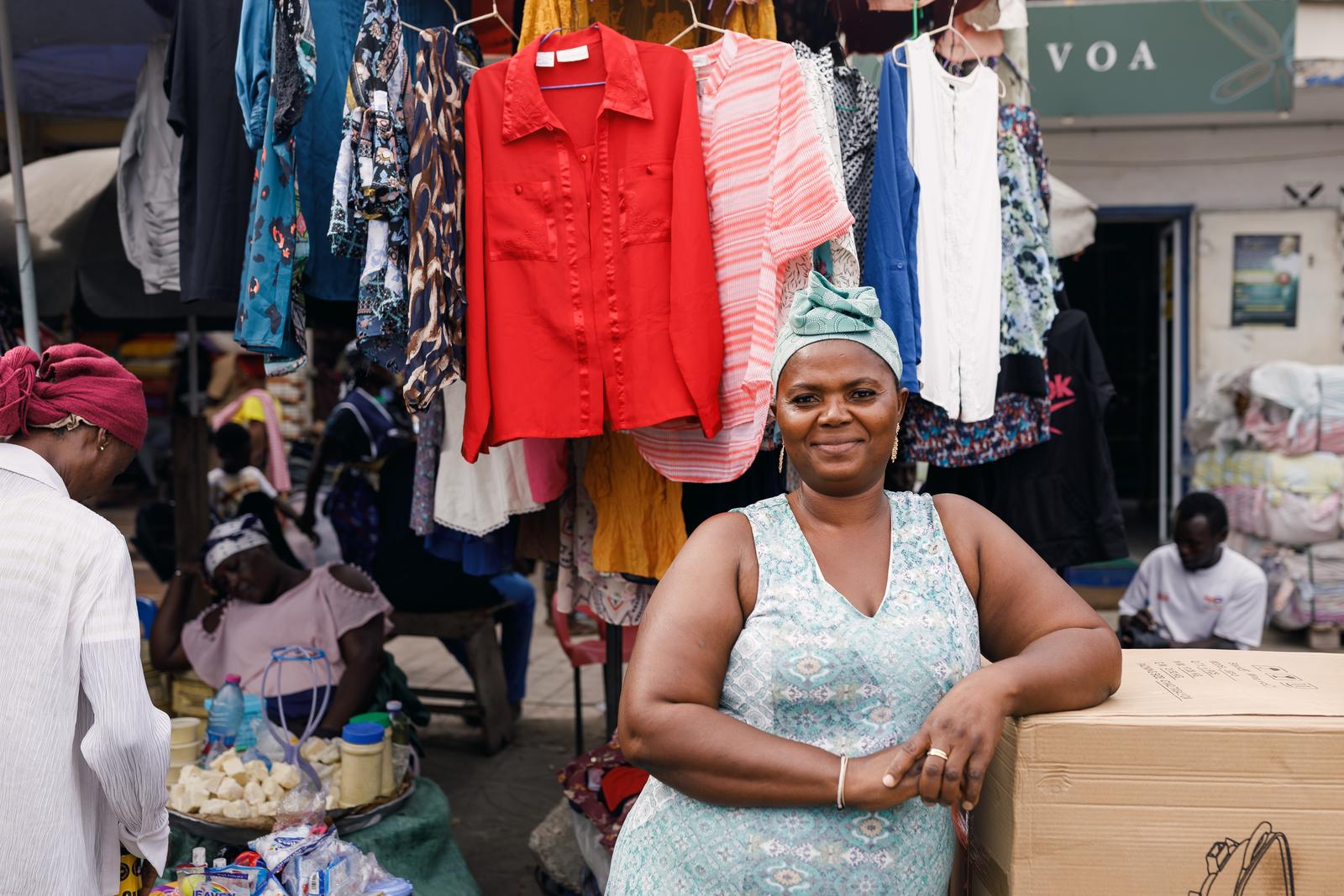
But it’s also a snapshot of the meager returns. Forty-year-old Mercy Laye has been selling in Makola Market for over 20 years. Like so many in the region, she switches effortlessly among several languages, from her native Ewe to Twi, Fanti, French and English. Sometimes she speaks in a blend of two or more.
“I’ve been coming to the market with my mother since I was a child,” Laye says. She comes from a family of traders — her mother from Togo, who married her father, a Ghanaian businessman. “They did very well, provided for all of us, sent us to school.” But the modest returns they enjoyed dwarf her daily income of less than $4 a day.
“This is my life,” she says, her arms outstretched as customers wade through the market stalls and scan groceries and mounds of clothes laid on mats along the street. “It’s not easy. Since 8 a.m., no money,” she says, laughing sadly.
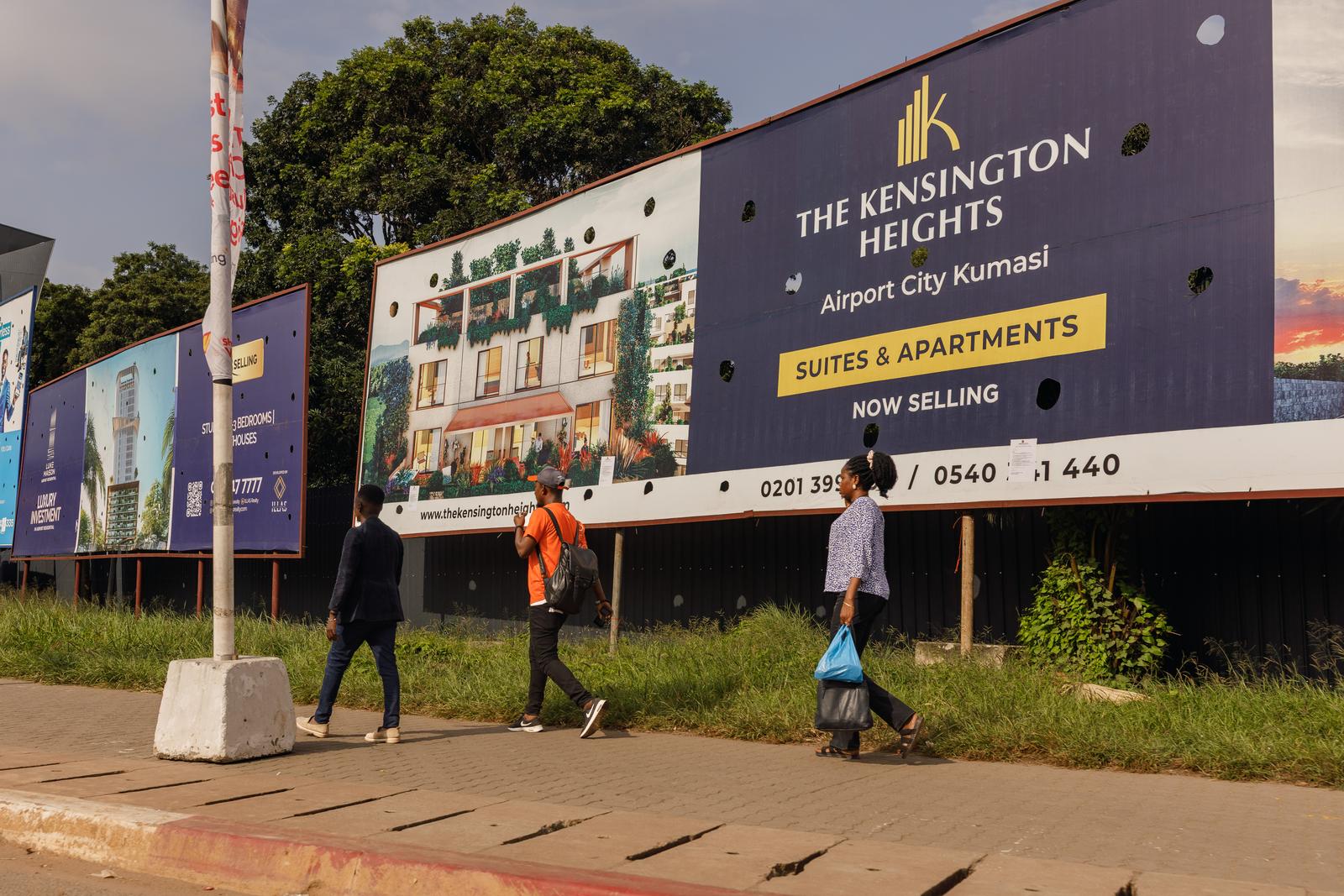
A chronic lack of affordable homes has driven many of the city’s poorest residents into informal housing settlements, while several new luxury and affluent estates are being built across the city, increasingly charging in U.S. dollars rather than Ghana’s cedi currency to exploit a changing market.
A more affluent class of migrants — compared with the average income in Ghana — is increasingly visiting and settling in Ghana, arriving from Western countries like the U.S. and drawn by the glowing perception of Ghana as an African country on the rise.
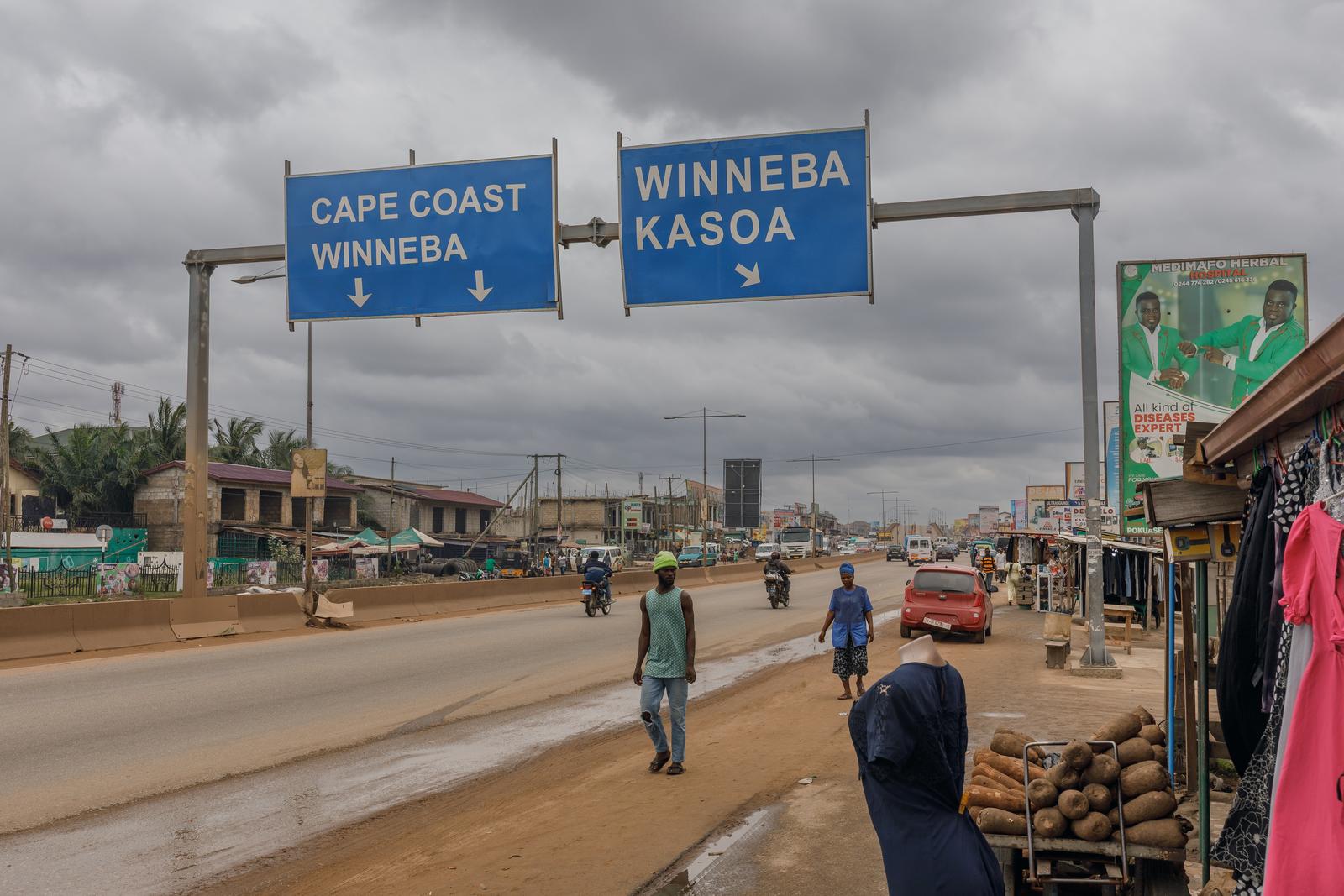
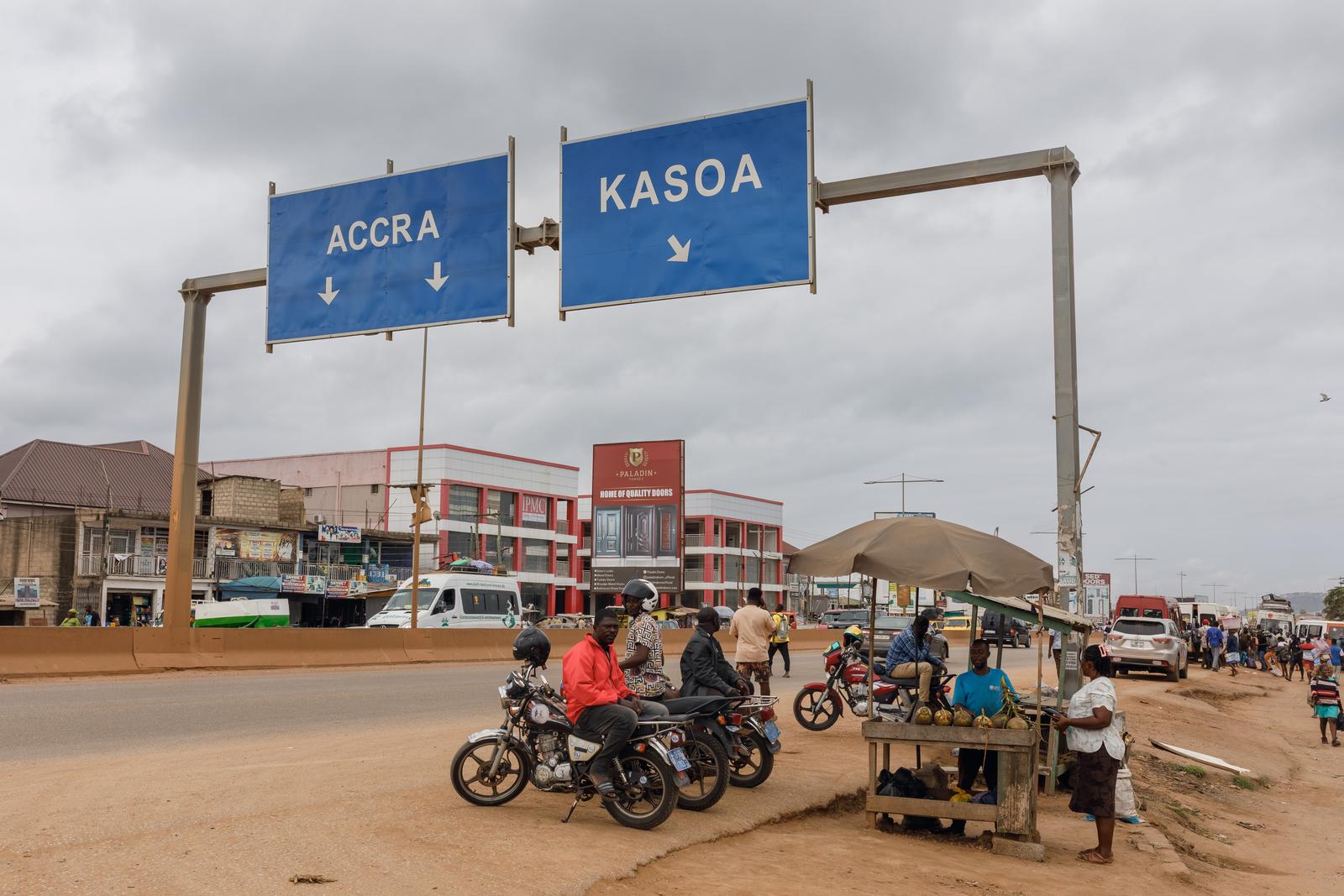
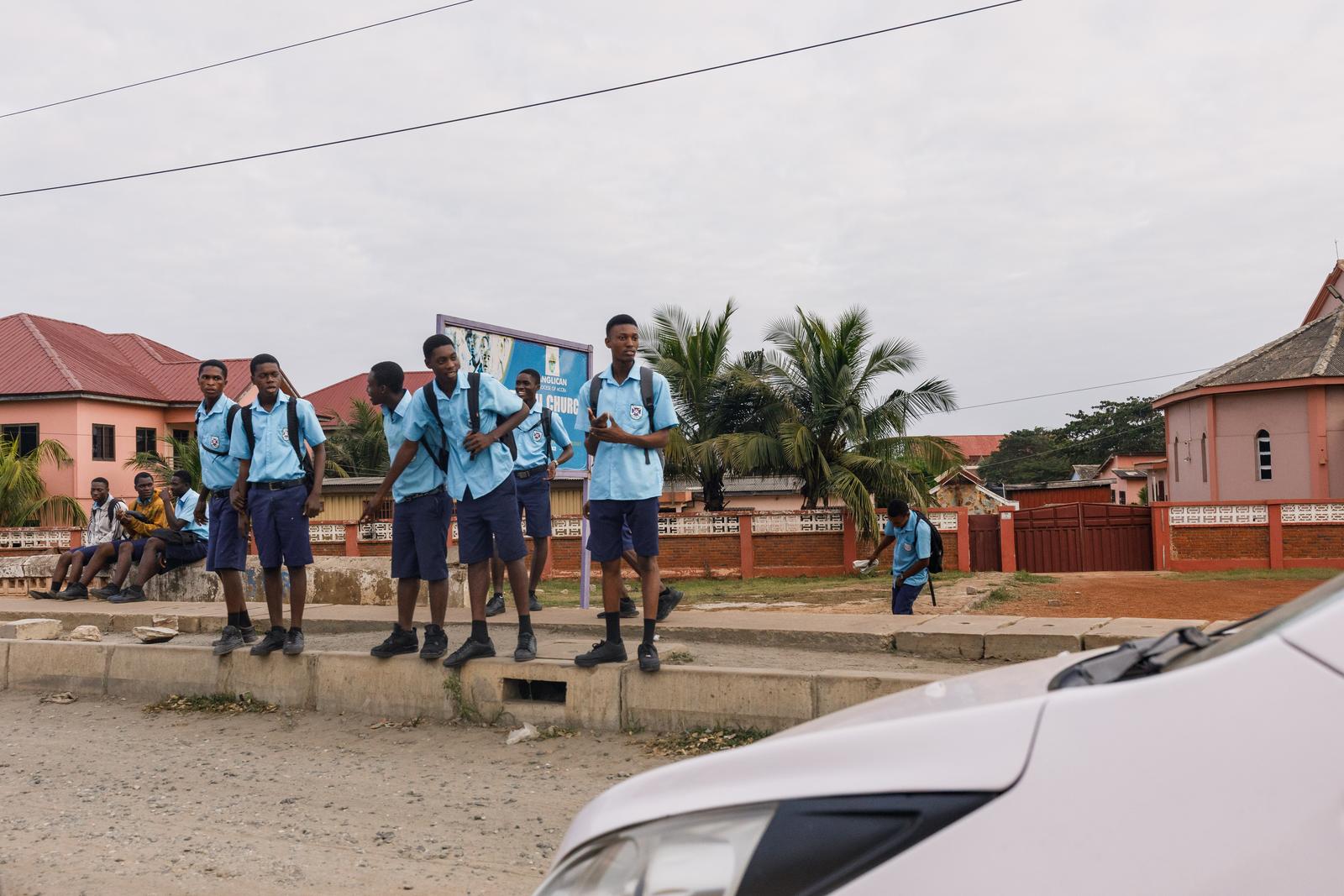
The pressures are pushing Accra’s growing population to spread to the city’s outskirts. Towns like Kasoa that were sparsely populated and barely developed are now filling with residents escaping the soaring rents and transport costs of the city.
The population of Kasoa is now close to 100,000, according to some estimates — nearly doubling in the last 20 years.
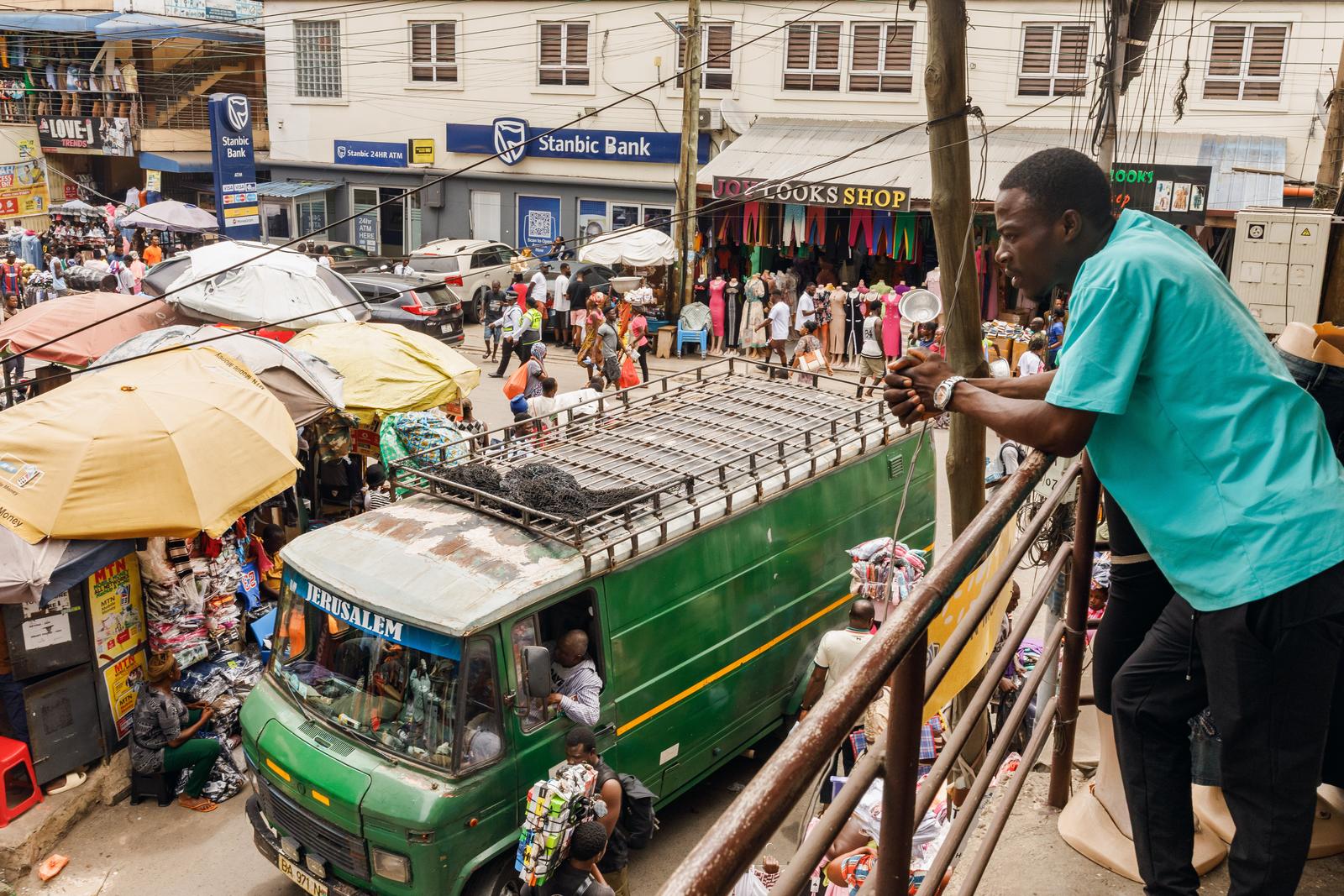
Charles George, a driver who also runs small businesses selling electronics and other supplies, moved to Kasoa in 2023. “We had no choice. In just a few years, the rent almost doubled,” he says of the house in Accra where he lived with his wife and son.
Kasoa is a snapshot of how unplanned urbanization is unfolding in the region. Its population growth is far outpacing the creation of new roads and other public development.
“In Kasoa, things are much easier,” George says, “for now.” The growing influx is slowly driving up prices here too. “Maybe in a few years, we’ll have to move again.”
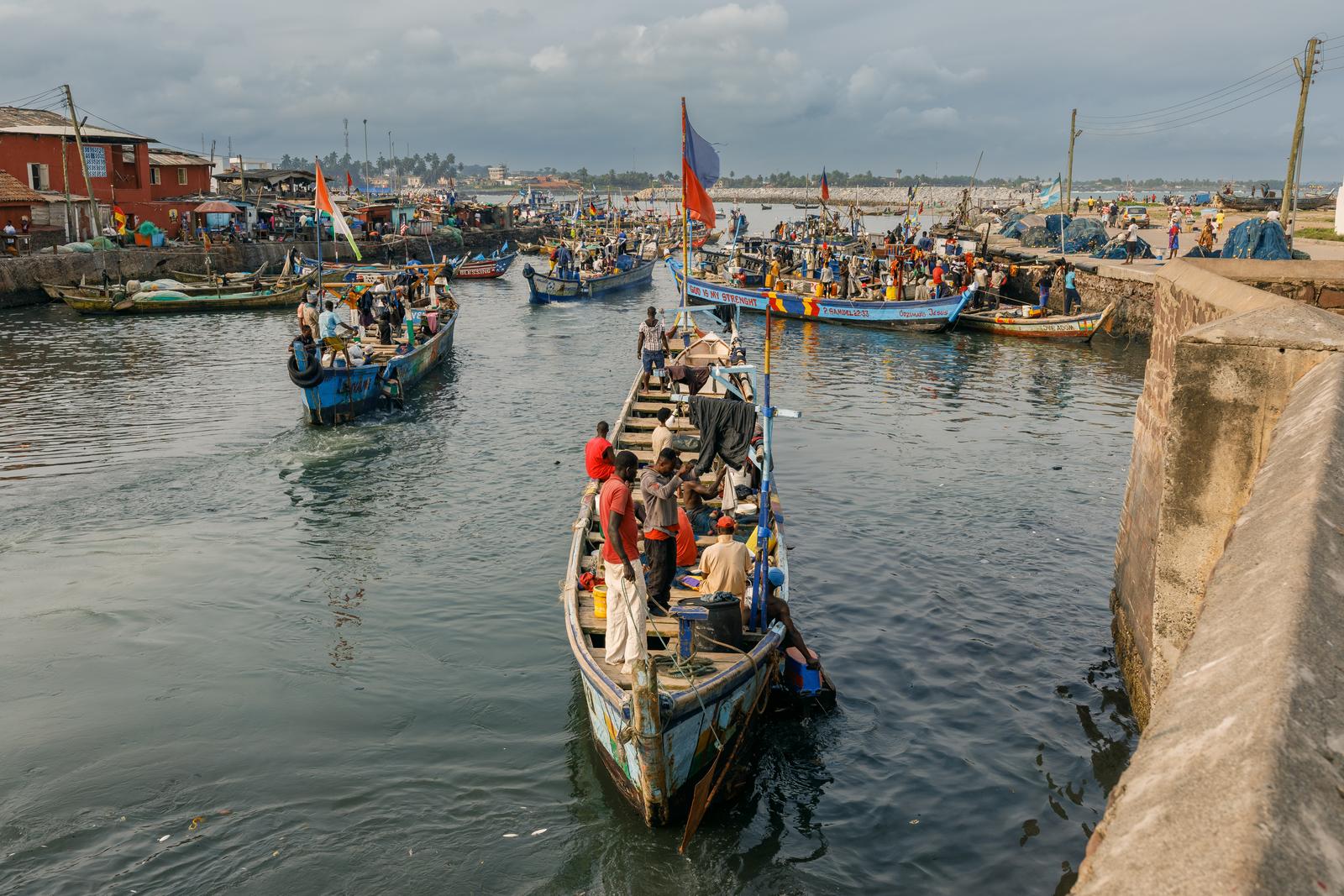
The road to the border with Ivory Coast passes through Cape Coast, a fishing town and former slave fort — one of dozens dotting the coast of Africa.
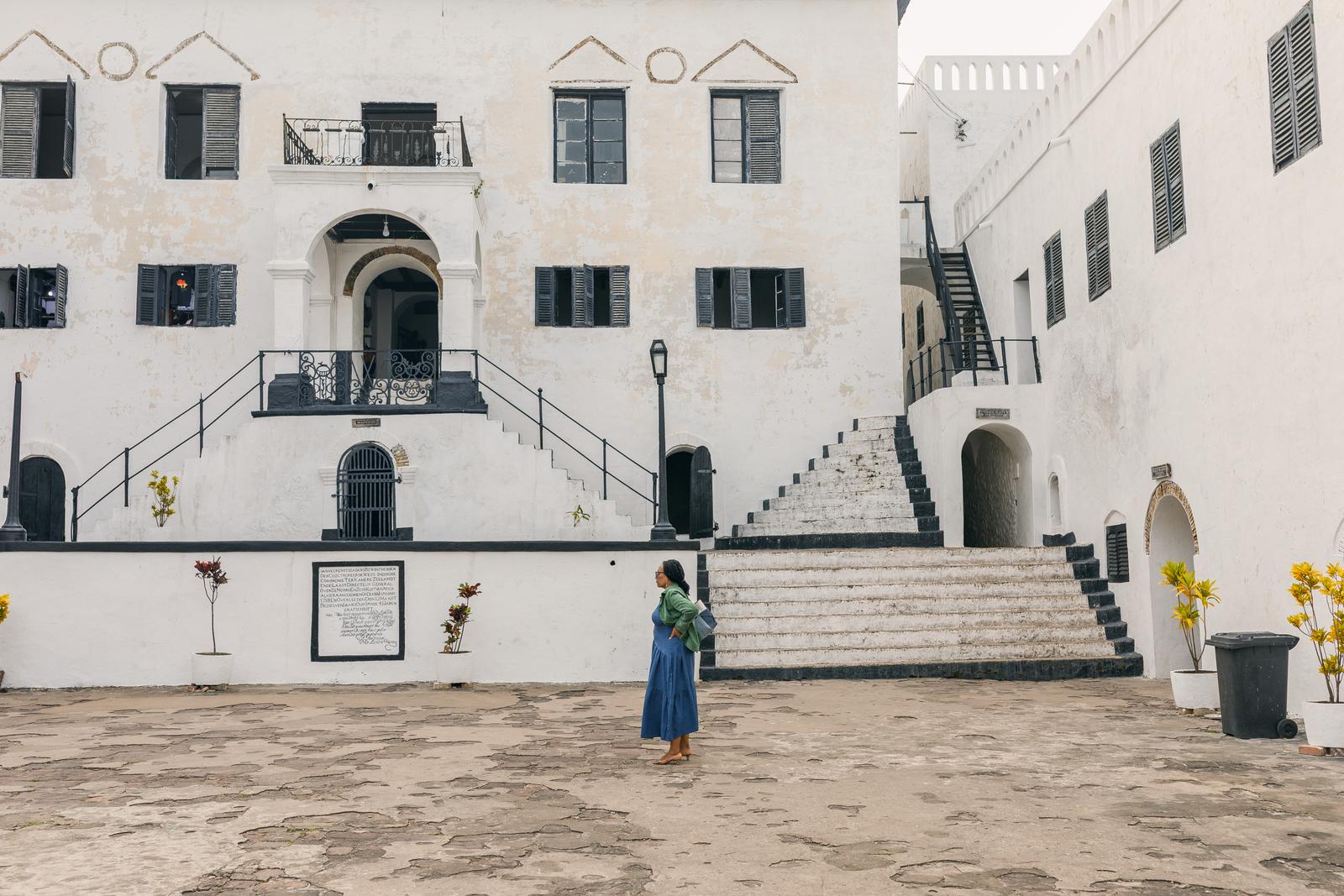
Caption: A visitor stands in the courtyard of St. George’s Castle (Elmina Castle), near Cape Coast. The castle and former slave fort were established by the Portuguese Empire in the 15th century before being taken over and expanded by the British.
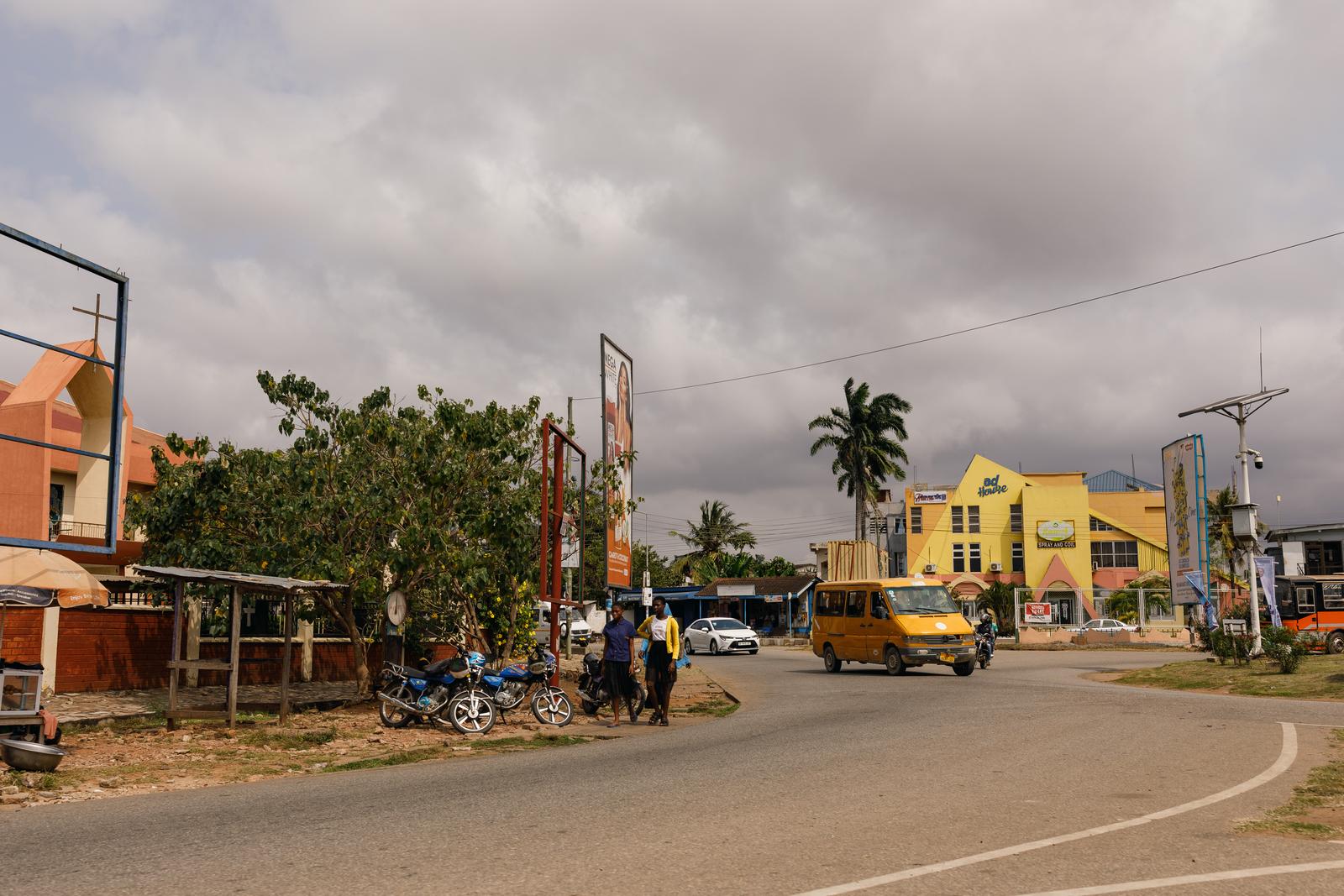
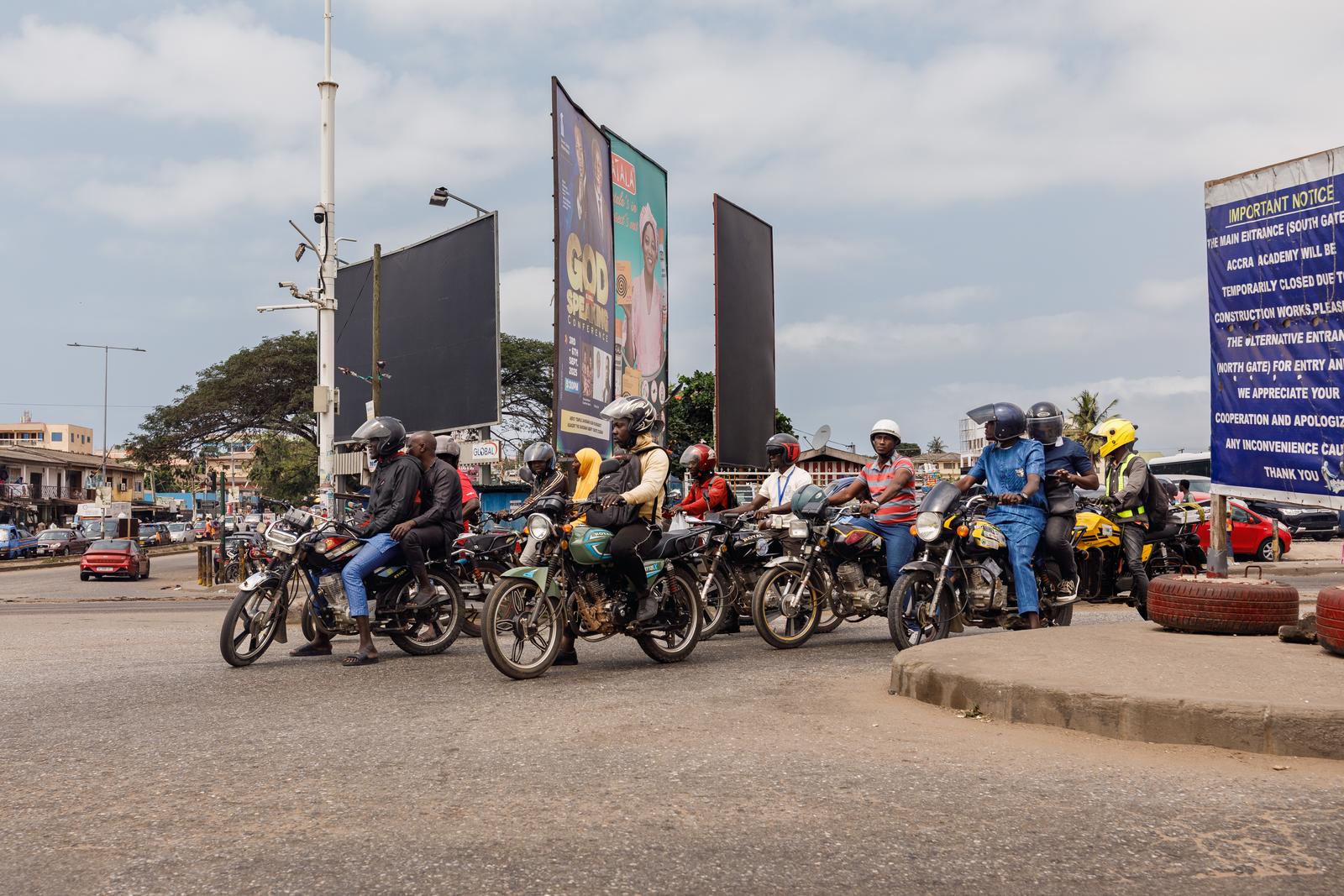
From the gentle bustle of Cape Coast, the road snakes close to the Atlantic shore as it passes through emerging cities like Takoradi until it reaches Elubo — a western Ghanaian town at the border with Ivory Coast.
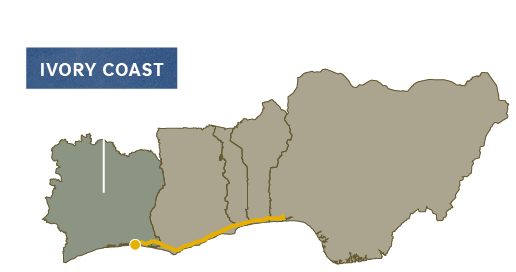
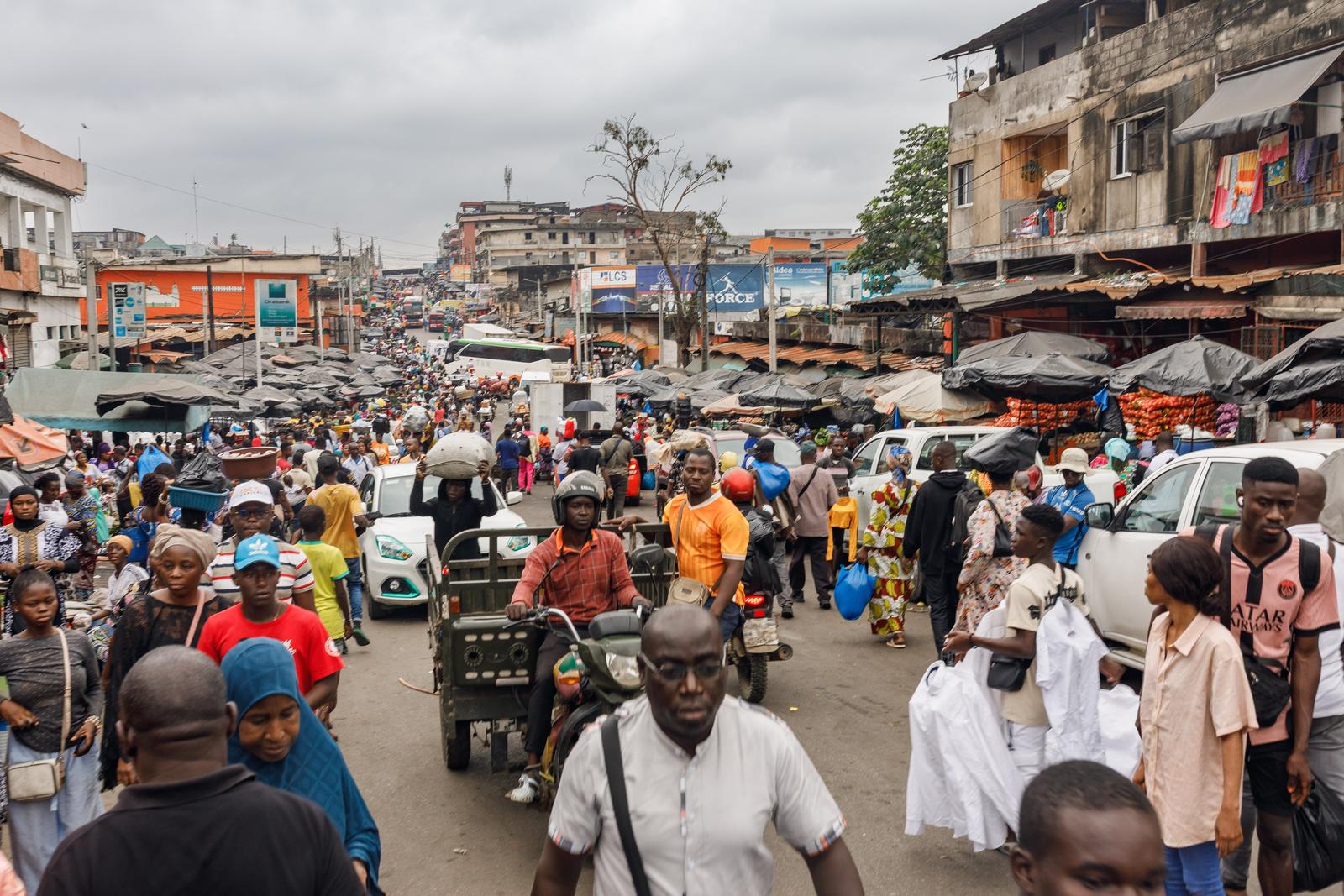
The final stretch of one of the world’s most urbanizing regions ends in Ivory Coast.
Citizens of several countries in the Economic Community of West African States, including those along the route between Nigeria and Ivory Coast, are supposed to enjoy free and relatively seamless movement of people and goods.
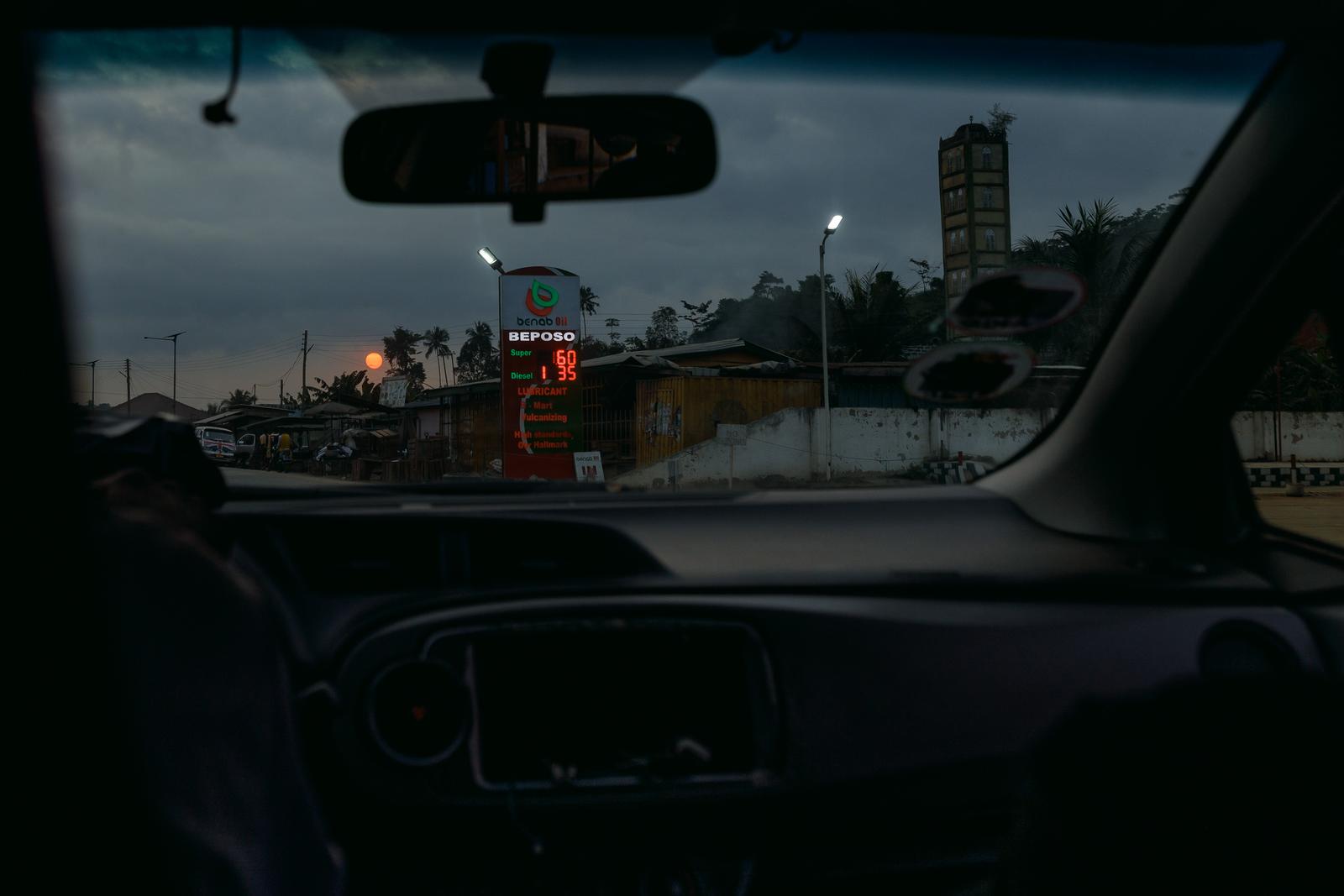
But NPR’s team, comprising citizens of ECOWAS countries, was asked to pay between $4 and $10 at each border along the Lagos-Abidjan corridor. The most expensive was at the border with Ivory Coast.
Small-business owners tried to barter with officials who demanded bribes to let them ferry goods across the border.
But borders are just one obstruction. Temidire Alesh is the 33-year-old founder of a tourism company called Omi.
“There’s so much beauty and potential to life in West Africa, but at the same time, everyone knows the many basic challenges you have to navigate. Moving money from one country to another is a challenge, despite the fact that many of the same banks are operating in each country,” she says.
Mobile money operators have transformed banking in much of Africa. But regulations prevent companies from integrating their services across borders.
The same is true of telecommunications. Many of the same companies exist across borders, but SIM cards in one country aren’t usable in the next.
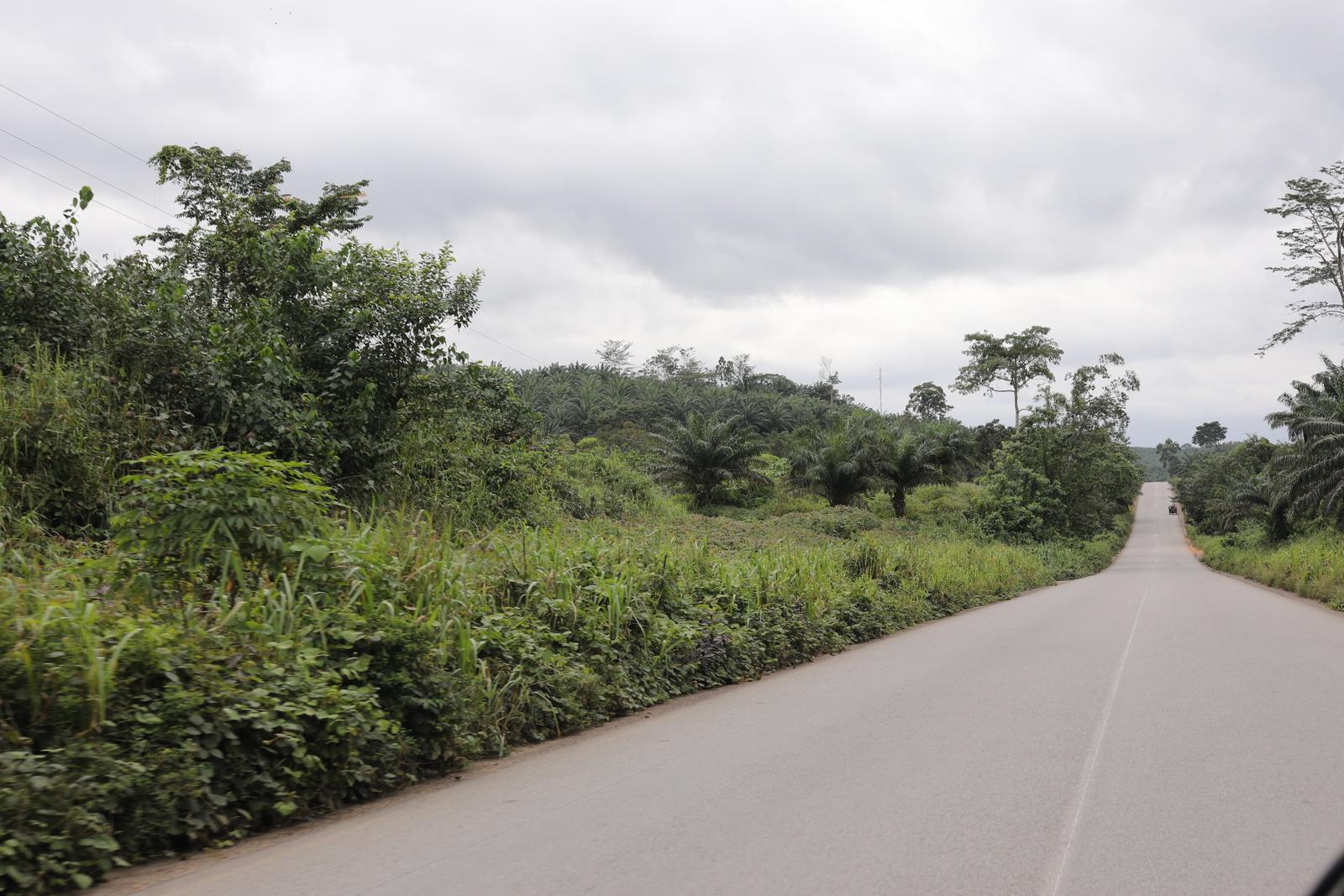
From the border, the quiet 100-mile road toward Abidjan weaves through acres of countryside and lush plantations of cocoa and plantains.
This stretch is among the most scenic along the 600-mile coastal journey, ending in Abidjan.
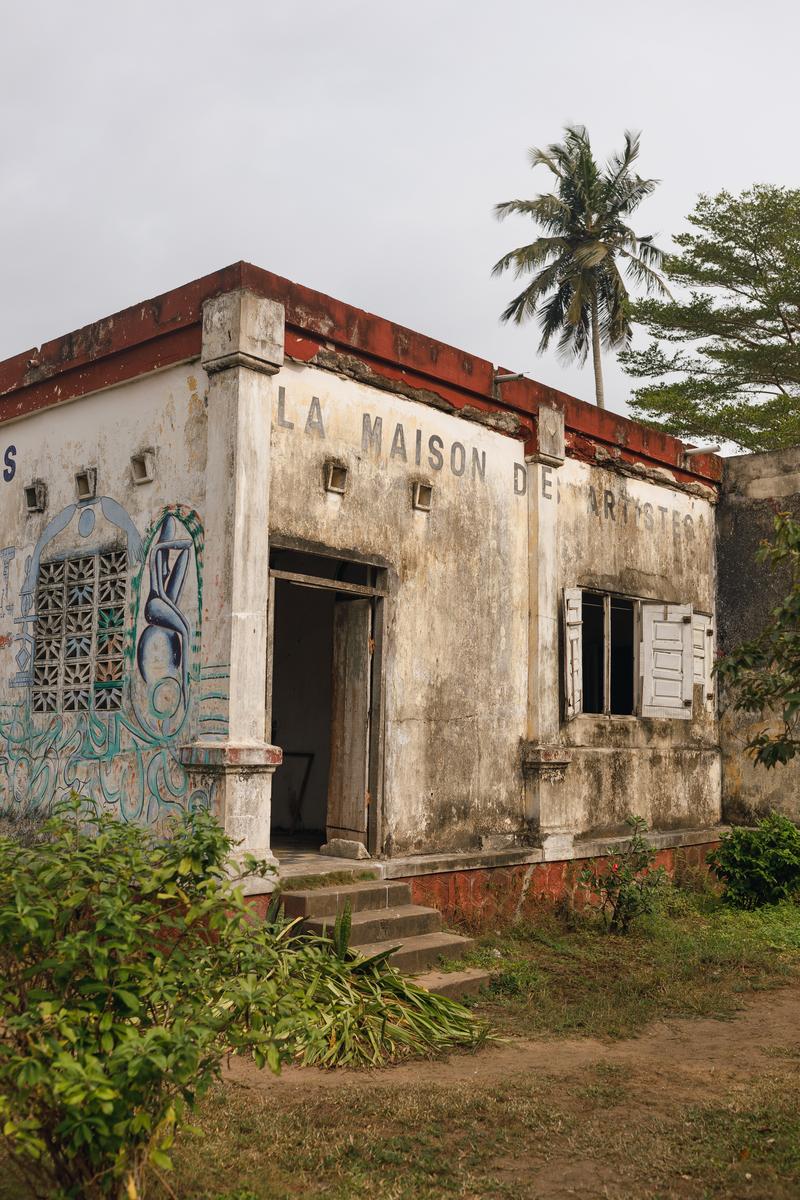
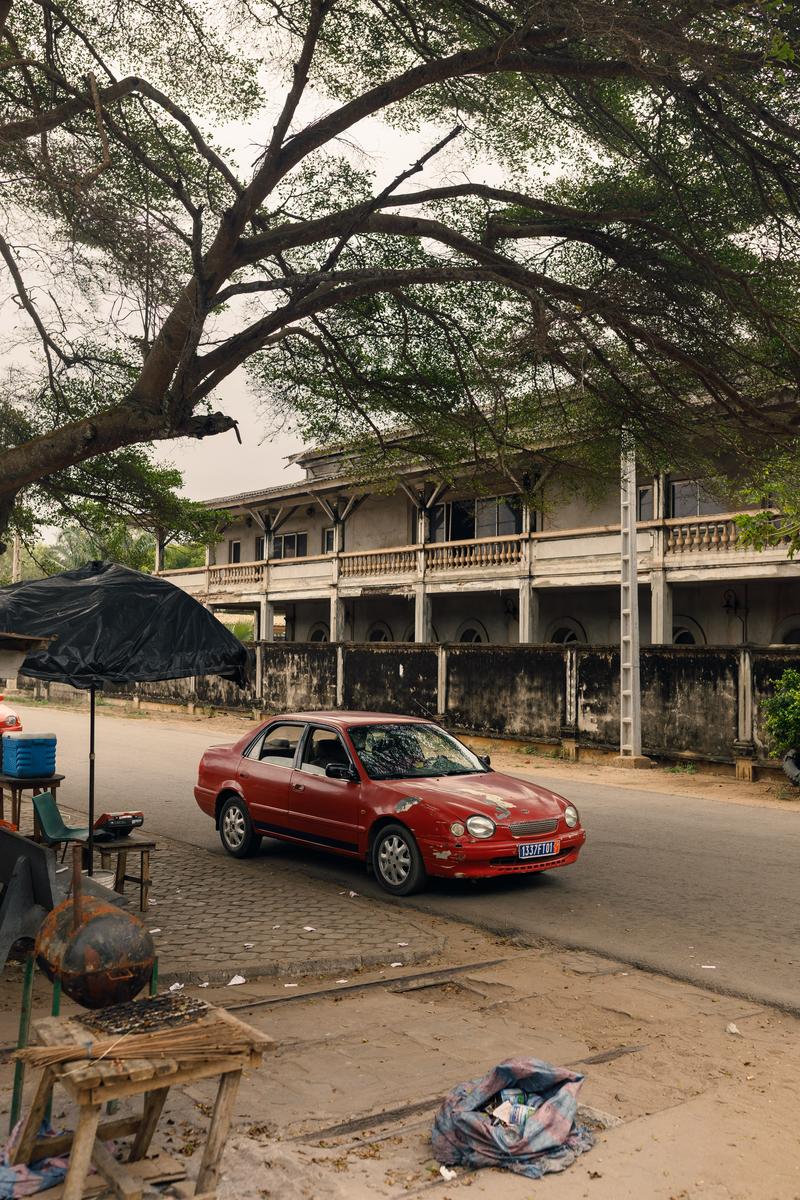
The route into the city passes through Ivory Coast’s former capital under French colonial rule, Grand-Bassam. Lining the eerie streets at the heart of the town are former colonial-era offices and administrative buildings, along with bungalows that served as homes of colonial officials. Many have long been abandoned.
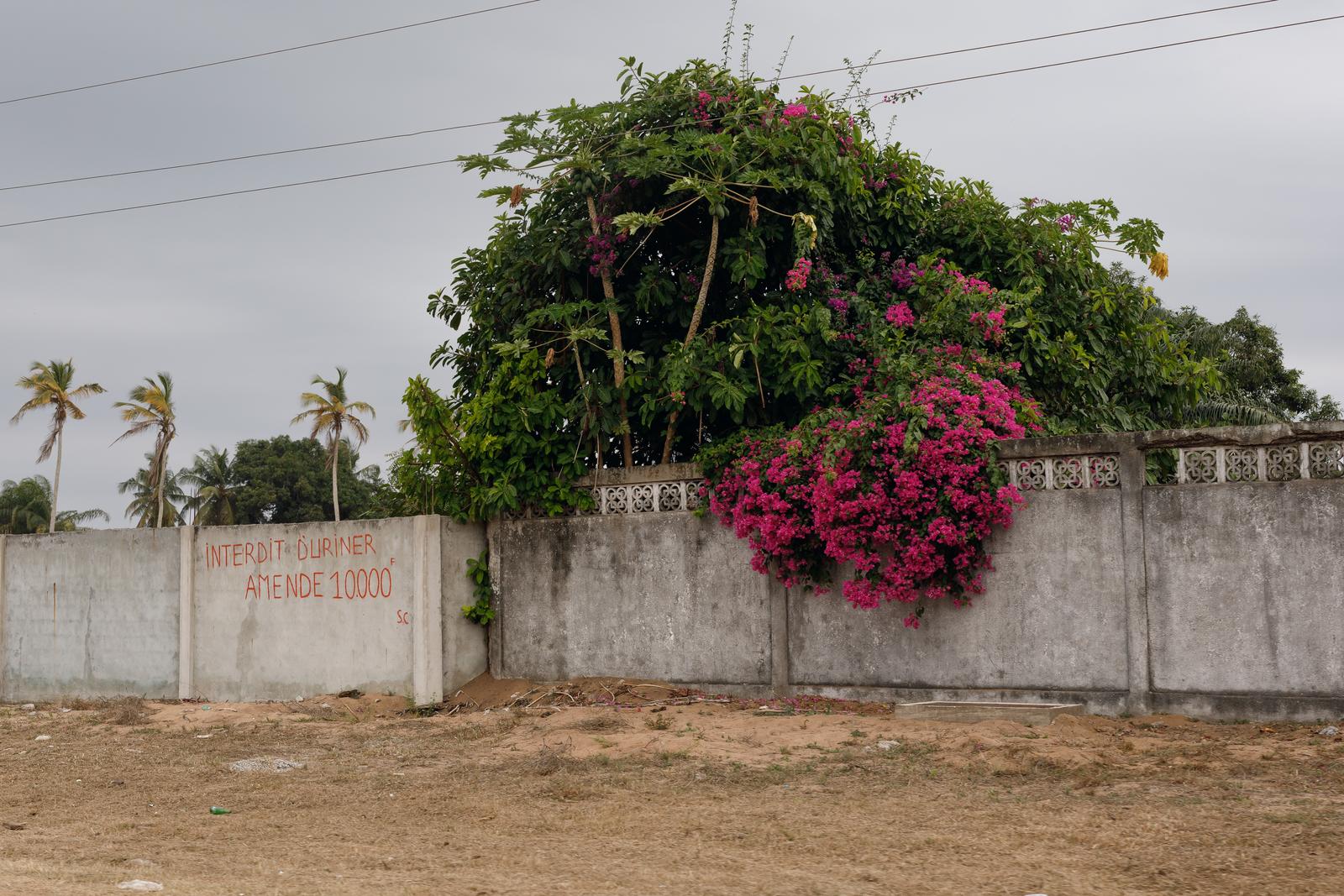
Tour guides lead small groups of tourists through sites of a small port where enslaved Africans were kept before being taken across the Atlantic Ocean. Many of the weathered structures appear almost stuck in time, empty and draped in vines, and overrun by shrubs and greenery. Children play soccer on sandy roads, while the dusty walls are brought to life by clusters of lilac and pink bougainvillea.
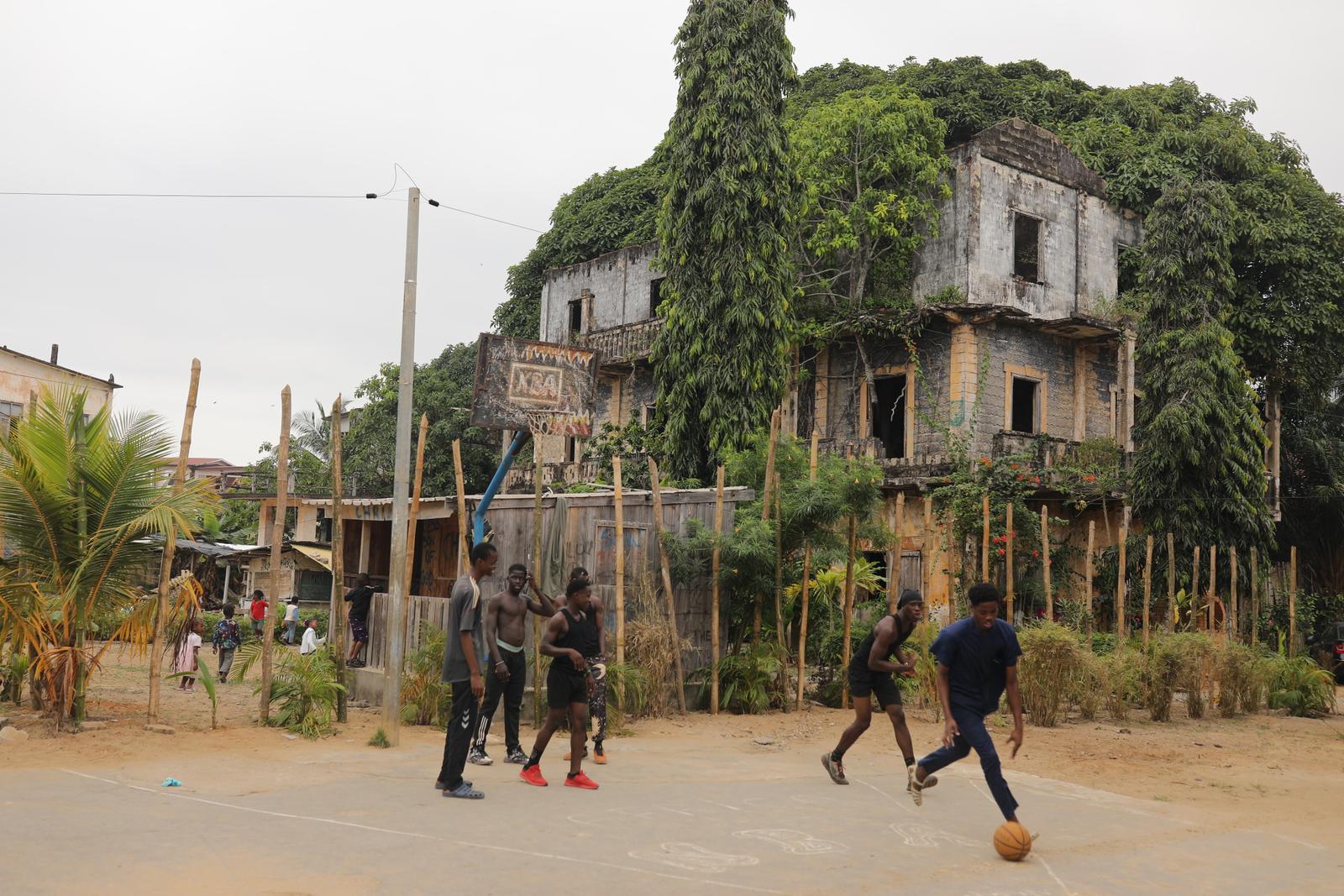
The town is a UNESCO World Heritage site, with many of the structures preserved in their original form, explains Legle Sagna, a tour guide born and raised in Grand-Bassam.
Bassam draws a steady trickle of tourists — enough to sustain a modest tourism economy that provides some of the few jobs for young people like Sagna.
“There are no jobs here. There’s almost nothing to do,” he says. “Most of the young people here leave.”
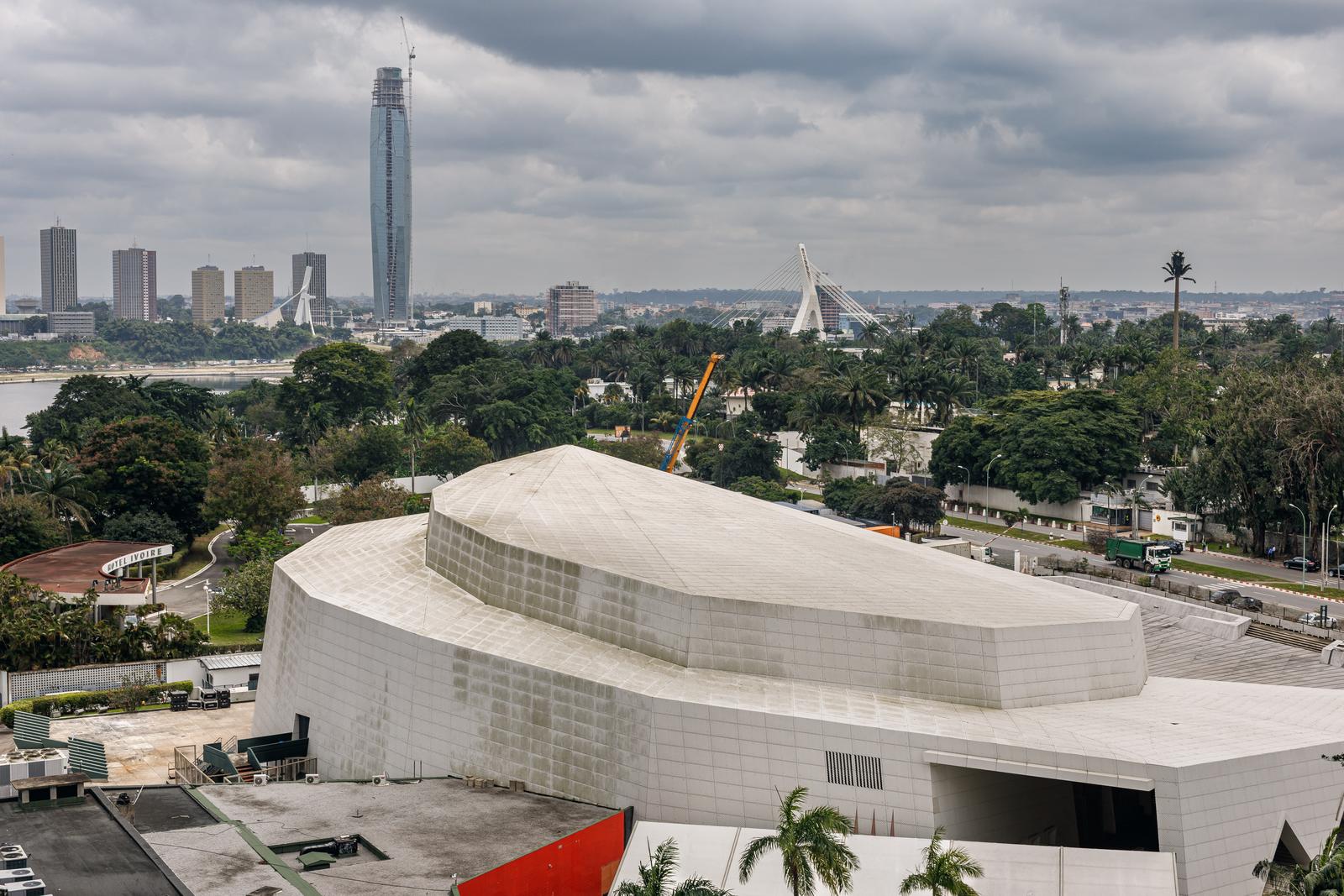
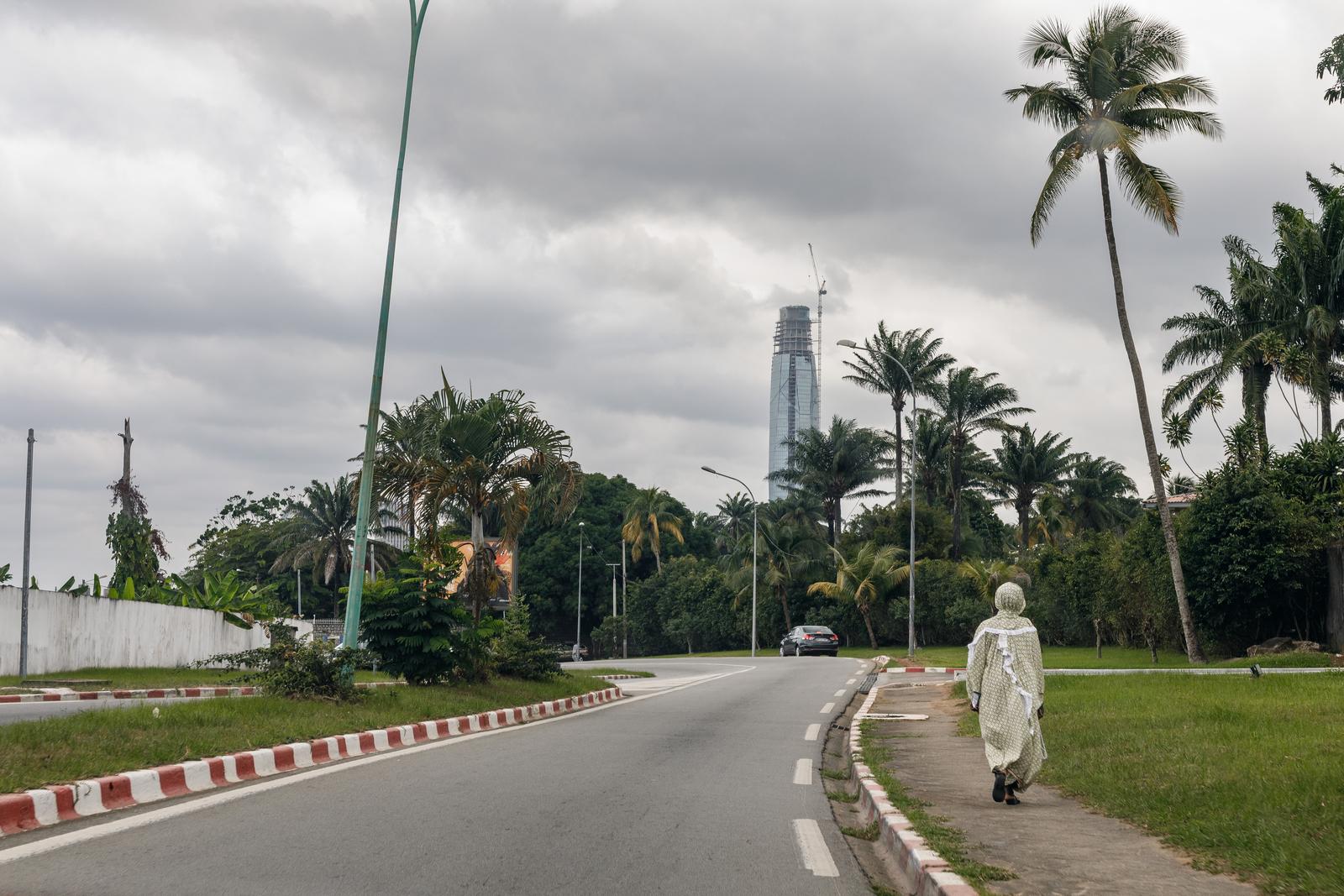
The languid eeriness of Bassam fades along the busy road to Abidjan, one of Africa’s most developed cities, where gleaming high-rises tower above a landscape of smooth new roads and green hills. Driven by a vibrant local economy, a thriving creative sector and a fast-growing tech scene home to multimillion-dollar firms, the city’s global ambitions are reflected in its evolving skyline — including Tour F, set to become Africa’s tallest skyscraper.
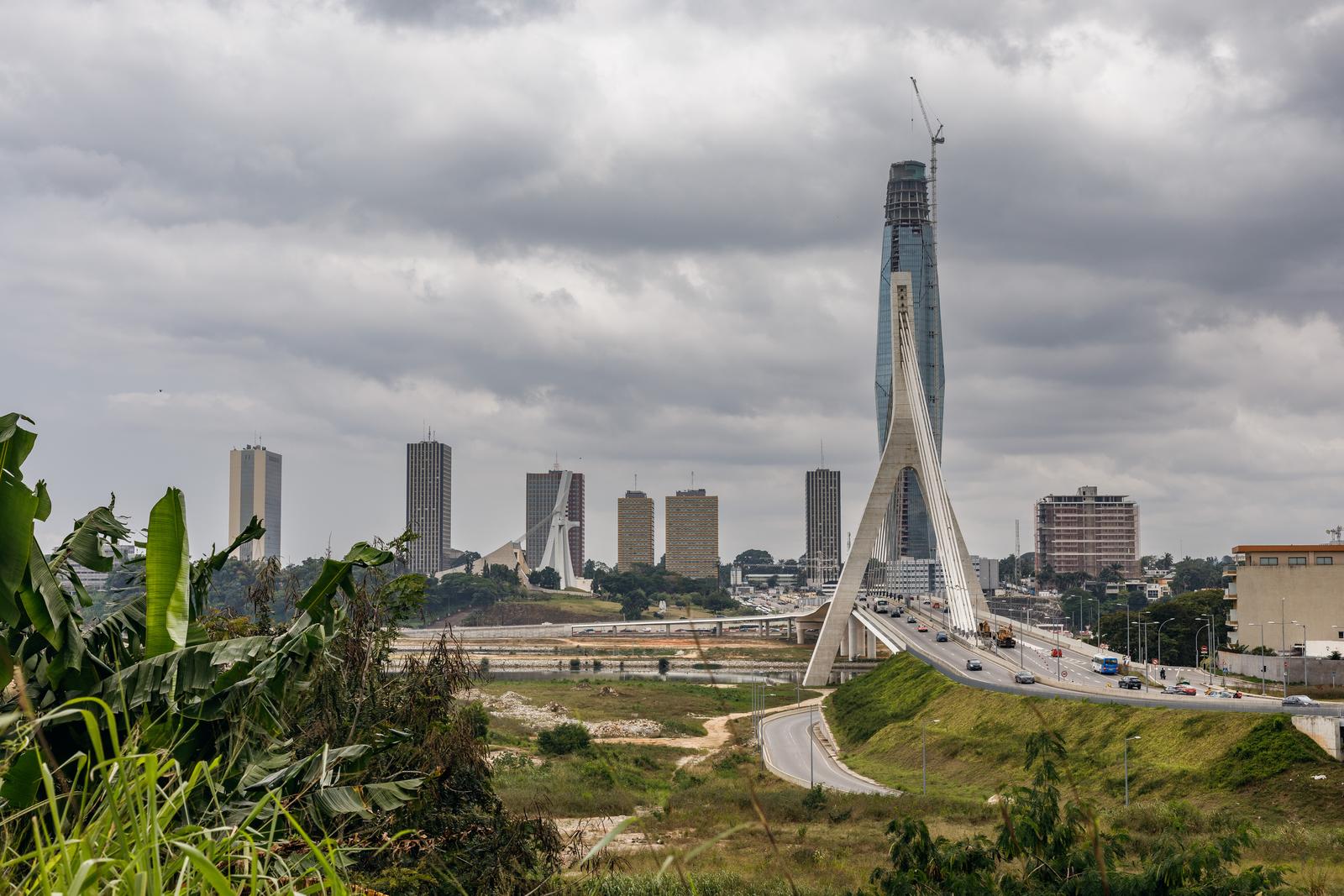
Almost 20 years after the end of a brutal civil war, Ivory Coast and its city of Abidjan have rapidly developed into a major economy on the continent. Much of this has been overseen by 84-year-old President Alassane Ouattara.
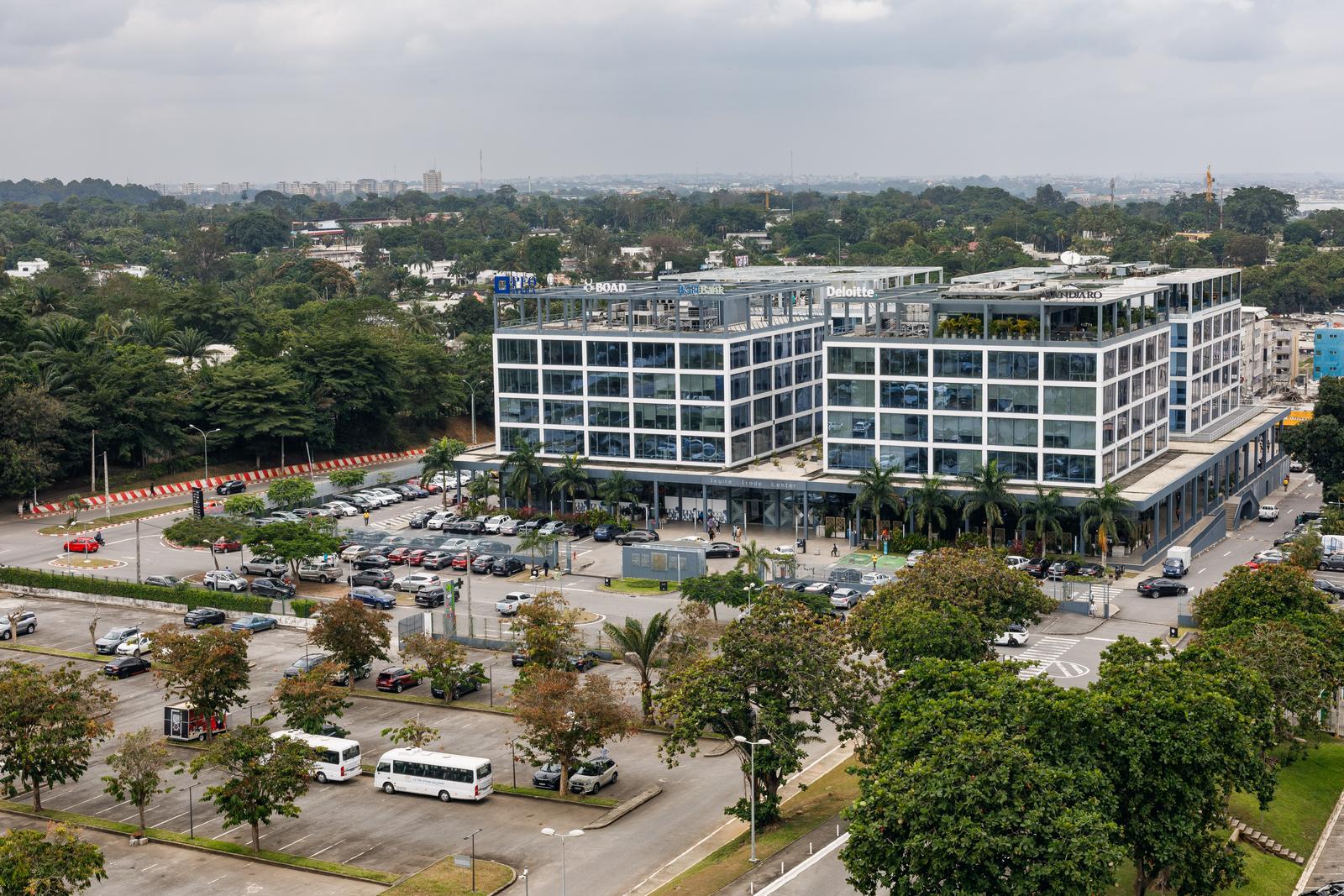
While credited with steering rapid redevelopment in the country, he is also criticized chiefly for extending his grip on power. Like many African leaders in recent years, he has controversially changed the constitution to remain in power for the last 16 years.
In every country between Nigeria and Ivory Coast — bar Ghana, where 67-year-old John Mahama’s election was widely considered credible — young people told NPR they were fed up with aging leaders with questionable legitimacy.
“You’ll find it hard to find young people who love how Ouattara is managing the country,” Sagna, the tour guide, says. “He’s done some good things, but he’s also overstayed. Our leaders never know when it’s time to go.”
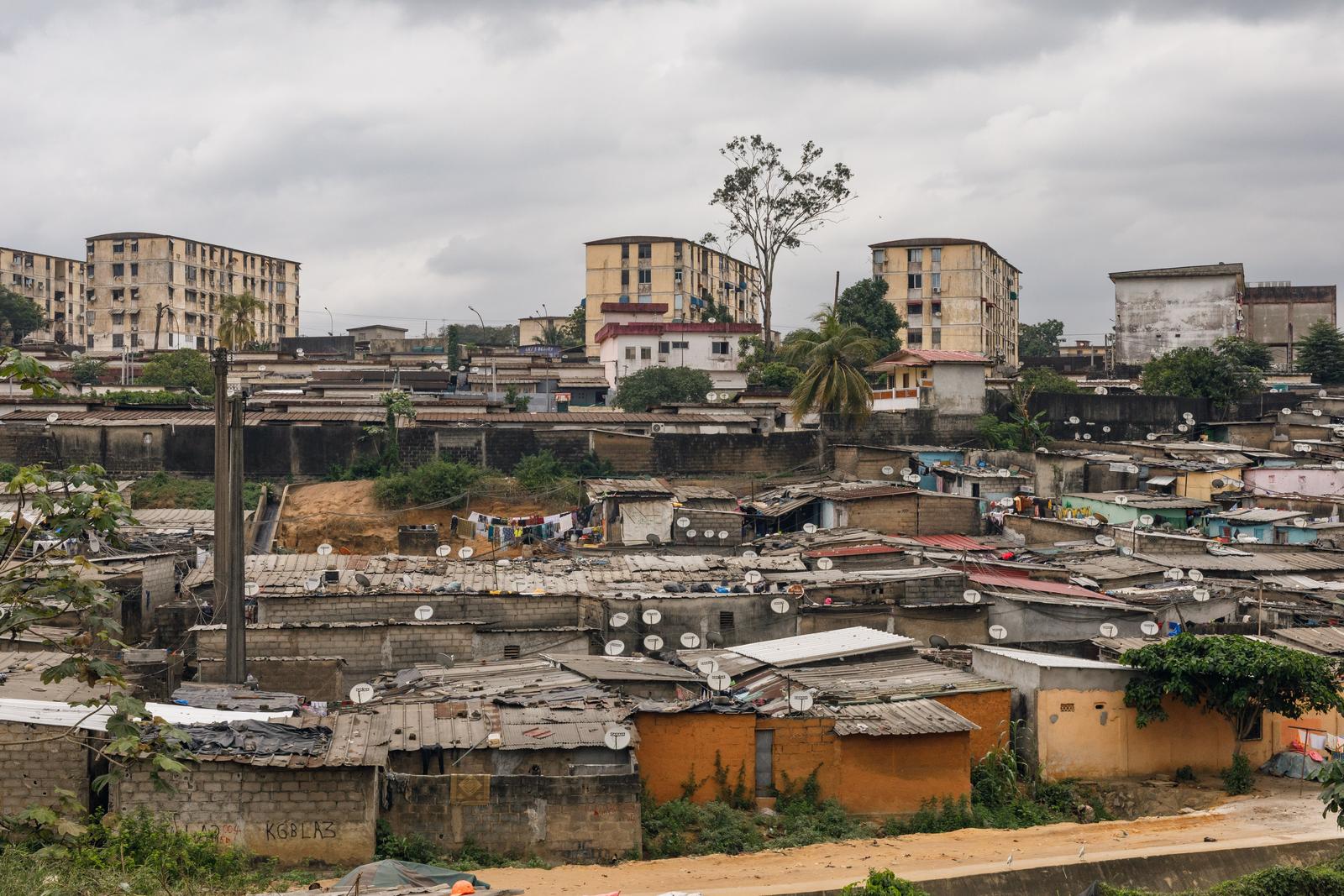
Ivory Coast has been one of the world’s fastest-growing economies for much of the last 15 years. Since 2015, the proportion of the country’s population living under the national poverty line of about $1.70 per day has fallen.
But levels of hardships faced across the country remain stubbornly high. More than a third remain in poverty. And despite having one of Africa’s lowest unemployment rates, a common retort is that few jobs are available for the country’s bulging and young population.
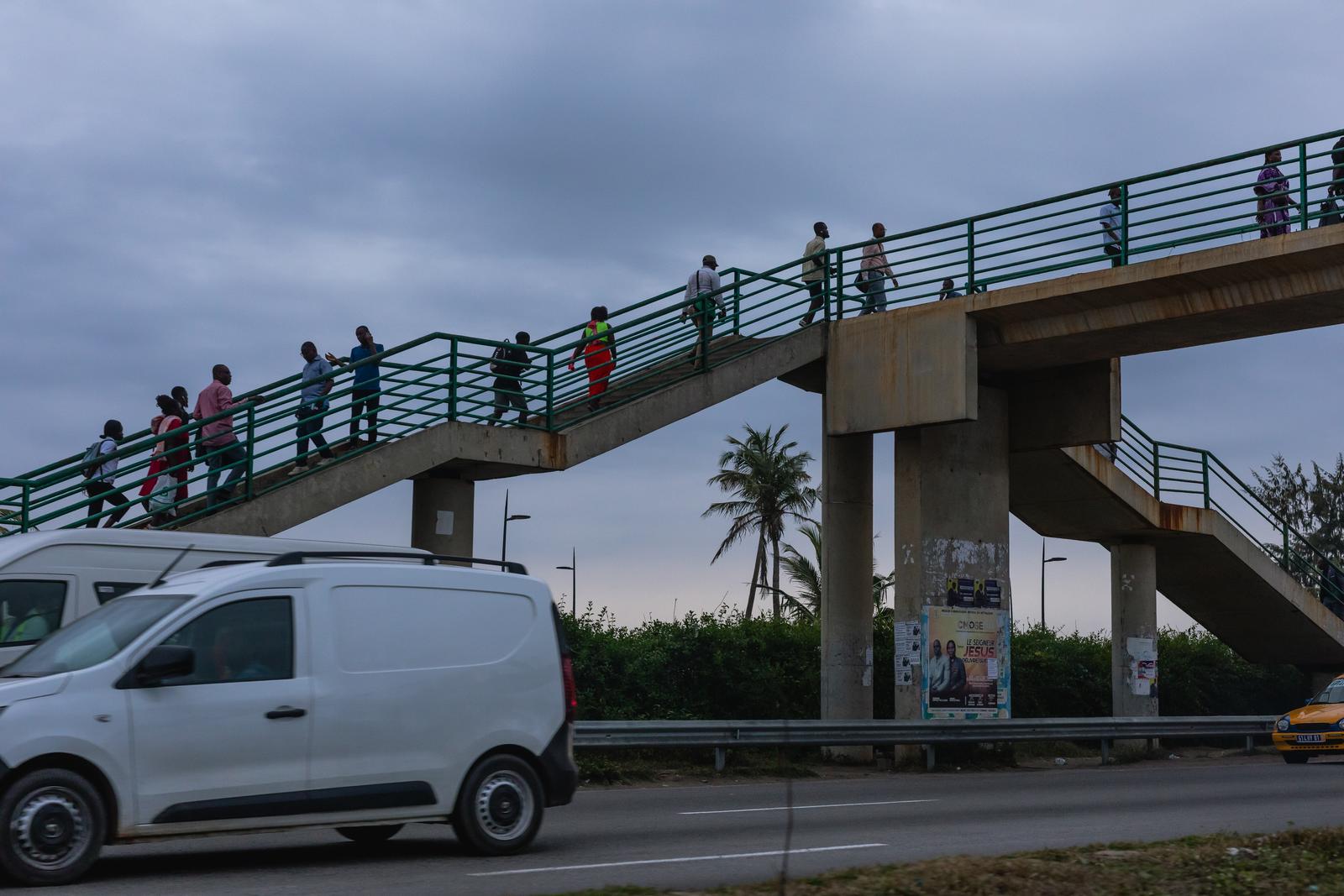
Migration in Africa is often characterized by the desperation of African migrants to reach the West and the sometimes deadly routes they risk to get there. But this doesn’t capture the full picture.
“Actually, what you see is that the vast majority, more than 80 to 85% of those migrating in West Africa, are doing so regionally, to towns and cities within their countries and on the continent,” says Hertzog, the social anthropologist at the University of Zurich. “And that shows a very different side to how people in the region are pursuing opportunities.”
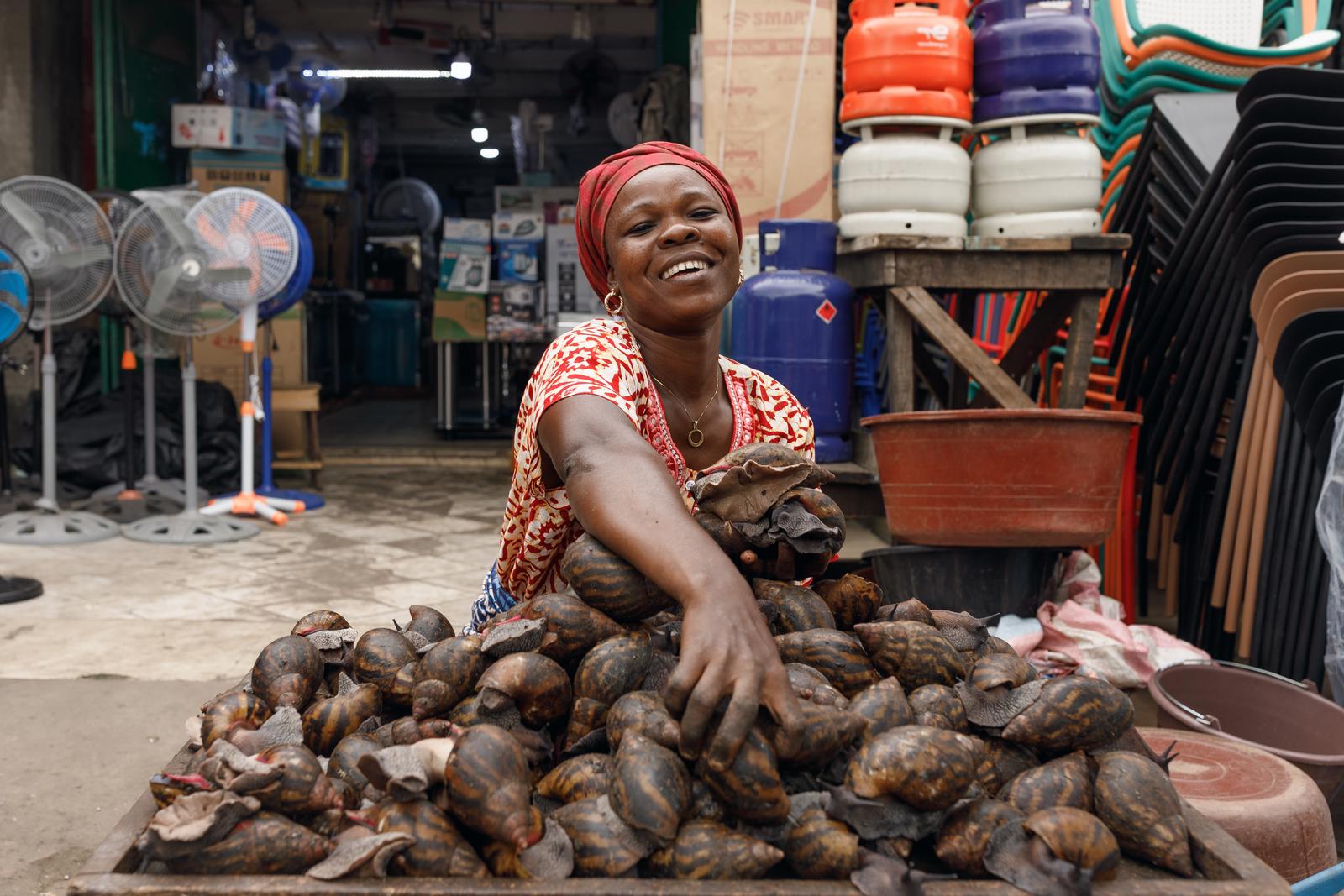
Tatianna Tralou, 46, imports large snails to sell in Adjamé Market. Her mother was a trader who moved here from neighboring Burkina Faso.
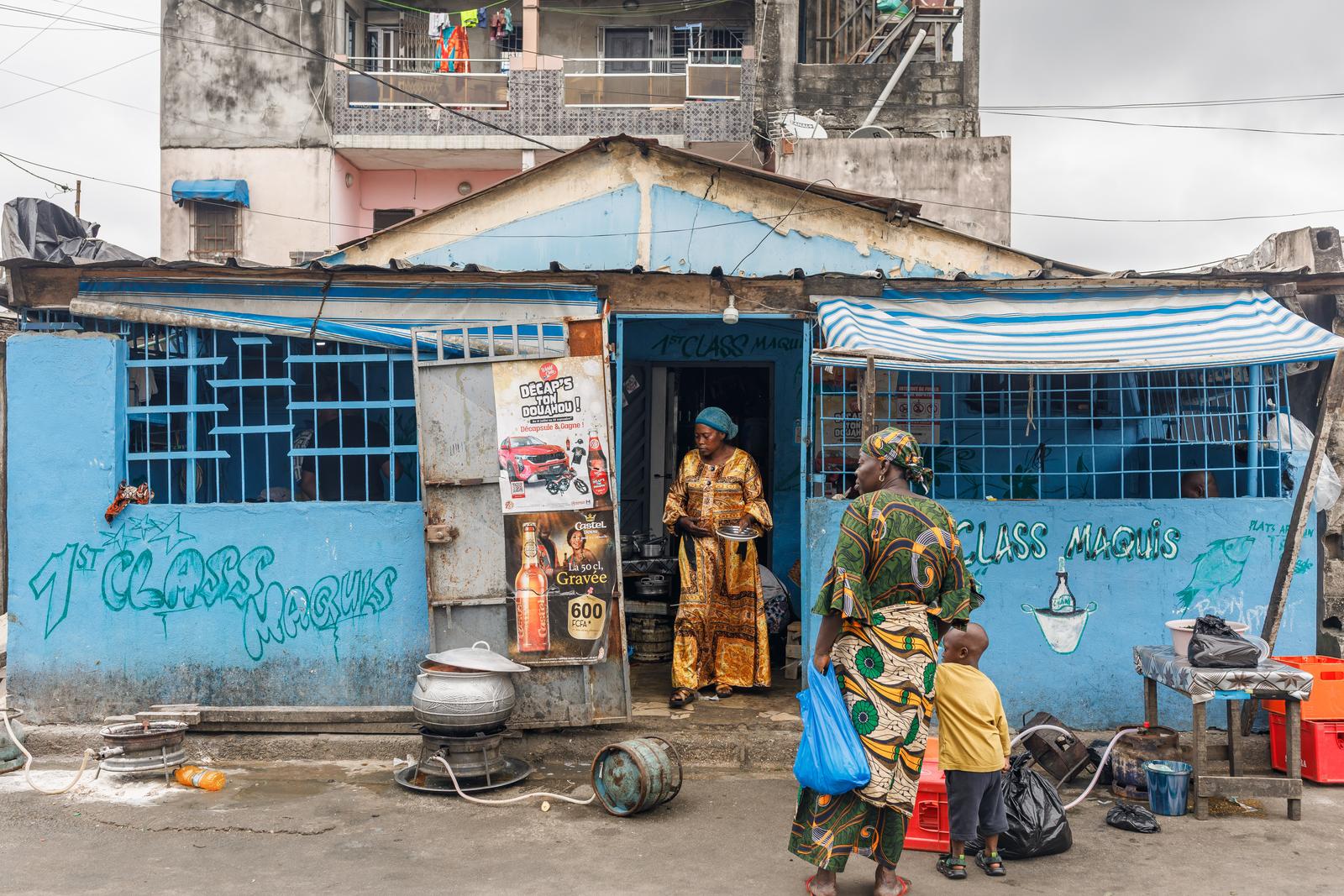
Others, like this restaurant owner, moved from southwest Nigeria 40 years ago. Her street food restaurant is known as a “maquis,” local restaurants that are popular across Ivory Coast and the region — known as “chop bars” in Ghana or a “buka” in Nigeria.
This maquis is at the heart of a long-established community of Nigerian and Beninese traders at the market.
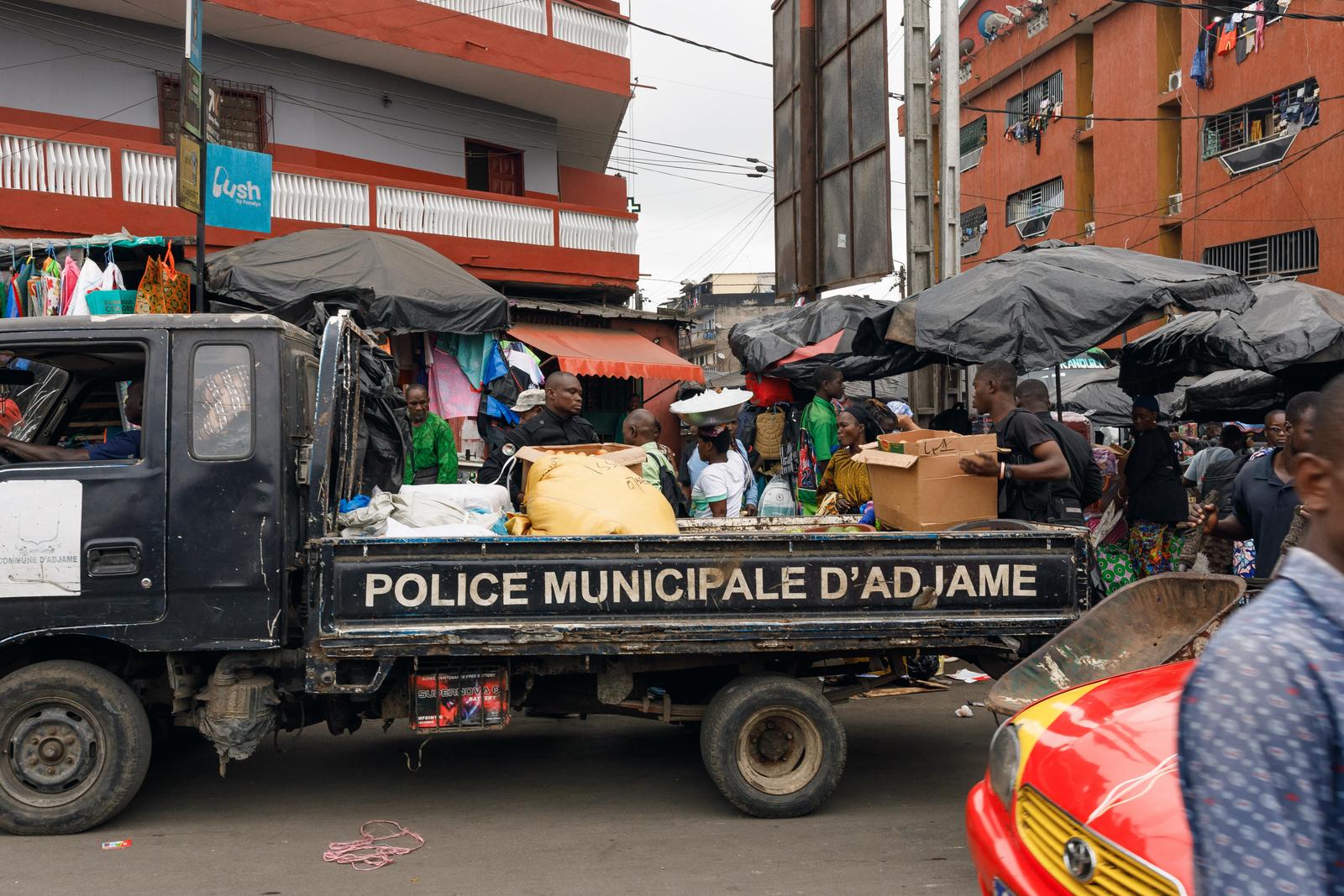
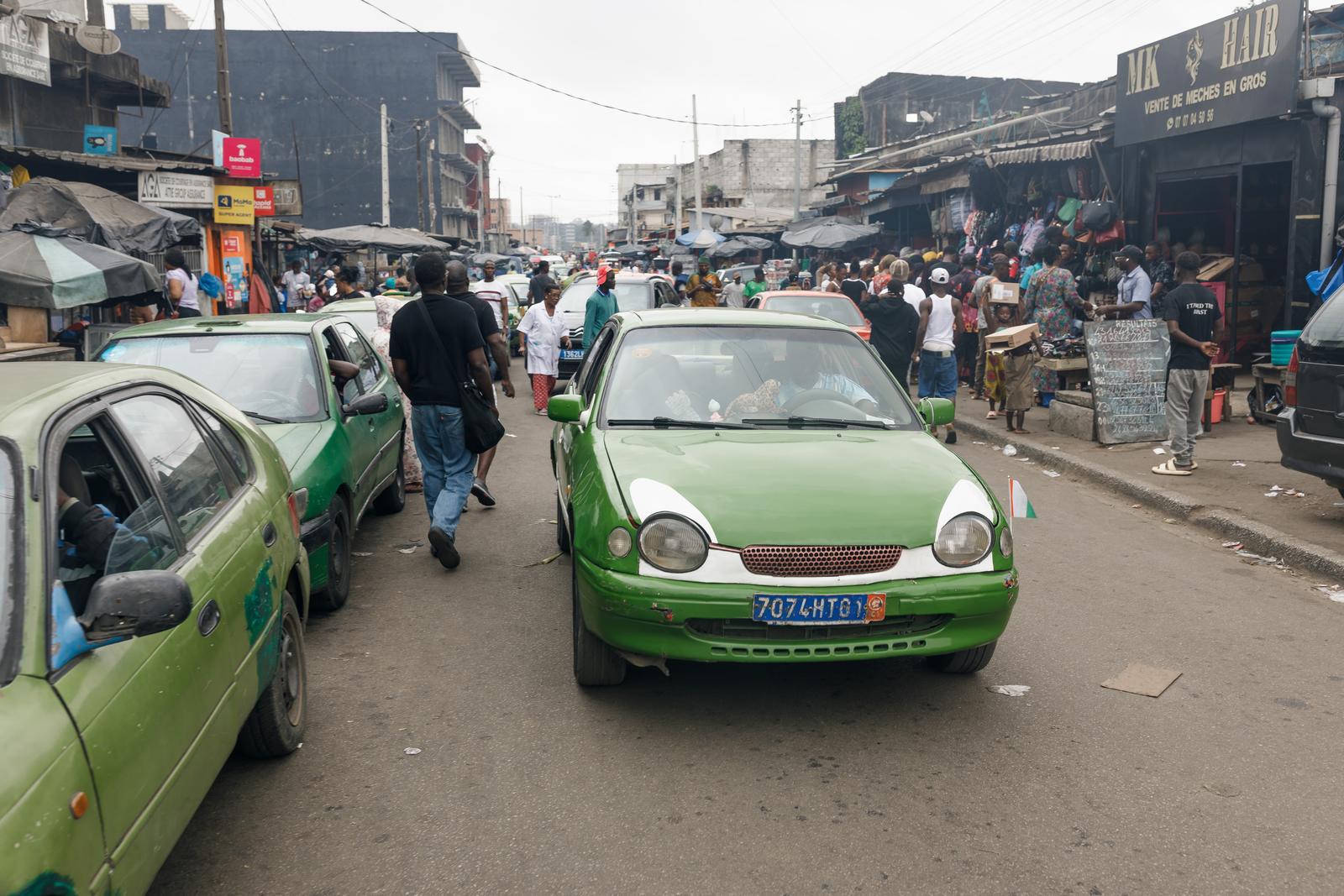
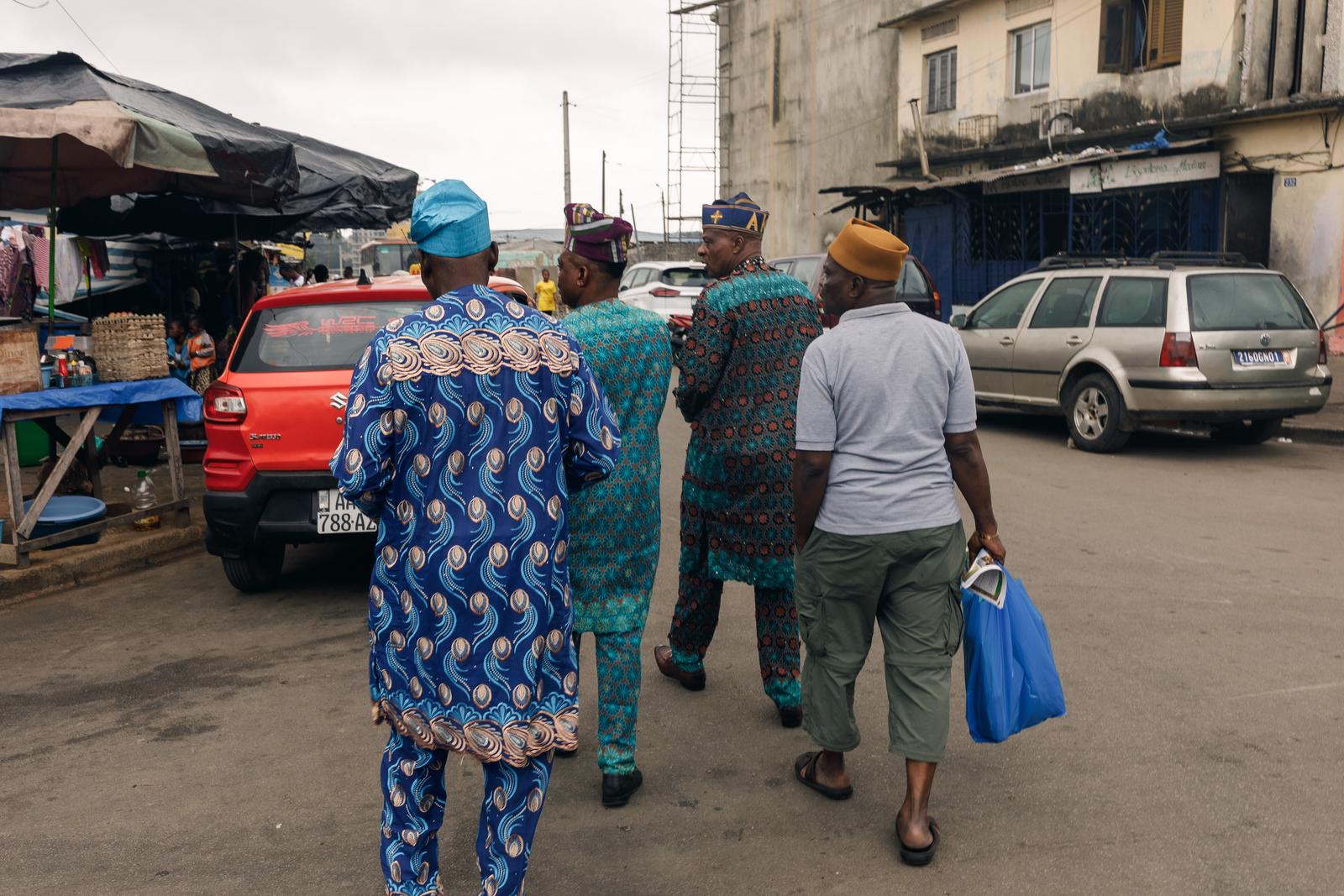
A restless search for scarce opportunities by millions of people is driving population growth in towns and cities along the Lagos-Abidjan corridor. But as the cities expand, so do the inequalities and challenges, says Hertzog, in Zurich.

“These cities aren’t delivering. Right along this corridor,” she says. “They’re not delivering in terms of infrastructure. They’re not delivering in terms of educational opportunities for a lot of families. They’re not delivering at times in terms of security, and so that promise of life improvement that comes with urbanization,” she says.
“People are finding solutions — they’re finding work-arounds,” Hertzog explains.
And that’s the story of this journey. Across the region are countless examples of people striving to bend tough and unyielding conditions to their favor.